Views: 0 Author: Site Editor Publish Time: 2026-03-26 Origin: Site


Did you know the global nonwoven fabric market will reach about USD 60 billion in 2025? Nonwoven making machines are crucial to this growth. They enable fast, efficient fabric production for healthcare, hygiene, and construction sectors. In this post, you’ll learn about market drivers, challenges, and the vital role of nonwoven making machines in 2025.
The global nonwoven fabric market in 2025 is poised for robust growth, with a market size estimated around USD 60 billion. This expansion is propelled by rising demand in healthcare, hygiene, automotive, and construction sectors. Nonwoven making machines play a pivotal role in this growth by enabling efficient, high-speed production of diverse fabric types. Advanced machines, especially those focusing on spunbond and meltblown technologies, are driving manufacturing scalability and product innovation, directly influencing market size and growth projections.
Technological segmentation reveals spunbond as the dominant process, accounting for over 50% of the market share in 2025. This method benefits from nonwoven making machines that integrate polymer extrusion with web formation, delivering strong, lightweight fabrics ideal for hygiene and medical applications. Meltblown technology, supported by specialized machines, is growing rapidly due to its superior filtration capabilities. Other techniques like needle punch and wet laid also contribute, supported by corresponding machinery tailored for specific fabric characteristics.
| Technology | Market Share (2025) | Machine Role |
|---|---|---|
| Spunbond | ~53% | Continuous filament extrusion & bonding |
| Meltblown | ~20% | Fine fiber production for filtration |
| Needle Punch | ~15% | Mechanical fiber entanglement |
| Wet Laid | ~12% | Fiber suspension and bonding |
Polypropylene (PP) remains the material of choice, holding approximately 60% market share due to its cost-efficiency, chemical resistance, and compatibility with high-speed nonwoven making machines. However, sustainability trends are driving growth in biodegradable polymers such as polylactic acid (PLA) and recycled fibers like rPET. Machines are increasingly adapted to process these eco-friendly materials, aligning production with regulatory pressures and consumer demand for greener products.
Healthcare and hygiene sectors dominate end-use demand, contributing nearly 50% of market revenue in 2025. Nonwoven making machines enable production of surgical gowns, masks, diapers, and wipes with precise quality and barrier properties. The surge in disposable hygiene products and medical PPE, especially post-pandemic, sustains high demand. Construction and automotive also show strong uptake, leveraging nonwoven fabrics for geotextiles and lightweight vehicle components.
Asia-Pacific leads globally, capturing close to 48% market share in 2025 and expected to grow at a CAGR of 7.5%. This growth is fueled by expanding manufacturing infrastructure in China, India, and Southeast Asia. Nonwoven making machine manufacturers benefit from regional investments, producing diverse fabric types to meet the rising hygiene and industrial needs. North America and Europe follow, with increasing reshoring and sustainability-driven innovations shaping their markets.
The market is fragmented with key players like Berry Global, Freudenberg, Ahlstrom, and Kimberly-Clark driving innovation. These companies invest heavily in advanced nonwoven making machines featuring AI and automation to improve efficiency and product quality. Strategic mergers and acquisitions, such as Berry’s merger with Glatfelter, enhance capabilities in specialty fabrics and sustainable materials.
Recent innovations include:
Integration of AI for real-time quality control and predictive maintenance.
Machines capable of processing biodegradable polymers and recycled feedstocks.
Enhanced energy efficiency reducing operational costs and environmental impact.
Customizable production lines allowing rapid shifts between product types.
These advancements enable manufacturers to meet complex specifications and sustainability goals, fostering market growth and diversification.
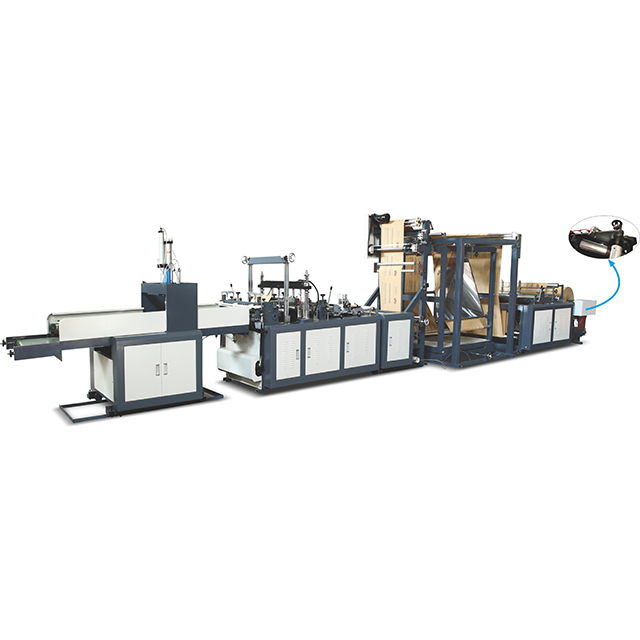
Nonwoven making machines have seen remarkable advancements, especially in spunbond and meltblown technologies. Spunbond machines now offer higher throughput and improved filament uniformity, enabling the production of stronger, lighter fabrics. These machines integrate polymer extrusion, filament drawing, web formation, and bonding into seamless processes, enhancing efficiency and fabric quality.
Meltblown machines have evolved to produce ultra-fine fibers with diameters below 10 microns, crucial for filtration applications. Innovations such as electret charging and nanoparticle doping have improved filtration efficiency, making meltblown fabrics indispensable in medical PPE and air filtration systems. Manufacturers are also developing multi-layer machines combining spunbond and meltblown layers (SMS or SMMS structures), optimizing fluid handling and barrier properties for hygiene and healthcare products.
Artificial intelligence (AI) and automation are transforming nonwoven making machines into smart manufacturing hubs. AI-driven quality control systems analyze fabric in real time, detecting defects like fiber clumps or thin spots instantly. This reduces waste and ensures consistent product quality.
Automation streamlines machine operations, allowing predictive maintenance through sensor data analytics. For example, vibration sensors on needle punch machines can forecast bearing wear, preventing unexpected downtime. Automated control systems also enable rapid adjustments to process parameters, facilitating quick shifts between different fabric types or weights, which aligns with the growing demand for customization.
Modern nonwoven making machines embrace customization to meet diverse market needs. Adjustable settings allow manufacturers to tailor fabric thickness, density, and bonding strength. This flexibility supports various applications—from soft, breathable hygiene topsheets to durable geotextiles.
Modular machine designs enable quick integration of additional production units, such as embossing or lamination stations. Digital interfaces allow operators to save and replicate production recipes, ensuring repeatability for specialized products. This capability is vital for sectors like medical textiles, where precise barrier properties and comfort are mandatory.
Energy efficiency has become a key focus in machine innovation. New nonwoven making machines employ closed-loop air recirculation and heat recovery systems, reducing energy consumption by up to 20%. Variable frequency drives optimize motor speeds, matching energy use with production demand.
Sustainability is further supported by machines adapted to process biodegradable polymers and recycled materials without compromising quality. For instance, machines now handle polylactic acid (PLA) and recycled PET (rPET) feedstocks, aligning production with circular economy goals. Reduced scrap rates and optimized fiber usage also contribute to lower environmental footprints.
The 2025 non woven fabric market is witnessing a sharp surge in disposable hygiene products, such as diapers, feminine care items, and adult incontinence pads. This trend is driven by rising global awareness of personal hygiene and demographic shifts, including increasing birth rates in Asia-Pacific and aging populations in North America and Europe. Nonwoven making machines are integral to meeting this demand, enabling large-scale, cost-effective production of lightweight, absorbent fabrics tailored for hygiene applications. Advanced machines using spunbond and meltblown technologies produce multi-layered fabrics with superior fluid handling and barrier properties, essential for disposable hygiene products. The ability to rapidly switch production lines to different fabric specifications further supports manufacturers in responding to evolving consumer needs and regulatory requirements.
Medical PPE demand remains strong post-pandemic, bolstering nonwoven fabric growth. Surgical masks, gowns, drapes, and wound dressings rely heavily on nonwoven materials for microbial barrier protection and comfort. Nonwoven making machines equipped with precise process controls ensure consistent quality and compliance with stringent health standards. Meltblown machines, in particular, produce ultra-fine fibers critical for filtration efficiency in respirators and masks. Additionally, innovations in electrospinning enable production of advanced wound care substrates with antimicrobial properties, enhancing healing outcomes. Healthcare providers’ focus on infection control and patient safety continues to drive demand, positioning nonwoven fabrics as indispensable in medical textiles.
Global infrastructure investments are fueling demand for nonwoven geotextiles, especially in Asia-Pacific. Roads, railways, landfills, and coastal defenses increasingly incorporate needle-punched nonwoven fabrics for soil stabilization, drainage, and protection. Nonwoven making machines produce durable, permeable geotextiles that outperform woven alternatives in filtration and puncture resistance. The infrastructure boom aligns with climate resilience goals, pushing demand for sustainable, high-performance nonwovens. Manufacturers benefit from machine advancements that allow production of thicker, multi-layered geotextiles customized for specific civil engineering needs. This sector’s growth contributes significantly to the overall nonwoven fabric market expansion forecast for 2025.
Nonwoven making machines offer notable cost benefits compared to traditional weaving or knitting processes. By directly converting polymer pellets into bonded webs, spunbond and meltblown lines eliminate multiple labor-intensive steps, reducing energy use and labor costs. Continuous production capabilities enable high throughput and low scrap rates, improving operational efficiency. These machines also support rapid product changeovers, minimizing downtime and inventory costs. The ability to process recycled and biodegradable polymers further enhances cost-effectiveness amid rising raw material prices.
For manufacturers, investing in advanced nonwoven making machines is a strategic move to maintain competitive pricing and meet growing market demand efficiently.
One of the key challenges in the 2025 nonwoven fabric market is the volatility of raw material prices, particularly polypropylene (PP) and polyethylene terephthalate (PET). Supply disruptions and fluctuating crude oil prices cause sudden spikes in polymer costs. For manufacturers using nonwoven making machines, this translates into higher production expenses. Since PP accounts for around 60% of nonwoven fabric materials, its price instability significantly affects overall manufacturing costs. Converters often face compressed margins when locked into fixed-price contracts with end-users. To mitigate this, some are exploring resin hedging strategies or switching to recycled materials, though these alternatives require machine adaptations and quality controls to maintain product consistency.
Regulatory scrutiny is intensifying worldwide, especially in Europe and North America, targeting plastic-based nonwoven products due to environmental concerns like microplastic pollution. Laws restricting single-use plastics and microplastic emissions compel manufacturers to rethink materials and processes. Nonwoven making machines must adapt to process biodegradable polymers such as polylactic acid (PLA) or recycled fibers like rPET. These materials often have different melting points and flow characteristics, demanding machine recalibrations or upgrades. Compliance with regulations such as the EU’s REACH and the UK’s ban on plastic wipes adds complexity and cost. Manufacturers must balance regulatory adherence with maintaining production efficiency and product performance.
Despite advances, nonwoven fabrics still face inherent technical limitations relative to woven textiles. They generally offer lower tensile strength, tear resistance, and durability. For applications requiring high mechanical performance, woven or knitted fabrics remain preferred. This restricts nonwoven fabric demand in certain industrial sectors. Nonwoven making machines can only partially overcome these limitations through layering or bonding techniques, which may increase costs or reduce fabric softness. As a result, nonwoven producers must innovate continuously to enhance fabric properties without compromising cost-effectiveness, a challenge that impacts market growth and product diversification.
The adoption of cutting-edge nonwoven making machines, especially those with AI integration, automation, and biodegradable material compatibility, requires substantial capital investment. Small and medium-sized manufacturers often face barriers due to high upfront costs and uncertain return on investment. Additionally, the rapid pace of technological innovation can render existing equipment obsolete quickly. This hesitancy slows the overall upgrade cycle in the industry, limiting production efficiency gains and responsiveness to evolving market demands. Financing options, government incentives, or partnerships may ease these barriers, but the investment challenge remains a significant restraint in the 2025 nonwoven fabric market landscape.
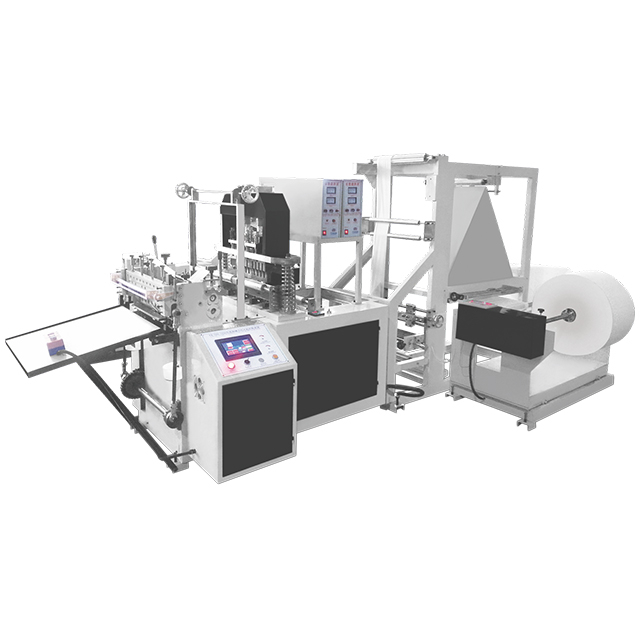
In 2025, the nonwoven fabric market is increasingly embracing sustainability as a core driver. Biodegradable polymers like polylactic acid (PLA) and polyhydroxyalkanoates (PHA) are no longer niche materials but mainstream options for eco-conscious manufacturers. These biopolymers break down naturally, reducing environmental impact compared to traditional polypropylene or polyester. Alongside this, recycled materials such as recycled polyethylene terephthalate (rPET) are gaining traction. They allow producers to close the loop by converting post-consumer plastics into high-quality nonwoven fabrics. Nonwoven making machines are evolving to handle these diverse feedstocks, requiring precise temperature controls and adaptable extrusion systems to maintain fabric quality. This shift aligns with global regulatory pressures and consumer demand for greener products, especially in hygiene and packaging sectors.
Modern nonwoven making machines incorporate features that support circular economy principles. These include enhanced compatibility with recycled and biodegradable fibers, reducing contamination risks and improving processing stability. Some machines now integrate advanced filtration and purification systems to minimize waste during production. Energy-efficient designs reduce carbon footprints, employing heat recovery and closed-loop air systems. Furthermore, modular machine architectures enable quick changeovers between sustainable and conventional materials, facilitating flexible production runs. These innovations empower manufacturers to meet sustainability targets without sacrificing throughput or product performance, fostering growth in eco-friendly nonwoven fabric production.
Compliance with evolving environmental regulations shapes nonwoven making machine development. European Union directives, such as the Circular Economy Action Plan and REACH, require strict control over raw material sourcing and chemical content. Machines must support traceability and quality assurance to meet certifications like Global Recycled Standard (GRS) and TÜV AUSTRIA biodegradability labels. This drives demand for integrated data management and real-time monitoring capabilities within equipment. Manufacturers investing in certified sustainable production lines gain competitive advantages, opening access to markets with stringent eco-label requirements. As regulations tighten globally, machine suppliers are prioritizing designs that facilitate compliance and transparency.
The 2025 nonwoven fabric market offers significant opportunities for sustainable production. Rising consumer awareness and retailer sustainability scorecards push brands to source biodegradable and recycled-content nonwovens. Applications in disposable hygiene, medical PPE, packaging, and geotextiles are particularly receptive. Companies adopting eco-friendly nonwoven making machines can capitalize on premium pricing and expanded market access. Moreover, sustainability initiatives often attract government incentives and funding, offsetting investment costs. As the global outlook favors circular materials, manufacturers with adaptable, green-capable machinery position themselves for long-term growth and resilience amid shifting market dynamics.
Asia-Pacific commands nearly half of the global nonwoven fabric market share in 2025, making it the largest and fastest-growing region. Countries like China, India, Indonesia, and Vietnam are expanding manufacturing infrastructure rapidly. This growth is driven by rising hygiene and healthcare demands, supported by government initiatives and increasing disposable incomes. Nonwoven making machines in this region benefit from integrated supply chains—from polymer production to fabric conversion—enabling cost-effective, high-volume output. Manufacturers are investing in advanced spunbond and meltblown machines to meet diverse application needs, including diapers, masks, and geotextiles. The region’s competitive labor costs and growing technical expertise further enhance its appeal as a manufacturing hub.
North America is witnessing a strategic reshoring of critical nonwoven fabric production, especially for medical PPE and battery separators. The U.S. government’s focus on supply chain resilience encourages investments in automated, AI-enabled nonwoven making machines. Companies like Kimberly-Clark are expanding capacity with state-of-the-art facilities in Ohio and South Carolina. This region emphasizes sustainability and regulatory compliance, pushing machine innovations that process biodegradable polymers and recycled materials. High labor costs are offset by advanced manufacturing technologies that improve efficiency and reduce downtime. The shift towards “just-in-case” inventory management also supports stable supply and responsiveness to market fluctuations.
Europe’s nonwoven fabric market is shaped strongly by stringent environmental regulations such as REACH and the EU Circular Economy Action Plan. Manufacturers prioritize eco-friendly materials, including lyocell and biodegradable polymers, driving demand for versatile nonwoven making machines capable of processing these inputs. The region leads in sustainability certifications like the Global Recycled Standard (GRS). European producers focus on closed-loop recycling and energy-efficient machinery to meet regulatory and consumer expectations. Countries like Germany, the UK, and France invest heavily in R&D and green manufacturing, positioning Europe as a leader in sustainable nonwoven fabric production and innovation.
Emerging markets in Latin America, the Middle East, and Africa are expanding their nonwoven fabric industries steadily. Brazil and Mexico are growing hubs for hygiene and medical nonwovens, supported by rising healthcare infrastructure and hygiene awareness. The Middle East invests in construction and automotive sectors, increasing demand for spunbond and needle punch fabrics. Africa’s market growth is driven by sanitation improvements and infrastructure projects. However, these regions face challenges such as limited recycling infrastructure and regulatory frameworks. Strategic partnerships and technology transfers from established markets are key to unlocking their potential.
China: Dominates with large-scale production capacity, strong government support, and a vast domestic hygiene market. Entry strategies include joint ventures and compliance with local standards.
India: Rapid urbanization and manufacturing modernization fuel demand. Foreign companies often partner with local firms to navigate regulatory landscapes.
United States: Focus on advanced manufacturing and supply chain resilience. Market entry requires adherence to strict quality and environmental standards.
Germany: Strong in technical textiles and sustainability innovation. Emphasis on certifications and green production methods is essential for market access.
Brazil: Growing healthcare sector and hygiene demand. Local production and import substitution are strategic priorities.
The future of nonwoven making machines is bright, driven by emerging technologies like electrospinning. This technique produces ultrafine nanofibers with diameters ranging from 20 to 200 nanometers, far thinner than traditional fibers. Nanofiber nonwovens offer exceptional filtration, breathability, and surface area, making them ideal for high-value applications such as medical wound dressings, air and water filtration, and battery separators. Electrospinning machines are evolving to increase throughput and reduce costs, opening premium niches in the global nonwoven fabric market. Their ability to create customized fiber morphologies allows manufacturers to tailor products precisely to end-use demands, enhancing functionality and market appeal.
Digital transformation is reshaping nonwoven making machines through Industry 4.0 technologies. Smart machines equipped with sensors and IoT connectivity enable real-time monitoring of production parameters. AI-driven analytics optimize process control, predict maintenance needs, and minimize defects. This leads to higher product consistency, less waste, and improved operational efficiency. Digital twins—virtual replicas of production lines—allow simulation and rapid troubleshooting, reducing downtime. These technologies support flexible manufacturing, enabling rapid shifts between product types to meet diverse market demands. Embracing digitalization is essential for manufacturers aiming to compete in the 2025 nonwoven fabric market, where quality and agility are critical.
Customization is a key trend in nonwoven fabric production. Modern nonwoven making machines offer modular designs and digital interfaces that enable quick adjustments to fabric weight, thickness, and bonding techniques. This flexibility supports rapid prototyping and small batch runs, helping manufacturers respond swiftly to evolving client specifications. For example, hygiene and medical sectors often require specific barrier properties and softness, which can be achieved through machine parameter tweaks. Rapid prototyping accelerates product development cycles, reducing time-to-market and fostering innovation. This capability is a significant market opportunity, as demand grows for specialized nonwoven fabrics tailored to niche applications.
Investment in advanced nonwoven making machines is increasing, driven by the need for higher efficiency and sustainability. Manufacturers and equipment suppliers are securing funding to develop machines compatible with biodegradable polymers and recycled materials. Venture capital and strategic partnerships fuel R&D in AI integration, energy-saving technologies, and nanofiber production. Governments in key regions are also providing incentives for green manufacturing technologies. These investments are essential to overcome challenges such as raw material variability and regulatory compliance. Companies that prioritize funding for machine innovation position themselves to capture a larger share of the expanding 2025 nonwoven fabric market.
Collaborations between machine manufacturers, material suppliers, and end-users are becoming more common. Such partnerships accelerate the development of customized solutions that address complex performance and sustainability requirements. For instance, alliances between nonwoven making machine producers and biopolymer developers facilitate the integration of eco-friendly materials into existing production lines. Strategic partnerships also enable knowledge sharing on digitalization and AI applications, enhancing machine capabilities. These cooperative efforts reduce time-to-market for innovative products and strengthen competitive positioning. In a rapidly evolving market, collaboration is a powerful tool to unlock new opportunities and drive growth.
Nonwoven making machines are crucial for efficiency, customization, and eco-friendly production. Stakeholders should invest in AI-enabled, energy-saving equipment to stay competitive. Preparing for future technologies like electrospinning and Industry 4.0 integration is essential.Huabo's innovative nonwoven making machines deliver these advantages, supporting manufacturers in navigating evolving market demands with reliability and precision.
A: Nonwoven making machines are central to the 2025 non woven fabric market growth by enabling high-speed, efficient production of diverse fabrics. They support advanced technologies like spunbond and meltblown, which drive market size and innovation, meeting rising demand in healthcare, hygiene, and construction sectors.
A: These machines enhance production scalability and product quality, directly influencing the nonwoven fabric market forecast. Their ability to process biodegradable and recycled materials aligns with sustainability trends, fostering market opportunities and growth in 2025.
A: Selecting adaptable nonwoven making machines is crucial to handle raw material volatility and regulatory pressures. Machines capable of processing diverse polymers like PLA and rPET help manufacturers comply with environmental standards while maintaining efficiency.
A: AI integration enables real-time quality control and predictive maintenance in nonwoven making machines, reducing defects and downtime. This improves product consistency and operational efficiency, supporting competitive advantages in the growing 2025 market.
A: Modern nonwoven making machines are designed to process biodegradable and recycled polymers efficiently. They incorporate energy-saving features and modular designs that facilitate sustainable production, aligning with global regulatory demands and consumer preferences.