Views: 0 Author: Site Editor Publish Time: 2026-03-26 Origin: Site


Did you know the right flexographic ink can make or break your print quality? Flexo printing machines rely heavily on ink choice. Choosing the wrong ink causes costly defects and delays. In this post, you’ll learn about flexo printing technology, ink types, and how to pick the best ink for your needs.
Choosing flexographic inks involves understanding their basic composition and how it affects print quality. Flexographic ink formulation typically includes resins, pigments, solvents, and additives. Resins act as binders, ensuring the ink adheres well and remains flexible. Pigments provide the color intensity and opacity necessary for vibrant prints. Solvents control the ink’s viscosity and drying speed, crucial for maintaining smooth ink flow in your flexo printing machine. Additives enhance specific properties like UV resistance or adhesion to challenging substrates.
The balance of these components influences the ink’s performance on different materials. For example, too much solvent can cause ink to dry too fast, leading to poor adhesion or smearing. Conversely, insufficient solvent may result in thick ink that clogs the printing plates. Understanding these flexographic ink properties helps you select the best ink for your printing needs.
There are four main flexographic ink types, each with distinct advantages:
Water-Based Inks: These inks are environmentally friendly, with low VOC emissions. They work best on porous substrates like paper and cardboard. Their drying depends on water evaporation, so proper drying systems are essential. They emit low odors, improving worker safety.
Solvent-Based Inks: Known for fast drying and excellent adhesion on non-porous materials like plastic films. They are ideal for high-speed production but require good ventilation due to higher VOC emissions.
Energy-Curable Inks (UV and Electron Beam): These cure instantly under UV light or electron beams, offering superior print quality and durability. They are great for packaging requiring sharp, glossy finishes and fast turnaround.
Oil-Based Inks: Traditionally used for newsprint and high-volume jobs. They provide good pigment dispersion but are less common today due to environmental concerns.
Selecting the right ink depends heavily on substrate compatibility. Porous materials such as paper and cardboard absorb water-based inks well, making them a popular choice for packaging. For flexible plastic films and foils, solvent-based or energy-curable inks offer better adhesion and durability.
Using incompatible ink can cause defects like poor adhesion, ink bleeding, or uneven color. Always test inks on your specific substrate before full-scale production to ensure compatibility.
Print quality varies with ink type. Energy-curable inks provide high gloss and sharp images, ideal for premium packaging. Water-based inks deliver good color consistency for everyday applications. Solvent-based inks balance durability and vibrant colors for flexible packaging.
Consider your project’s color accuracy, gloss, and durability needs when choosing the best flexographic inks for printing.
Production efficiency is key in flexo printing machines. Fast-drying inks like solvent-based and energy-curable types support high-speed runs without sacrificing quality. Water-based inks may require longer drying times, potentially slowing production.
Choose inks that align with your machine’s capabilities and production demands to minimize downtime.
Environmental impact and worker safety are critical in ink selection. Water-based and energy-curable inks reduce VOC emissions and odors, making them safer and more eco-friendly. Solvent-based inks, while effective, need proper ventilation and handling to comply with regulations.
For food packaging, ensure inks meet strict safety standards to prevent contamination.
While some inks may have higher upfront costs, consider their long-term benefits. Energy-curable inks reduce waste and speed up production, saving money over time. Water-based inks may lower environmental compliance costs. Solvent inks often require more maintenance and safety measures.
Evaluate total cost of ownership, including ink price, waste, machine compatibility, and regulatory compliance, to choose the most cost-effective option.
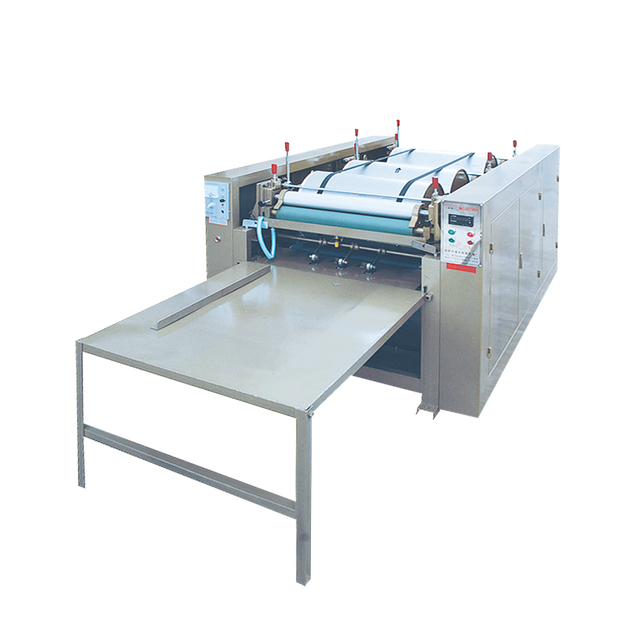
When working with a flexo printing machine, understanding how flexographic inks interact with various substrates is key to achieving excellent print quality. Ink compatibility and substrate characteristics directly influence adhesion, durability, and overall appearance. Let’s explore the critical factors that affect ink-substrate performance.
Surface tension plays a vital role in how well flexographic inks adhere to different materials. Each substrate has a unique surface energy level, which determines how ink spreads and bonds. For example:
High surface energy substrates like paper and cardboard allow water-based inks to wet the surface effectively, promoting strong adhesion.
Low surface energy substrates such as polyethylene or polypropylene films require inks with specialized formulations, often solvent-based or energy-curable, to ensure proper adhesion.
Matching the ink’s surface tension to the substrate’s surface energy helps prevent issues like ink beading or poor coverage. Additives in ink formulation can adjust surface tension to improve wetting and bonding.
Porous substrates, including paper and cardboard, absorb ink differently than non-porous materials like plastics or foils:
Porous substrates absorb water-based inks readily, which leads to faster drying but may cause ink spread or dot gain if not controlled properly.
Non-porous substrates do not absorb ink; instead, the ink sits on the surface and must dry through solvent evaporation or curing. Solvent-based and energy-curable inks are preferred here due to their strong adhesion and quick drying.
Understanding these absorption differences guides ink selection. For instance, water-based inks excel on porous packaging, while solvent or UV inks suit flexible plastic films.
Food packaging demands stringent safety and regulatory compliance. Flexographic inks used must:
Be free from harmful substances that could migrate into food.
Comply with FDA or EU food contact regulations.
Offer good adhesion to common food packaging substrates like coated papers, films, and foils without compromising safety.
Water-based and energy-curable inks are often favored for food packaging due to their low VOC content and minimal chemical migration risks. Proper ink-substrate matching ensures both print quality and consumer safety.
Incorrect ink and substrate combinations can cause defects such as:
Poor adhesion: Ink peeling or flaking due to insufficient bonding.
Ink bleeding: Colors spreading beyond intended boundaries, reducing sharpness.
Mottle and uneven coverage: Resulting from ink pooling or uneven absorption.
Smudging or slow drying: Leading to production delays and quality loss.
To avoid these, always test ink on the actual substrate before full production. Adjust ink formulation or select a different ink type if defects appear. Proper matching enhances print durability and reduces waste.
Ink viscosity is a crucial flexographic ink property that directly impacts your flexo printing machine’s performance. Viscosity refers to the thickness or flow resistance of the ink. If the ink is too thick, it can clog the anilox roller or printing plates, causing uneven ink transfer and poor print quality. Conversely, ink that is too thin may spread excessively, leading to blurred images and color bleeding.
Maintaining the right viscosity ensures smooth ink flow and sharp, consistent prints. It also reduces wear on machine components and prevents downtime from cleaning or maintenance. Regularly monitoring viscosity during production and adjusting it with solvents or additives helps maintain optimal machine operation and print quality.
Drying speed is another key factor when selecting flexographic inks. Fast-drying inks allow your flexo printing machine to run at higher speeds without smudging or set-off issues. Energy-curable inks like UV and electron beam cure almost instantly, enabling rapid production cycles. Solvent-based inks also dry quickly due to solvent evaporation, supporting high-speed runs.
Water-based inks typically have slower drying times, which may require additional drying equipment or slower press speeds. Choosing inks with drying speeds compatible with your machine’s capabilities and production goals can significantly improve throughput and reduce bottlenecks.
High-speed flexo printing demands inks that maintain consistent viscosity, color strength, and adhesion throughout long runs. Variations can cause color shifts, streaks, or incomplete coverage. Formulated flexographic inks designed for stability under heat and shear stress help ensure uniform print quality.
Inks with balanced flexographic ink formulation resist settling or separation, reducing the need for frequent mixing. This consistency minimizes waste, downtime, and reprints, enhancing overall production efficiency.
Proper ink flow management is essential for smooth flexo printing machine operation. Inks must flow evenly from reservoirs to the anilox rollers without air bubbles or interruptions. Inks with appropriate rheological properties prevent clogging and ensure uniform distribution.
Using inks compatible with your machine’s ink delivery system simplifies flow control. Regular cleaning and maintenance, combined with inks that resist drying in nozzles or tubes, reduce downtime and maintenance costs.
Modern flexo printing machines often feature advanced components like digital controls, automatic viscosity monitoring, and sophisticated drying systems. Selecting flexographic inks compatible with these technologies maximizes machine capabilities.
For example, energy-curable inks work well with UV curing units integrated into modern machines, while water-based inks require drying tunnels. Compatibility ensures that inks respond correctly to machine settings, delivering optimal print quality and efficiency.
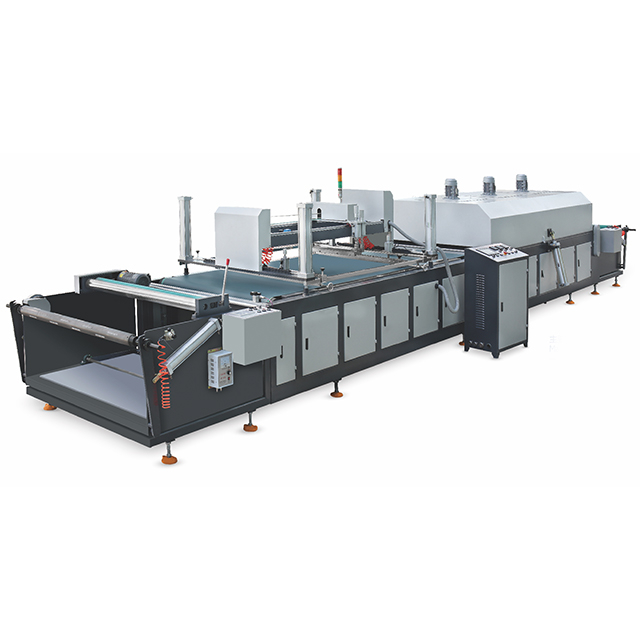
When selecting flexographic inks for your flexo printing machine, environmental and safety considerations play a crucial role. Choosing inks that align with regulatory standards and workplace safety ensures not only compliance but also a healthier environment and workforce. Let’s explore key aspects related to the environmental impact and safety of flexographic inks.
Volatile Organic Compounds (VOCs) are harmful chemicals emitted by many solvent-based inks. These emissions contribute to air pollution and pose health risks. Water-based flexographic inks significantly reduce VOC emissions because water replaces most organic solvents. This makes them an eco-friendlier option suitable for porous packaging substrates like paper and cardboard.
Energy-curable inks, including UV and electron beam (EB) types, cure through exposure to energy sources rather than solvent evaporation. This process virtually eliminates VOC emissions, offering a sustainable alternative for high-quality printing on a variety of substrates. Using these inks helps reduce your printing operation’s environmental footprint while maintaining excellent print performance.
Worker safety is paramount in any printing environment. Solvent-based inks often emit strong odors and contain hazardous chemicals, necessitating proper ventilation and protective equipment. In contrast, water-based inks have low odor levels and fewer toxic components, creating a safer workplace.
Energy-curable inks also improve safety by minimizing chemical exposure since they do not rely on volatile solvents. However, operators must use caution around UV light sources to prevent skin or eye damage. Selecting inks with low toxicity and manageable odor improves comfort and health for your printing team.
Food packaging requires inks that comply with strict safety regulations to prevent contamination. Flexographic inks for food contact must meet standards set by authorities like the FDA or the European Food Safety Authority (EFSA).
Water-based and energy-curable inks are often preferred for food packaging due to their low chemical migration risk and minimal VOCs. These inks are formulated to avoid harmful substances that could transfer to food products. Ensuring your inks meet regulatory requirements protects consumers and enhances your brand’s reputation.
The flexographic ink industry is advancing rapidly toward sustainability. Innovations include bio-based resins derived from renewable resources, reducing reliance on petroleum-based components. Manufacturers are also developing inks with improved recyclability and biodegradability to support circular economy goals.
Some new formulations combine water-based and energy-curable technologies to maximize environmental benefits without sacrificing print quality. As a flexo printing machine operator, staying informed about these eco-friendly options allows you to adopt greener practices and meet growing market demand for sustainable packaging.
Using flexographic inks efficiently with your flexo printing machine requires attention to detail and proper handling. These practical tips focus on key areas like ink storage, viscosity control, pre-testing, and maintaining ink quality during long runs to help you achieve consistent, high-quality results.
Proper ink storage preserves the flexographic ink properties essential for smooth printing:
Store inks in a cool, dry place away from direct sunlight to prevent premature drying or pigment settling.
Keep containers tightly sealed to avoid contamination and solvent evaporation.
Avoid mixing old and new inks unless recommended by the manufacturer, as differences in formulation can cause color inconsistency or printing defects.
Thoroughly stir or mix inks before use to ensure uniform pigment dispersion and consistent color strength.
Following these steps maintains the ink’s integrity and compatibility with your flexo printing machine.
Ink viscosity directly affects print quality and machine performance. Here’s how to manage it effectively:
Regularly measure viscosity using a viscometer during production runs to detect changes early.
Adjust viscosity carefully with appropriate solvents or additives recommended for your ink type to maintain optimal flow.
Monitor ambient temperature and humidity, as these environmental factors influence ink thickness.
Avoid over-thinning, which can cause ink bleeding and poor adhesion, or overly thick ink that clogs anilox rollers.
Consistent viscosity control helps prevent defects and reduces downtime.
Before committing to full production, always test inks on your actual substrates:
Check ink adhesion and drying times on the intended material to ensure compatibility.
Evaluate color accuracy and gloss finish to meet project requirements.
Identify potential issues like ink bleeding, smudging, or uneven coverage early.
Adjust ink formulation or select alternative inks if problems arise during pre-testing.
Pre-testing minimizes waste and guarantees the best flexographic ink types for packaging or other substrates.
Long runs can challenge ink consistency. Use these tips to maintain quality:
Keep inks well-mixed throughout the run to prevent pigment settling and color shifts.
Use automatic stirring systems or manual agitation at regular intervals.
Monitor and adjust viscosity continuously to adapt to changing press conditions.
Ensure proper cleaning of ink delivery components to avoid buildup and contamination.
Replace inks when signs of degradation appear, such as changes in color or flow.
These practices support stable print quality and efficient operation of your flexo printing machine.
The flexo printing industry is evolving rapidly, driven by technological advances and growing sustainability demands. Staying ahead means understanding future trends in flexographic inks and how they integrate with modern flexo printing machines. Let’s explore key innovations shaping the future.
Sustainability is a top priority. Ink manufacturers are developing bio-based flexographic inks made from renewable resources like plant oils and natural resins. These inks reduce reliance on petroleum-based components and lower environmental impact. They often feature improved biodegradability and recyclability, aligning well with eco-friendly packaging trends.
Sustainable inks maintain essential flexographic ink properties such as adhesion, color vibrancy, and durability. They are increasingly compatible with various substrates, including food packaging materials, without compromising safety or print quality. This shift supports companies aiming to meet stricter environmental regulations and consumer expectations.
Smart inks are gaining traction in flexo printing applications. These inks include special additives or technologies that enable security features and product tracking. Examples include:
UV-fluorescent inks visible only under UV light for anti-counterfeiting.
Thermochromic inks that change color with temperature shifts.
Conductive inks for printed electronics or RFID tags.
Integrating smart inks expands the capabilities of flexo printing machines beyond traditional packaging, adding value through brand protection and supply chain transparency.
Digital flexo printing combines the benefits of digital technology with flexographic ink application. New digital flexo inks offer faster drying, enhanced color gamut, and better consistency. These inks are specially formulated to work with digital flexo plates and advanced machine controls.
Digital flexo inks reduce setup times and waste, improving efficiency. Their precise formulation allows for sharper images and finer details, meeting increasing demands for premium packaging aesthetics. This technology also supports shorter runs and quicker changeovers, ideal for dynamic market needs.
Modern flexo printing machines are designed to accommodate a wider range of flexographic inks. Innovations include:
Advanced drying systems compatible with energy-curable and water-based inks.
Automated viscosity and ink flow controls to maintain optimal ink properties.
Enhanced substrate handling for flexible and rigid materials.
Integration with digital controls for real-time ink monitoring.
These improvements ensure inks perform consistently at higher speeds, reducing downtime and boosting productivity. Machines are becoming more versatile, allowing printers to switch between ink types easily while maintaining quality.
Choosing the right flexographic ink depends on understanding ink types, substrate compatibility, and machine requirements. Proper ink selection improves print quality and production efficiency while reducing defects and downtime. Aligning ink choices with sustainability goals supports environmental compliance and worker safety. Modern flexo printing machines enhance results when paired with compatible inks, enabling faster drying and consistent performance. Huabo offers advanced flexographic inks designed to deliver vibrant colors, strong adhesion, and eco-friendly benefits, helping businesses achieve superior printing outcomes.
A: The main flexographic ink types include water-based, solvent-based, energy-curable (UV and electron beam), and oil-based inks. Each type has specific flexographic ink properties that affect adhesion, drying speed, and substrate compatibility. Choosing the right type depends on your substrate and print quality needs for your flexo printing machine.
A: Ink compatibility with substrates ensures proper adhesion and prevents defects like bleeding or smudging. Using inks formulated for your substrate type, such as solvent-based inks for plastics or water-based for paper, optimizes print quality and reduces downtime on your flexo printing machine.
A: Proper ink viscosity ensures smooth ink flow, prevents clogging of anilox rollers, and maintains sharp print quality. Monitoring and adjusting viscosity according to the flexographic ink formulation helps your flexo printing machine operate efficiently and produce consistent results.
A: Water-based and energy-curable inks reduce VOC emissions and odors, improving worker safety and environmental compliance. They are ideal choices for sustainable printing operations using a flexo printing machine, especially for food packaging requiring low chemical migration.
A: Use a flexographic ink selection guide considering substrate type, print quality, drying speed, and environmental factors. Pre-test inks on your packaging materials to ensure compatibility and optimal performance with your flexo printing machine.