Views: 0 Author: Site Editor Publish Time: 2026-03-26 Origin: Site


Are you curious how durable, eco-friendly nonwoven bags are made? These bags are reshaping the packaging industry. Using a nonwoven making machine, manufacturers produce strong, reusable bags efficiently. In this post, you’ll learn about nonwoven bags’ benefits, the production process, and their growing market demand.
Producing high-quality nonwoven bags involves several precise steps, each relying on specialized equipment like the nonwoven making machine and related technologies. Here’s a detailed walkthrough of the production process using a nonwoven bag making machine:
The process starts with selecting the right raw materials. Polypropylene is the most common polymer used due to its durability, moisture resistance, and cost-effectiveness. Polyester is also an option for specific applications. The raw polymer granules are prepared and fed into the nonwoven fabric manufacturing machine, where they are melted and converted into fibers.
The molten polymer is extruded through spinnerets to create fine filaments. These filaments are laid down into a web using spunbond or melt-blown techniques. The nonwoven fabric making machine ensures the fibers bond uniformly, forming a consistent fabric roll. This fabric is lightweight yet strong, ideal for bags.
Bonding the fibers is crucial for fabric strength. Heat and pressure bonding are common for spunbond fabrics, while ultrasonic welding is used for precise bonding without adhesives. Ultrasonic welding also plays a role in later stages for sealing bag parts efficiently.
Once the fabric rolls are ready, they move to the cutting stage. Nonwoven bag machines equipped with automated cutting systems slice the fabric into panels according to the bag design—be it D-cut, W-cut, or box-style. These machines provide precision and speed, reducing waste and ensuring uniformity.
Custom printing is often applied before or after cutting. Techniques like screen printing, flexographic printing, and heat transfer allow brands to add logos or designs. The nonwoven fabric bags making machine must be compatible with printing to maintain fabric integrity.
Assembly involves joining the cut fabric panels. Traditional sewing machines are used for heavy-duty bags requiring strong seams. Alternatively, ultrasonic welding machines create seamless, durable bonds quickly, improving production efficiency and bag aesthetics.
Handles are produced either from the same nonwoven material or reinforced strips. They are attached by sewing or ultrasonic welding, depending on the bag type and expected load. Proper handle attachment ensures the bag can carry weight without failure.
After assembly, bags undergo trimming, inspection, and finishing touches. Quality control checks seam strength, print clarity, and dimensional accuracy. Finally, bags are folded and packed for shipment. Efficient packaging helps maintain product quality during transport.

Manufacturing nonwoven bags efficiently and consistently requires a range of specialized machinery. Each machine plays a vital role in transforming raw materials into finished products. Understanding these key machines helps manufacturers choose the right equipment for their production needs.
Nonwoven making machines come in two main types: semi-automatic and automatic. Semi-automatic machines are ideal for small to medium-scale production, offering flexibility in bag styles like D-cut or W-cut. They require some manual operation but are cost-effective for startups or custom orders.
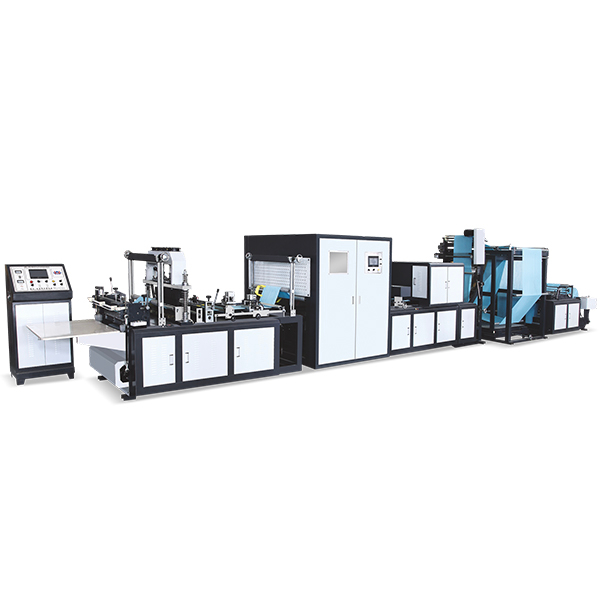
Automatic nonwoven bag machines handle high-volume production with minimal human intervention. These machines integrate fabric feeding, cutting, welding, and assembly into continuous workflows, boosting efficiency. They support various bag designs, including box-style and carry bags, and often feature programmable controls for customization.
Cutting machines are essential for shaping nonwoven fabric into bag panels. Advanced nonwoven fabric bags making machines use automated cutting systems such as rotary blades or laser cutters. These tools ensure precise dimensions and clean edges, reducing material waste.
Cutting machines designed for nonwoven materials accommodate different thicknesses and fabric types. For example, a nonwoven roll making machine can feed fabric seamlessly into the cutting unit. This precision is crucial for maintaining consistent quality across batches.
Branding and customization require printing equipment compatible with nonwoven fabrics. Common printing methods include screen printing, flexographic printing, and digital printing. The nonwoven fabric manufacturing machine must produce fabric surfaces suitable for ink adhesion.
Specialized printing machines apply vibrant, durable logos and designs without damaging the fabric. Some advanced nonwoven fabric bags making machines integrate printing modules inline, allowing simultaneous printing and bag formation to enhance production speed.
For bag assembly, sewing machines remain popular, especially for heavy-duty bags needing reinforced seams. Industrial sewing machines designed for nonwoven cloth making handle thick layers and multiple fabric panels efficiently.
Heat press machines complement sewing by sealing edges or applying heat transfer prints. They provide a professional finish and strengthen seams when combined with heat-activated adhesives or bonding layers.
Ultrasonic welding machines are increasingly favored for their speed and seam quality. These machines bond fabric panels using high-frequency vibrations, creating strong, seamless joints without thread or adhesives.
Ultrasonic welding is ideal for nonwoven polypropylene bag making machines, offering clean edges and water-resistant seals. It reduces production time and improves bag aesthetics, making it a preferred choice for modern nonwoven carry bag making machines.
The nonwoven bag industry is evolving rapidly, with advanced technologies transforming production efficiency and product quality. Modern nonwoven making machines incorporate automation, intelligent systems, and specialized equipment to meet growing market demands while maintaining consistent output.
Automation plays a crucial role in optimizing nonwoven fabric bags making machines. Automated systems handle fabric feeding, cutting, welding, and assembly with minimal human intervention. Robotics enhance precision, especially in repetitive tasks like handle attachment and seam welding. This reduces labor costs and errors, allowing manufacturers to scale production efficiently.
For example, a nonwoven polypropylene bag making machine integrated with robotic arms can perform ultrasonic welding and handle placement simultaneously. This technology speeds up production and ensures uniform quality across batches.
Intelligent production systems use sensors and software to monitor every stage of manufacturing. These systems adjust parameters like temperature, pressure, and cutting speed in real time. By doing so, they maintain fabric strength, seam integrity, and dimensional accuracy.
Such systems are often embedded in nonwoven bag machines, including nonwoven d cut bag machine and nonwoven w cut bag making machine models. They help detect defects early, reducing waste and rework. This consistency is vital for meeting strict quality standards and customer expectations.
High-volume production demands machines designed for speed and durability. Specialized nonwoven bag machines combine multiple functions—cutting, printing, welding, and assembly—into streamlined lines. This integration minimizes downtime and maximizes throughput.
For instance, a nonwoven box bag making machine price may reflect its advanced capabilities to produce box-style bags continuously. Similarly, nonwoven carry bag making machines with inline printing and welding modules can produce thousands of bags daily without compromising quality.
Printing technology for nonwoven fabrics has advanced significantly. Inline printing modules integrated into nonwoven fabric manufacturing machines allow simultaneous fabric production and branding. Techniques such as digital printing and flexographic printing provide vibrant, durable designs that do not crack or fade.
Customization options have expanded to include multi-color prints, embossing, and heat transfers. These innovations enable brands to create eye-catching nonwoven fabric bags that stand out in the market.
Choosing the right materials is crucial when producing nonwoven bags. The selection impacts the bag’s strength, durability, appearance, and environmental footprint. Let’s explore the key factors manufacturers consider when working with a nonwoven making machine.
Polypropylene (PP) is the most popular polymer for nonwoven bags. It’s lightweight, moisture-resistant, and cost-effective. PP fibers create strong, durable fabrics ideal for everyday use. Nonwoven polypropylene bag making machines typically use this polymer because it melts and extrudes efficiently, forming consistent fibers.
Polyester is another option, often chosen for its higher tensile strength and better resistance to UV light. It’s sometimes recycled from PET bottles, making it a more sustainable choice. However, polyester-based nonwoven fabric making machines may require adjustments to handle the polymer’s different melting point and properties.
The quality of the polymer directly affects the final fabric. High-purity polymers with consistent molecular weight produce uniform fibers with excellent tensile strength. Lower-quality polymers can lead to weak spots, uneven bonding, or fabric defects.
Manufacturers using a nonwoven fabric manufacturing machine must ensure raw materials meet strict quality standards. This reduces waste and improves product reliability, especially for heavy-duty nonwoven carry bags.
Sustainability is increasingly important in nonwoven bag production. Many manufacturers now prefer recycled polypropylene or polyester to reduce environmental impact. Some nonwoven fabric bags making machines are compatible with recycled polymers, though this may affect machine settings and maintenance.
Biodegradable polymers are emerging but are less common due to cost and processing challenges. Choosing sustainable materials helps brands meet eco-friendly packaging regulations and appeals to environmentally conscious consumers.
Nonwoven fabrics vary by production method, each offering unique properties:
Spunbond: Fibers are extruded and laid directly into a web, then bonded by heat and pressure. Spunbond fabrics are strong, lightweight, and commonly used for reusable bags.
Melt-blown: Produces finer fibers by extruding molten polymer into high-velocity air streams. Melt-blown layers add filtration and softness but are less durable alone.
Needle-punched: Fibers are mechanically entangled using barbed needles. This method creates thick, durable fabrics with good tear resistance, often used in heavy-duty applications.
Nonwoven bag machines are often designed for spunbond fabrics, but some advanced lines can handle composite fabrics combining these methods to enhance bag performance.
Producing high-quality nonwoven bags with a nonwoven making machine involves overcoming several challenges. These hurdles can affect efficiency, product quality, and costs. Addressing them strategically ensures smooth operations and consistent output.
Material Inconsistency: Variations in polymer quality or moisture can cause weak fabric or machine jams.Solution: Source polymers from trusted suppliers and store materials in controlled environments to maintain consistent quality.
Machine Downtime: Frequent stoppages due to mechanical issues or poor maintenance reduce productivity.Solution: Implement regular preventive maintenance schedules and train operators on troubleshooting common machine faults.
Fabric Defects: Problems like uneven bonding, wrinkles, or inconsistent thickness can occur during fiber extrusion or bonding.Solution: Use intelligent production systems integrated into nonwoven fabric manufacturing machines to monitor parameters like temperature and pressure, adjusting them in real-time.
Seam Failures: Improper welding or sewing can weaken bag integrity, especially under load.Solution: Employ ultrasonic welding machines for strong, seamless bonds and conduct regular quality checks on seams.
Quality control is vital at every stage to ensure the final nonwoven fabric bags meet standards. Key practices include:
Inline Monitoring: Sensors detect fabric weight (GSM), thickness, and web uniformity during production.
Seam Inspection: Automated vision systems check seam strength and weld consistency in nonwoven bag machines.
Print Quality Checks: For bags with branding, verify color accuracy and adhesion using specialized equipment.
Sample Testing: Regular tensile and load tests on samples ensure durability, particularly for carry bags.
Implementing these controls reduces waste and customer complaints, enhancing brand reputation.
Nonwoven bag manufacturers must comply with evolving regulations focused on sustainability and safety:
Material Restrictions: Some regions limit certain polymers or additives. Manufacturers should verify polymer compliance before processing.
Recyclability Requirements: Using recyclable or recycled polypropylene aligns with environmental mandates and consumer preferences.
Emission Controls: Production facilities must manage emissions and waste responsibly, often requiring updated equipment or processes.
Staying informed about regulations and investing in compliant nonwoven making machines helps avoid fines and supports sustainable practices.
Controlling costs while maintaining quality is a constant challenge. Effective strategies include:
Optimized Cutting: Using precision cutting systems in nonwoven fabric bags making machines minimizes fabric waste.
Material Utilization: Adjusting machine settings to reduce fiber overlap and scrap during web formation saves raw materials.
Energy Efficiency: Upgrading to energy-saving motors and ultrasonic welding reduces power consumption.
Recycling Scraps: Collecting and reprocessing fabric offcuts lowers material costs and environmental impact.
These measures improve profitability and support eco-friendly production goals.
The step-by-step production guide highlights key stages in making high-quality nonwoven bags using specialized machines. Investing in advanced nonwoven making machines improves efficiency and product consistency. Future trends focus on automation, intelligent systems, and eco-friendly materials to meet market demands. Encouraging sustainable practices helps manufacturers reduce waste and comply with regulations. Huabo offers innovative nonwoven bag machines that deliver reliable performance and support sustainable, efficient production for diverse bag styles.
A: A nonwoven making machine is essential for converting raw polymer granules into nonwoven fabric through fiber extrusion, web formation, and bonding. It ensures consistent fabric quality used in nonwoven fabric bags making machines for cutting and assembly.
A: The nonwoven bag machine price varies based on automation level and features like ultrasonic welding or inline printing. Investing in advanced machines can boost efficiency and reduce labor costs, offering better long-term value.
A: Yes, modern nonwoven bag machines can produce various styles such as D-cut, W-cut, box bags, and carry bags, adapting cutting and assembly processes accordingly.
A: Challenges include material inconsistency, machine downtime, and seam failures. Solutions involve sourcing quality polymers, regular maintenance, and using ultrasonic welding for strong seams.
A: These machines can process recycled polypropylene and polyester, enabling eco-friendly bag production. Adjustments may be needed to handle recycled materials efficiently.