Views: 0 Author: Site Editor Publish Time: 2026-03-26 Origin: Site


Are woven and nonwoven fabrics really that different? Choosing the right fabric impacts quality and cost. Nonwoven making machines revolutionize fabric production today. In this post, you’ll learn key differences, uses, and how to pick the best fabric type for your needs.
The fundamental difference between woven and nonwoven fabrics lies in their manufacturing processes. Woven fabrics are created by interlacing yarns at right angles on a loom, forming a tight, grid-like structure. This traditional method involves warp and weft yarns crossing over and under each other, producing strong and durable textiles.
In contrast, nonwoven fabrics are produced using a nonwoven making machine, which bonds fibers together through mechanical, chemical, or thermal methods without weaving or knitting. This process is faster and requires fewer steps, allowing for quick and cost-effective production of fabrics tailored to specific needs.
Woven fabrics rely on yarn interlacing, which creates a stable and uniform structure. This interlacing provides strength and shape retention but limits stretchability. Nonwoven fabrics, however, consist of fibers bonded randomly or in specific orientations. The bonding methods vary, including needle punching, chemical adhesives, or heat fusion, resulting in fabrics that are often softer and more flexible but generally less strong than woven ones.
Due to their interlaced yarn structure, woven fabrics typically offer superior strength and durability. They resist tearing and maintain their integrity under stress, making them ideal for heavy-duty applications like upholstery, workwear, and industrial uses. Nonwoven fabrics, while usually less durable, can be engineered with multiple layers or reinforced backings to enhance strength for applications such as medical disposables and filtration materials.
Woven fabrics have limited stretch, mostly along the bias (diagonal), and tend to retain their shape well. This characteristic is beneficial for garments and home textiles that require stability. Nonwoven fabrics, on the other hand, often provide greater flexibility and can be designed for specific stretch properties, making them suitable for applications like hygiene products and flexible packaging.
Nonwoven making machines enable rapid fabric production at a lower cost due to fewer manufacturing steps and less labor intensity. Woven fabric production is slower and more labor-intensive, involving complex weaving patterns and yarn preparation. This difference makes nonwoven fabrics more economical for disposable or single-use products, whereas woven fabrics are preferred for reusable and long-lasting items.
Both fabric types offer customization, but in different ways. Woven fabrics can be engineered with various weave patterns (plain, twill, satin) and yarn types to achieve desired textures and strengths. Nonwoven fabrics provide a broader range of functional properties by manipulating fiber types, bonding methods, and additives to achieve water repellency, flame retardancy, filtration efficiency, and more.
Woven fabrics, especially those made from natural fibers like cotton or wool, are biodegradable but often require significant water and energy during production. Nonwoven fabrics are commonly made from synthetic fibers such as polypropylene, which are recyclable but not always biodegradable. However, advances in biodegradable nonwoven materials and sustainable manufacturing practices are reducing their environmental footprint. Choosing between woven and nonwoven fabrics should consider lifecycle impacts and end-use sustainability goals.
Key Differences Between Nonwoven and Woven Fabrics
| Comparison Aspect | Woven Fabrics | Nonwoven Fabrics |
|---|---|---|
| Manufacturing process | Made by interlacing warp and weft yarns on a loom | Made by bonding fibers through mechanical, chemical, or thermal methods using a nonwoven making machine |
| Basic structure | Yarn-based, with a regular interlaced pattern | Fiber-based, with randomly or directionally bonded fibers |
| Production steps | More complex and labor-intensive | Fewer steps and more streamlined production |
| Production speed | Slower | Faster |
| Cost efficiency | Higher production cost in many cases | More cost-effective for high-volume output |
| Strength | Generally stronger and more durable | Usually less strong, but can be engineered for specific performance |
| Durability | Better for repeated use and long service life | Often better suited for disposable or short-life applications |
| Flexibility | More structured and stable | Usually softer and more flexible |
| Stretch characteristics | Limited stretch, mainly on the bias | Can be designed with specific stretch or softness properties |
| Shape retention | Good shape retention | Depends on fiber type and bonding method |
| Customization methods | Adjusted through yarn type, weave pattern, and fabric density | Adjusted through fiber selection, bonding technology, layering, and additives |
| Functional properties | Can offer texture, strength, and durability through weave design | Can provide filtration, water resistance, flame retardancy, softness, and absorbency |
Woven fabrics have long been a staple in various industries due to their strength, durability, and versatile woven fabric characteristics. Thanks to traditional looms and modern weaving machines, these fabrics serve many essential roles across multiple sectors.
Woven fabrics are the go-to choice for clothing because of their structured weave and durability. Common woven fabric types like denim, twill, and satin offer different textures and strengths suitable for jeans, shirts, jackets, and dresses. Their woven fabric properties ensure garments retain shape and resist wear, making them ideal for everyday apparel. Additionally, woven fabrics can be finished to enhance breathability, water resistance, or softness, meeting diverse fashion needs.
In industrial settings, woven fabrics provide robust solutions. They are used in conveyor belts, filtration materials, and protective clothing. Automotive industries rely on woven textiles for seat covers, insulation, and sound absorption. The woven fabric advantages here include high tensile strength and resistance to abrasion, essential for safety and longevity in vehicles. Modern weaving machines enable precise production of complex patterns tailored for specific industrial requirements.
Woven fabrics dominate home textiles such as curtains, upholstery, and cushions. Their woven fabric characteristics, like stability and durability, make them suitable for heavy use and aesthetic appeal. Different weave types, such as herringbone or plain weave, add texture and style to interior design. Advanced weaving technologies also allow customization in color, pattern, and fabric weight, enhancing home décor options.
Woven fabrics play a critical role in medical textiles, including surgical gowns, drapes, and bandages. Their strength and barrier properties protect against contamination and provide comfort. Safety textiles like uniforms for firefighters, law enforcement, and military personnel also utilize woven fabrics for their durability and resistance to harsh conditions. The ability to engineer woven fabrics with flame retardant or antimicrobial finishes expands their applications in these critical fields.
In aerospace and composite materials, woven fabrics serve as reinforcement layers for lightweight, high-strength components. Materials like fiberglass and aramid fibers are woven into fabrics that form the backbone of aircraft interiors, satellite panels, and automotive composites. The precision of modern weaving machines ensures consistent fabric properties, critical for performance and safety in demanding environments.
Nonwoven fabrics, produced by a nonwoven making machine, bring unique advantages across many industries. Their distinct nonwoven fabric characteristics—such as lightweight structure, flexibility, and customizable properties—make them ideal for a wide range of applications that differ significantly from woven fabric uses.
One of the most prominent nonwoven fabric applications is in disposable medical products. Nonwoven fabrics are essential in manufacturing face masks, surgical gowns, drapes, and wound dressings. Their nonwoven fabric properties, like breathability, liquid repellency, and bacterial protection, ensure safety and comfort. Hygiene products such as diapers, sanitary napkins, and baby wipes also rely heavily on nonwoven fabrics due to their absorbency and softness. The rapid production capability of nonwoven making machines allows for mass production to meet high demand in healthcare and personal care sectors.
Nonwoven fabrics excel in filtration applications, including air, water, and oil filters. Their fiber bonding structure enables efficient particle capture while maintaining airflow. Additionally, nonwoven fabrics serve as thermal and acoustic insulation materials in buildings and vehicles. Their lightweight nature and customizable thickness provide excellent insulation without adding bulk. These functional properties are difficult to achieve with woven fabrics, highlighting the key differences woven nonwoven in performance.
In agriculture and construction, nonwoven fabrics are used as geotextiles to stabilize soil, control erosion, and improve drainage. Their permeability and durability under environmental stress make them valuable for land management. Nonwoven fabric types designed for UV resistance and biodegradability contribute to sustainable farming practices. These nonwoven fabric applications help protect landscapes and infrastructure efficiently and cost-effectively.
Nonwoven fabrics are increasingly popular in packaging, especially as eco-friendly alternatives to plastics. They are used for reusable shopping bags, gift wraps, and protective packaging. The nonwoven fabric benefits of being lightweight, strong, and recyclable align well with sustainability goals. Nonwoven making machines enable customization in fabric weight and finish, creating packaging solutions that meet both functional and environmental requirements.
Beyond common uses, nonwoven fabrics serve specialty industrial roles. They are found in automotive components such as interior linings and filters, aerospace insulation, and protective clothing. Nonwoven fabrics can be engineered for flame retardancy, impact resistance, and electrical insulation. These specialized properties expand the scope of nonwoven vs woven textile applications, offering manufacturers versatile materials for advanced technologies.
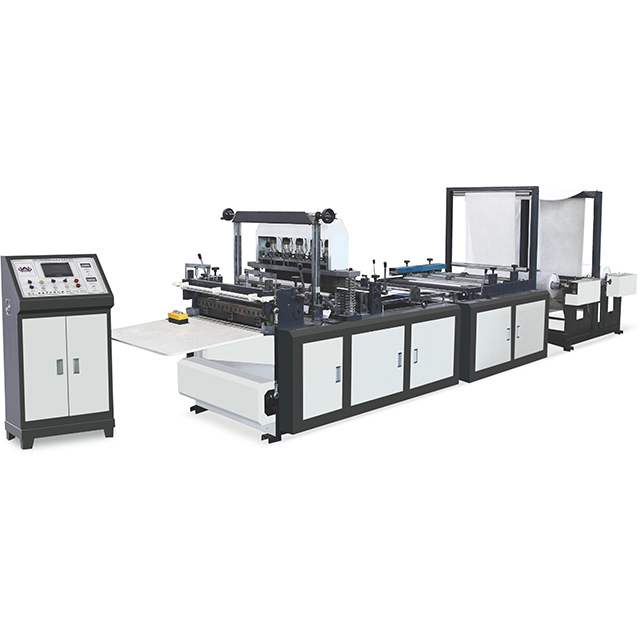
Choosing between woven and nonwoven fabrics depends on several factors related to your specific application. Understanding the differences in strength, cost, environmental impact, and durability will help you make an informed decision that aligns with your project goals.
Woven fabrics are typically stronger and more durable due to their interlaced yarn structure. This makes them ideal for applications requiring high tensile strength and load-bearing capacity, such as upholstery, workwear, and industrial uses. If your project demands resistance to tearing and long-term durability, woven fabric types like twill or canvas are excellent choices.
Nonwoven fabrics, produced by a nonwoven making machine, generally offer less strength but can be engineered with multiple layers or reinforcements for moderate load-bearing needs. They are better suited for applications where flexibility and disposability are prioritized over heavy-duty strength, such as medical gowns or hygiene products.
Nonwoven fabrics have a clear advantage in production speed and cost efficiency. The nonwoven making machine allows rapid manufacturing with fewer steps, reducing labor and material expenses. This cost-effectiveness suits industries producing disposable or single-use items.
Conversely, woven fabrics require more time and complex processes, including yarn preparation and weaving on looms. While this increases production costs, the resulting fabric’s durability and reusability justify the investment for long-term applications.
Environmental impact is a growing concern in fabric selection. Woven fabrics, especially those made from natural fibers like cotton or wool, are biodegradable but may involve higher water and energy consumption during production. Synthetic woven materials can be recyclable but often depend on the availability of recycling facilities.
Nonwoven fabrics are commonly made from synthetic polymers like polypropylene, which are recyclable but not inherently biodegradable. However, recent advances in biodegradable nonwoven fabric types and sustainable manufacturing practices are improving their eco-friendliness. If sustainability is a priority, consider sourcing nonwoven materials produced with biodegradable fibers or recycled content.
For applications requiring repeated use and longevity, woven fabrics stand out due to their structural integrity and resistance to wear. They maintain shape and performance over time, making them suitable for apparel, upholstery, and industrial textiles.
Nonwoven fabrics excel in disposable or limited-use scenarios. Their nonwoven fabric characteristics, such as softness, absorbency, and breathability, make them perfect for hygiene products, medical disposables, and filtration materials. Their cost-effectiveness and rapid production also support high-volume demands.
The evolution of nonwoven making machines has transformed the nonwoven fabric industry. Modern machines integrate advanced technologies such as spunbond, meltblown, and airlaid processes, enabling the production of fabrics with precise fiber distributions and enhanced performance. These innovations allow manufacturers to tailor nonwoven fabric properties like thickness, density, and porosity, meeting diverse application needs from medical textiles to filtration. Compared to traditional methods, these machines offer higher production speeds and improved fabric uniformity, advancing the overall quality and reliability of nonwoven products.
Nonwoven making machines now provide remarkable customization options. By adjusting fiber types, bonding techniques (thermal, chemical, or mechanical), and layering methods, manufacturers can create nonwoven fabrics with specific characteristics. For instance, adding hydrophobic fibers can yield water-resistant materials, while incorporating flame-retardant additives enhances safety textiles. This flexibility supports the creation of nonwoven fabric types tailored for unique uses, such as breathable surgical gowns or high-efficiency filter media. The ability to customize functional properties on-demand distinguishes nonwoven fabrics from woven textiles, which rely more on yarn and weave pattern variations.
Sustainability is a key focus in recent nonwoven making machine advancements. New machines enable the use of biodegradable fibers like polylactic acid (PLA) and natural polymers, reducing environmental impact. Additionally, energy-efficient bonding methods and solvent-free processes lower carbon footprints. Some machines support recycling of post-consumer and post-industrial fibers, promoting circular economy principles. These improvements address concerns around synthetic nonwoven fabrics, traditionally made from polypropylene or polyester, which are less biodegradable. As a result, nonwoven fabric benefits now extend beyond performance to include eco-friendliness, aligning with global sustainability goals.
The latest nonwoven making machines embrace Industry 4.0 technologies, incorporating automation, IoT sensors, and data analytics. This integration enhances process control, allowing real-time monitoring of fabric quality, machine performance, and energy consumption. Automated adjustments optimize fiber bonding and fabric uniformity, reducing waste and downtime. Smart machines also enable predictive maintenance, extending equipment life and lowering operational costs. These digital advancements not only boost production efficiency but also support manufacturers in delivering consistent, high-quality nonwoven fabrics that meet stringent industry standards.
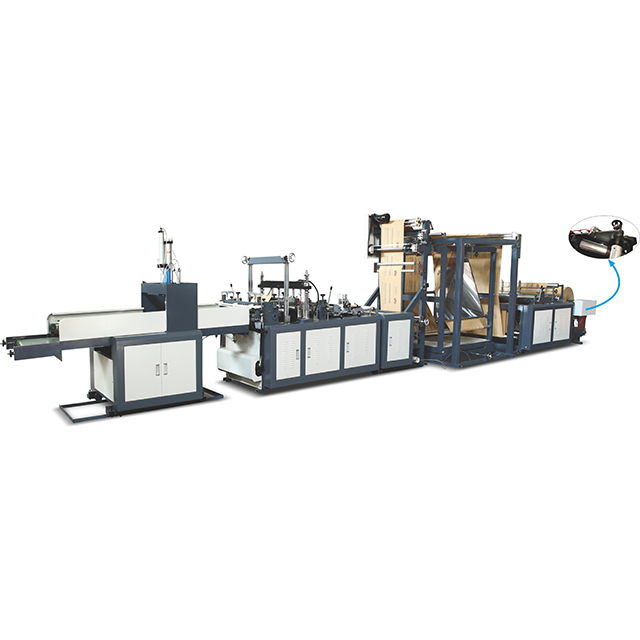
When comparing the cost-effectiveness of nonwoven making machines and traditional weaving, nonwoven production typically offers significant savings. Nonwoven fabrics are manufactured by bonding fibers directly, which removes several steps required in woven fabric production.
This streamlined method helps reduce costs in several ways:
No yarn spinning is required
No weaving process is needed
Less raw material waste is generated
Labor requirements are generally lower
By contrast, woven fabric production involves multiple stages, including spinning yarns, preparing loom setups, and weaving the fabric. These added steps increase both production time and overall manufacturing cost.
Nonwoven making machines can also produce large fabric volumes rapidly, making them ideal for high-demand and disposable products. Woven fabrics are usually more expensive to produce, but their durability can justify the higher investment in reusable applications. As a result, the right choice depends on how you balance upfront production cost with long-term product value.
Nonwoven making machines excel in both speed and scalability. They can operate continuously at speeds ranging from 100 to 400 yards per minute, while traditional looms typically produce only 0.5 to 6 yards per minute.
This difference gives nonwoven manufacturing clear advantages:
Faster response to market demand
Higher output for large-volume orders
Better suitability for continuous production
Stronger support for fast-turnaround industries
In addition, nonwoven production is easier to scale. Manufacturers can increase capacity by adding more machines or upgrading existing equipment. Traditional weaving is less flexible because loom setup, adjustment, and maintenance are more complex. This makes nonwoven fabrics especially attractive for industries such as medical disposables, hygiene products, and other high-volume applications.
Operating nonwoven making machines generally requires less maintenance compared to traditional weaving equipment. Nonwoven machines have fewer moving parts and simpler mechanisms, reducing downtime and repair costs. They also consume less energy, contributing to lower operational expenses.
Traditional weaving looms demand regular adjustments, skilled operators, and precise tension control to maintain fabric quality. The complexity increases maintenance needs and operational costs. However, woven fabric production benefits from mature technology and a well-established supply chain, ensuring reliability for long-term projects.
The economic benefits of nonwoven making machines are most pronounced in sectors focused on disposable or single-use products. Healthcare, hygiene, filtration, and packaging industries leverage nonwoven fabrics for cost savings and rapid production. The ability to customize nonwoven fabric properties enhances their value in these markets.
Conversely, industries requiring durable, high-strength textiles—such as apparel, automotive, aerospace, and home furnishings—favor woven fabrics despite higher production costs. The woven fabric advantages in strength, durability, and aesthetic appeal justify the investment for these applications.
Choosing between nonwoven and woven fabrics depends on strength, flexibility, cost, and application needs. Nonwoven making machines enable fast, cost-effective production with customizable properties. Woven fabrics offer superior durability and are ideal for long-term use. Advances in technology are improving sustainability and performance in both fabric types. For buyers and manufacturers seeking reliable, innovative fabric solutions, Huabo stands out by delivering high-quality products that balance efficiency with environmental responsibility.
A: The nonwoven making machine bonds fibers mechanically, chemically, or thermally without weaving, enabling faster and cost-effective production. In contrast, woven fabrics are made by interlacing yarns on a loom, resulting in stronger, more durable textiles with distinct woven fabric characteristics.
A: Nonwoven making machines allow rapid customization of fiber types and bonding methods, producing fabrics ideal for medical disposables, filtration, and hygiene products. These nonwoven fabric properties, such as flexibility and breathability, differ significantly from woven fabric uses.
A: Woven fabrics offer superior strength, durability, and stability due to yarn interlacing, making them suitable for heavy-duty applications like upholstery and workwear. Although more expensive to produce, woven fabric advantages justify the investment for long-lasting products.
A: Yes, modern nonwoven making machines support biodegradable fibers and recycling of materials, enhancing nonwoven fabric benefits by reducing environmental impact and aligning with sustainability goals, unlike many traditional woven fabrics.
A: Regular maintenance, monitoring fiber bonding quality, and adjusting machine settings for fiber type and thickness help maintain consistent nonwoven fabric properties and reduce downtime, ensuring reliable production compared to more complex woven fabric machinery.