Views: 0 Author: Site Editor Publish Time: 2026-03-26 Origin: Site


Ever wondered how everyday nonwoven making Machine fabrics are made? Nonwoven making machines power many industries today. Choosing the right machine is vital for quality and efficiency. In this post, you’ll learn about top manufacturers, key machine types, and current market innovations.
When it comes to sourcing a reliable nonwoven making machine, selecting a manufacturer with proven expertise and innovation is crucial. These top 10 manufacturers worldwide stand out for their advanced technology, customization options, and global support.
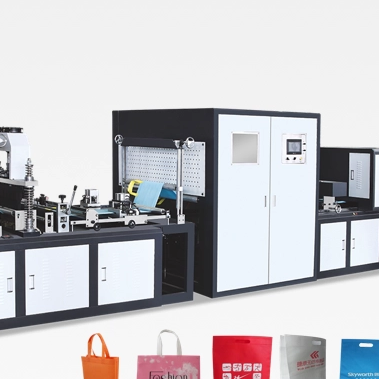
Wenzhou Huabo Plastic Packaging Machinery Co., Ltd. is a specialized manufacturer of nonwoven packaging machinery and printing machinery based in Pingyang, Wenzhou, China. The company focuses on nonwoven bag making machines, flexographic printing machines, sealing machines, cutting machines, slitting machines, and other related packaging equipment. Huabo offers a wide range of nonwoven bag making solutions for different bag types, including shopping bags, T-shirt bags, D-cut bags, handle loop bags, drawstring bags, shoe bags, and zipper bags, helping manufacturers meet diverse production requirements. Its equipment emphasizes production flexibility, stable performance, PLC and touchscreen control, ultrasonic sealing, and efficient operation for mass production needs. Huabo also presents itself as a supplier that supports customized machinery solutions for different packaging applications, making it suitable for buyers looking for practical and adaptable nonwoven bag production equipment.
Reifenhäuser Reicofil is a German leader in spunbond and meltblown technologies. Their nonwoven making machines are engineered for high-speed production and superior fabric strength. With an emphasis on innovation, Reifenhäuser’s machines incorporate advanced filtration and quality control systems. They serve industries requiring high-performance nonwoven fabrics, including medical and filtration sectors, where meltblown and spunbond fabrics are essential.
Andritz AG offers comprehensive nonwoven fabric manufacturing machines, including carding, cross-lapping, and bonding units. Their integrated production lines allow seamless operation from fiber processing to finished fabric. Known for versatility, Andritz machines accommodate various bonding techniques and fabric types, making them suitable for diverse applications like automotive and hygiene products.
Trützschler Nonwovens focuses on sustainable, energy-efficient nonwoven making machines with modular designs. Their carding and airlaid systems ensure uniform fiber distribution and allow easy production line expansion. Trützschler’s commitment to eco-friendly manufacturing aligns with growing market demands for sustainable nonwoven fabrics.
Specializing in spunlace (hydroentanglement) technology, Fleissner GmbH produces machines that create soft, durable nonwoven fabrics. Their high-pressure water jet systems enable the production of wipe materials, medical textiles, and other absorbent products. Fleissner’s machines emphasize energy efficiency and precise water management.
DiloGroup excels in needle-punching technology, offering machines that produce strong, dimensionally stable nonwoven fabrics. Their automated production lines improve efficiency and reduce labor costs. Dilo’s equipment supports a wide range of applications, from automotive textiles to filtration materials.
Oerlikon Nonwoven leads in melt-blowing technology, producing fine-fiber nonwoven fabrics with high filtration efficiency. Their machines feature process optimization tools that enhance fabric uniformity and production speed. Oerlikon’s scalable solutions suit both pilot and large-scale manufacturing.
Autefa Solutions provides modular, energy-efficient nonwoven fabric manufacturing machines. Their production lines integrate carding, cross-lapping, and bonding technologies for smooth workflows. Autefa’s machines are adaptable, supporting various nonwoven fabric types and production scales.
Asahi Kasei Machinery Corporation is known for its precision in polymer processing. Their nonwoven making machines utilize thermal and ultrasonic bonding technologies to produce durable fabrics. The company emphasizes clean, quiet operation and robust after-sales support.
Xingye Nonwoven Machinery Co., Ltd offers affordable nonwoven making machines with easy operation. Their equipment suits small to medium-sized manufacturers seeking reliable nonwoven bag machines and nonwoven fabric bags making machines at competitive prices. Xingye also provides customization options and responsive regional support.
When selecting a nonwoven making machine, understanding the key features can help you choose equipment that best fits your production needs. Whether you're looking for a nonwoven bag making machine, a non woven fabric manufacturing machine, or a specialized non woven carry bag making machine, these factors are crucial.
High production efficiency means your machine can produce more fabric or bags in less time. Leading machines offer fast operation without compromising quality. For example, advanced nonwoven bag machines can run continuously at high speeds, increasing output and reducing production costs. Efficient machines often feature optimized web formation and bonding processes, ensuring consistent fabric density and strength.
Flexibility is essential if you plan to produce different types or sizes of nonwoven products. Many manufacturers offer nonwoven making machines with adjustable parameters to handle various materials and fabric weights. Customization options allow you to tailor the machine to your specific needs, such as producing nonwoven fabric bags or non woven fabric making machines with unique properties. This adaptability supports business growth and diversification.
Energy consumption is a significant operational cost. Modern nonwoven fabric manufacturing machines incorporate energy-saving technologies like efficient motors, optimized heating systems, and water recycling. Choosing machines with low environmental impact aligns with sustainability goals and may reduce regulatory risks. For instance, some nonwoven bag making machine manufacturers emphasize eco-friendly designs that minimize waste and emissions.
Automation enhances precision and reduces labor costs. Many nonwoven making machines now come with digital control systems that monitor and adjust production parameters in real-time. Features like touchscreen interfaces, remote diagnostics, and process data logging improve usability and maintenance. Automated machines also help maintain consistent quality, crucial for applications like medical or hygiene products.
Choosing the right nonwoven making machine manufacturer is crucial for your business success. Leading manufacturers distinguish themselves through several key advantages that directly impact machine performance, customer experience, and long-term value. Let’s explore these comparative advantages, focusing on innovation, global support, customization, and quality standards.
Top manufacturers continuously invest in research and development to stay ahead in the competitive market. They develop cutting-edge technologies such as advanced spunbond and meltblown processes, energy-efficient designs, and automation features. For example, companies like Reifenhäuser Reicofil and Andritz AG lead with innovative solutions that improve fabric quality and production speed. This commitment to innovation ensures their nonwoven making machines remain state-of-the-art, offering you machines that adapt to evolving market demands and environmental regulations.
A strong global service network is essential for minimizing downtime and maintaining production efficiency. Leading manufacturers provide comprehensive after-sales services, including installation, training, maintenance, and spare parts supply. They often have regional service centers to offer timely technical assistance. For instance, HG Nonwoven Machinery Co., Ltd and DiloGroup are known for their responsive customer support, ensuring your nonwoven bag making machine operates smoothly throughout its lifecycle.
Every business has unique production needs. The best manufacturers offer flexible and customizable machine configurations. Whether you require a nonwoven fabric manufacturing machine tailored for specific fabric weights or a non woven carry bag making machine with particular bonding technology, customization is key. Modular designs allow easy scalability, enabling you to expand production capacity without replacing the entire system. This adaptability supports your business growth and diversification.
Quality assurance is fundamental when investing in a nonwoven making machine. Leading manufacturers adhere to strict quality control protocols and use high-grade materials and precision engineering. Their machines deliver consistent fabric quality and long service life, reducing maintenance costs and production interruptions. For example, Asahi Kasei Machinery Corporation is celebrated for its Japanese engineering excellence, ensuring clean, quiet, and reliable operation.
The world of nonwoven making machines is rapidly evolving, driven by technological advancements that enhance efficiency, quality, and sustainability. Manufacturers of nonwoven bag making machines and non woven fabric making machines are adopting new trends to meet increasing market demands and environmental regulations. Let’s explore the key technological trends shaping this industry.
Spunbond and meltblown processes are the backbone of many nonwoven fabric productions. Recent innovations focus on improving fiber uniformity, fabric strength, and production speed. Modern nonwoven making machines now feature:
Enhanced spinneret designs for finer and more consistent fibers.
Improved polymer melt filtration systems to reduce defects.
Integration of multi-component spunbond lines for hybrid fabrics combining strength and softness.
These improvements enable manufacturers to produce high-performance nonwoven fabrics used in medical masks, hygiene products, and filtration media with greater efficiency.
The adoption of the Internet of Things (IoT) and Artificial Intelligence (AI) is transforming nonwoven fabric manufacturing machines into smart, connected systems. Key benefits include:
Real-time monitoring of production parameters such as temperature, pressure, and web tension.
Predictive maintenance alerts to minimize downtime.
Automated adjustments to optimize fabric quality and reduce waste.
For example, AI-powered control systems can fine-tune bonding processes in nonwoven bag making machines, ensuring consistent bag strength and appearance. This digital transformation enhances productivity while reducing operational costs.
Sustainability is a major driver in nonwoven machinery innovation. Manufacturers now design nonwoven making machines with features that reduce environmental impact:
Energy-efficient motors and heating systems lower power consumption.
Water recycling systems in spunlace and hydroentanglement machines conserve resources.
Compatibility with biodegradable and recycled raw materials supports circular economy goals.
These eco-friendly machines help producers meet stringent environmental standards and cater to the growing demand for sustainable nonwoven fabric bags making machines.
To meet diverse application needs, machines capable of producing multi-layered or hybrid nonwoven fabrics are gaining popularity. These machines combine different bonding techniques such as thermal, chemical, and mechanical bonding within a single production line. Benefits include:
Ability to produce composite fabrics with tailored properties.
Flexibility to switch between product types without major retooling.
Improved fabric durability and functionality for specialized uses like automotive or filtration.
Such versatility allows manufacturers to expand their product range and respond quickly to market trends.
Nonwoven making machines are pivotal in producing versatile materials that serve many industries worldwide. Their ability to efficiently manufacture nonwoven fabrics has transformed sectors by providing durable, lightweight, and cost-effective solutions. Let’s explore key applications and how these machines impact various markets.
Nonwoven fabrics made by these machines are essential in healthcare and hygiene. They produce materials used in surgical gowns, face masks, disposable diapers, wipes, and sanitary products. The machines enable high-speed production of sterile, breathable, and soft fabrics that meet strict quality standards. For example, meltblown nonwoven fabric manufacturing machines create filtration layers critical for masks and respirators. The demand for such products surged during the COVID-19 pandemic, highlighting the importance of reliable nonwoven making machines in public health.
In automotive manufacturing, nonwoven fabrics serve as insulation, soundproofing, and interior linings. Nonwoven making machines produce materials that enhance vehicle comfort and durability while reducing weight, which improves fuel efficiency. Similarly, in construction, nonwoven fabrics are used for roofing membranes, geotextiles, and filtration layers. The machines produce strong, weather-resistant fabrics that contribute to building longevity and environmental protection.
Nonwoven fabrics play a vital role in agriculture, providing crop covers, weed control fabrics, and soil stabilization mats. These materials protect plants, enhance growth, and reduce the need for chemicals. Nonwoven making machines produce fabrics with tailored properties such as permeability and UV resistance. In filtration, nonwoven fabrics manufactured by meltblown or spunbond machines are used in air and liquid filters. Their fine fiber structures capture contaminants effectively, supporting industries like water treatment and HVAC systems.
The packaging industry increasingly relies on nonwoven fabrics for eco-friendly bags, protective wraps, and reusable shopping bags. Nonwoven bag making machines produce these items efficiently, enabling businesses to meet sustainability goals. Consumer goods such as mattress covers, upholstery, and cleaning wipes also benefit from nonwoven fabrics. The ability to customize fabric properties through advanced nonwoven making machines allows manufacturers to create products that combine functionality and aesthetics.
Selecting the ideal nonwoven making machine is a critical decision that can shape your business’s efficiency and product quality. Whether you’re investing in a nonwoven bag making machine, a non woven fabric manufacturing machine, or a specialized non woven carry bag making machine, understanding key factors will help you make the best choice.
Start by evaluating your production volume requirements. Are you aiming for small-batch runs or large-scale manufacturing? Machines vary widely in capacity:
Small to Medium Scale: Semi-automatic or manual nonwoven bag machines might suffice. These are cost-effective and simpler to operate.
Large Scale: Fully automatic, high-speed nonwoven making machines can produce thousands of bags or meters of fabric per hour, maximizing output and reducing labor costs.
Knowing your target output helps narrow down machines that match your business size and growth plans.
Automation influences efficiency and operational costs. Consider:
Manual Machines: Require more labor but have lower upfront costs.
Semi-Automatic Machines: Balance between cost and productivity, often suitable for growing businesses.
Fully Automatic Machines: Provide continuous operation with minimal human intervention, ideal for high-volume production.
Modern nonwoven fabric manufacturing machines often include digital controls, touchscreen interfaces, and real-time monitoring to optimize production and reduce errors.
Your choice of machine should align with the types of materials you plan to use. Some machines specialize in:
Polypropylene (PP) nonwoven fabrics
Biodegradable or recycled materials
Different fabric weights and thicknesses
Ensure the nonwoven bag making machine supports your required material types to maintain fabric quality and machine longevity.
Reliable after-sales support is vital for minimizing downtime. When selecting a manufacturer, look for:
Availability of spare parts
Technical training for operators
Timely maintenance and repair services
Customization options to meet evolving needs
Strong manufacturer support can extend your machine’s lifespan and improve overall production efficiency.
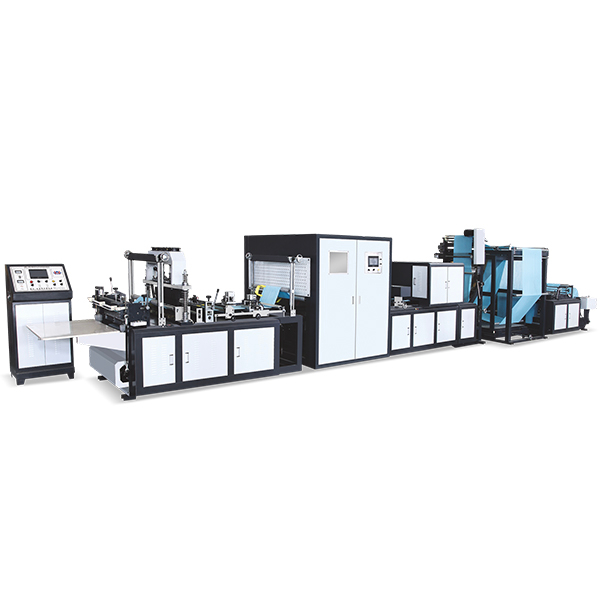
Sustainability drives innovation in nonwoven making machine manufacturing. Continuous advancements improve efficiency and product quality. Customer-centric solutions, including customization and strong support, enhance user experience. Market expansion offers new growth opportunities worldwide. Huabo’s nonwoven making machines provide reliable, energy-efficient solutions tailored to diverse production needs. Their commitment to innovation and service ensures valuable, long-term benefits for manufacturers seeking quality and sustainability in their operations. Huabo stands out as a trusted partner in this evolving industry.
A: A nonwoven making machine is equipment designed to produce nonwoven fabrics, including types like spunbond, meltblown, needle-punching, and spunlace. Common machines include nonwoven bag making machines and nonwoven fabric manufacturing machines, each suited for different applications such as medical, packaging, or automotive industries.
A: Consider production capacity, automation level, material compatibility, and after-sales support. Whether you need a nonwoven bag machine or a non woven fabric manufacturing machine, assessing these factors ensures you select a machine that balances efficiency, customization, and cost, including the nonwoven machine price.
A: After-sales support ensures timely maintenance, availability of spare parts, and operator training, reducing downtime and extending machine life.
A: The nonwoven machine price depends on production speed, automation features, energy efficiency, and customization options. Advanced machines with IoT integration or multi-component capabilities generally cost more but offer long-term savings and higher fabric quality.
A: Manufacturers vary in technology focus, customization, and sustainability.