Views: 0 Author: Site Editor Publish Time: 2026-03-26 Origin: Site


Plastic bags harm our planet, polluting oceans and landfills worldwide. Nonwoven bags offer a sustainable, reusable alternative. Nonwoven making machines produce these eco-friendly bags efficiently. In this post, you’ll learn why nonwoven bags replace plastic ones and how these machines support that shift.
Nonwoven bags are much stronger and more durable than traditional plastic bags. Made from bonded polypropylene fibers, these bags can carry heavier loads without tearing. Unlike single-use plastic bags, nonwoven bags are designed for repeated use over months or even years. This durability means fewer bags are needed overall, reducing waste. Their robust construction also makes them resistant to wear and tear, making them ideal for shopping, storage, and daily use.
One of the biggest advantages of nonwoven bags is their positive environmental impact. Plastic bags often end up in landfills or oceans, taking hundreds of years to decompose and causing pollution. Nonwoven bags, while not fully biodegradable, are recyclable and significantly reduce plastic waste by replacing disposable bags. Their reusability lowers the demand for single-use plastics, helping to cut down pollution and conserve resources. This shift supports global sustainability efforts and aligns with increasing environmental regulations.
Though nonwoven bags may cost more upfront than plastic bags, their long lifespan makes them more economical in the long run. Consumers save money by not needing to purchase disposable bags repeatedly. Businesses benefit from reduced packaging costs and avoid penalties linked to plastic bag bans or taxes. Additionally, nonwoven bags’ durability means fewer replacements, providing cost savings and a better return on investment.
Nonwoven bags offer excellent customizability. Businesses can print logos, slogans, or designs on these bags, turning them into effective marketing tools. Custom branding increases visibility and reinforces a company’s commitment to sustainability. This branding advantage is limited with plastic bags, which often have minimal or no customization options. Nonwoven bags help brands connect with eco-conscious consumers and stand out in a competitive market.
Many governments worldwide are imposing bans or taxes on single-use plastic bags to combat pollution. Nonwoven bags comply with these regulations, making them a practical alternative for retailers and consumers. Switching to nonwoven bags helps businesses avoid fines and align with environmental policies. This compliance is a key reason why nonwoven bags are rapidly replacing plastic bags in many regions.
Today’s consumers prefer products that are environmentally responsible. Nonwoven bags meet this demand by offering an eco-friendly alternative to plastics. Using these bags allows shoppers to reduce their environmental footprint, supporting a greener lifestyle. Businesses that provide nonwoven bags can attract and retain customers who value sustainability, enhancing brand loyalty.
Nonwoven bags are lightweight and easy to carry, making them convenient for everyday use. They resist water better than paper or plastic bags, protecting contents from moisture. Their versatility allows them to be used for shopping, travel, storage, and promotional events. Available in various sizes and styles, nonwoven bags adapt to many needs, combining practicality with environmental benefits.
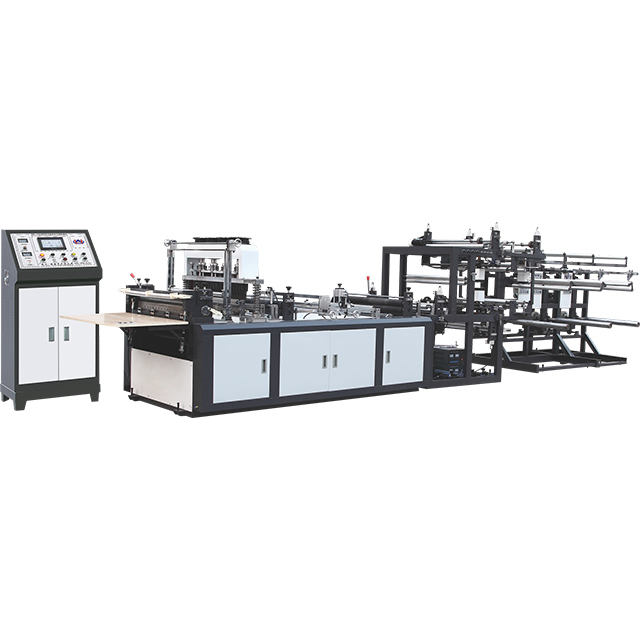
Nonwoven making machines come in various types, each designed to produce different kinds of nonwoven fabrics used in nonwoven bags. The main types include:
Spunbond Machines: These create strong, lightweight nonwoven fabrics by melting and spinning polypropylene fibers. They are ideal for producing durable nonwoven bags used in retail and grocery sectors.
Meltblown Machines: These produce finer fibers, often used in filtration products but can be combined with spunbond layers for enhanced bag properties.
Needle Punch Machines: These mechanically bond fibers to create thick, durable fabrics suitable for heavy-duty nonwoven bags.
Hydroentanglement Machines: Use high-pressure water jets to entangle fibers, producing soft yet strong nonwoven fabrics.
Each machine type plays a critical role in tailoring the fabric’s texture, strength, and durability to meet specific bag requirements.
Nonwoven making machines ensure consistent fiber bonding and fabric strength, which directly impacts the durability and longevity of nonwoven bags. By controlling parameters like fiber orientation and bonding intensity, these machines create bags that resist tearing and can carry heavier loads. This enhances the nonwoven bags’ advantages over plastic bags, making them more reusable and reliable for consumers.
Modern nonwoven making machines incorporate automation technology that streamlines production. Automated cutting, folding, and sealing reduce manual labor and increase output speed. This efficiency supports the growing nonwoven bag market by meeting high demand without compromising quality. Automation also allows for precise control over bag dimensions and features, improving product consistency.
Advanced nonwoven making machines are designed to minimize energy consumption and reduce material waste. Efficient heating systems and optimized fiber usage lower production costs and environmental impact. This aligns with the sustainability goals of nonwoven bags, reinforcing their environmental benefits compared to plastic bags. By reducing waste during manufacturing, these machines contribute to a greener production process.
Customization is a significant benefit of nonwoven bags, and modern machines support this by enabling various printing and finishing options. Nonwoven making machines can integrate with printing units to add logos, slogans, or designs directly onto the fabric. Additionally, machines can produce bags in different sizes, shapes, and handle types, catering to diverse business branding needs. This flexibility helps companies leverage nonwoven carry bags advantages for marketing and compliance with eco-friendly product trends.
Nonwoven bags are primarily made from polypropylene fibers bonded together through heat or chemical processes, forming a fabric-like material. This composition gives them strength and flexibility. In contrast, plastic bags are typically made from polyethylene, a thin, flexible plastic film. While plastic bags are lightweight, their material is not biodegradable and often ends up polluting landfills and oceans.
Nonwoven bags, although not fully biodegradable, offer significant environmental benefits. They are recyclable and designed for repeated use, reducing the volume of plastic waste generated. Their production and disposal have a lower environmental impact compared to single-use plastic bags, aligning with sustainability goals and regulatory demands.
One of the most notable differences between nonwoven bags and plastic bags is lifespan. Plastic bags are usually single-use and prone to tearing, limiting their usability. Nonwoven bags, however, are durable and built to last for months or even years. Their robust structure allows them to carry heavier loads repeatedly without damage, promoting reusability and reducing the need for frequent replacements.
This longevity translates into less waste and a smaller carbon footprint over time. Nonwoven bags encourage responsible consumer behavior by supporting multiple uses, unlike plastic bags that often become litter after one use.
While plastic bags are cheaper upfront, they incur higher costs over time due to their disposability. Consumers and businesses must continuously purchase or supply new plastic bags, which adds up. Nonwoven bags may have a higher initial cost but offer better value over time because of their durability and reusability.
Investing in nonwoven bags leads to long-term savings for both consumers and retailers. Businesses also avoid fines or taxes associated with plastic bag bans by switching to nonwoven alternatives. This cost-effectiveness makes nonwoven bags a smart economic choice in addition to their environmental benefits.
Plastic bags are notorious for their resistance to decomposition, often persisting in the environment for hundreds of years. This contributes to pollution and harms wildlife. Nonwoven bags, while not fully biodegradable, are recyclable and can be processed into new products, reducing landfill waste.
Recycling nonwoven bags requires proper collection and processing infrastructure, which is growing globally. Their recyclability, combined with reusability, greatly diminishes their environmental footprint compared to plastic bags. This makes nonwoven bags a more sustainable option in the packaging industry.
Plastic bags can release harmful chemicals, especially when exposed to heat or sunlight. These chemicals may contaminate food items or pose health risks. Nonwoven bags, made from polypropylene, are generally considered safer. They do not emit toxic substances and are suitable for carrying groceries, clothes, and other personal items.
Additionally, nonwoven bags are often water-resistant and washable, promoting hygiene and reducing contamination risks. This safety aspect adds to their appeal as an eco-friendly and consumer-friendly alternative to plastic bags.
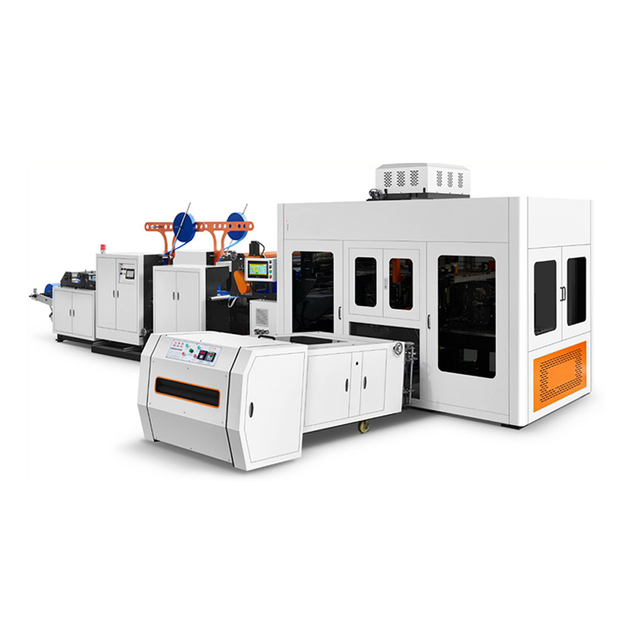
Nonwoven bags have become a staple in retail and grocery sectors. Their durability and reusability make them ideal for carrying groceries, clothes, and other purchases. Unlike plastic bags, nonwoven bags withstand heavier loads without tearing, reducing the need for multiple bags. Retailers appreciate their compliance with environmental regulations banning single-use plastics. Moreover, nonwoven bags’ lightweight design and water resistance make them convenient for consumers, enhancing the shopping experience while promoting sustainability.
Businesses leverage nonwoven bags as powerful marketing tools. Thanks to the easy customizability enabled by nonwoven making machines, companies print logos and slogans directly on the bags. This transforms simple carry bags into walking advertisements that reinforce brand identity and eco-friendly values. Customized nonwoven bags are popular giveaways at trade shows, conferences, and corporate events. They provide long-lasting visibility compared to disposable plastic bags, aligning brand messaging with growing consumer demand for sustainable products.
Nonwoven bags are widely used in event management for distributing materials and souvenirs. Their versatility allows event organizers to choose sizes and styles that fit the occasion, whether conferences, weddings, or sports events. These bags are durable enough to hold brochures, gifts, and promotional items. Their environmental benefits also appeal to organizers aiming to reduce waste and demonstrate corporate social responsibility. Using nonwoven bags at events helps promote sustainability while offering attendees practical, reusable items.
For everyday consumers, nonwoven bags serve multiple purposes beyond shopping. They are popular as reusable totes for carrying books, gym gear, or picnic supplies. Their water resistance and durability make them suitable for travel and storage, protecting items from moisture and wear. Nonwoven bags also provide an eco-friendly alternative for gift wrapping or organizing household items. Their availability in various sizes and designs ensures they meet diverse lifestyle needs while supporting sustainable habits.
Nonwoven bags find specialized applications in healthcare and hospitality sectors. Hospitals and pharmacies use them to package medications and medical supplies safely. Their hygienic, water-resistant properties help maintain cleanliness and prevent contamination. In hospitality, hotels and resorts offer nonwoven bags as laundry bags or welcome kits, aligning with their sustainability goals. These sectors benefit from the bags’ durability and eco-friendly image, enhancing operational efficiency and customer satisfaction.
Nonwoven making machines play a crucial role in helping manufacturers meet stringent environmental regulations. As governments worldwide impose bans and restrictions on single-use plastic bags, producing compliant nonwoven bags becomes essential. Modern machines ensure consistent fabric quality and durability, enabling businesses to create bags that satisfy regulatory standards. These machines facilitate the production of recyclable and reusable nonwoven bags, supporting legal compliance while promoting eco-friendly alternatives to plastic.
Efficiency is key to sustainability, and nonwoven making machines excel in reducing the carbon footprint of bag manufacturing. Advanced equipment optimizes energy use with efficient heating systems and precise fiber bonding, minimizing waste material. This reduces raw material consumption and lowers emissions associated with production. By streamlining processes and cutting down on scrap, these machines contribute to a greener manufacturing footprint, aligning with nonwoven bags’ environmental benefits.
The global shift toward sustainable packaging drives rapid growth in the nonwoven bag market. Nonwoven making machines enable manufacturers to scale production quickly and reliably. Automation features reduce labor costs and increase output speeds without sacrificing quality. This scalability ensures businesses can satisfy rising consumer demand for eco-friendly bags while maintaining competitive pricing. Efficient production capacity supports widespread adoption of nonwoven bags, further decreasing plastic bag reliance.
By integrating advanced nonwoven making machines, manufacturers support both local and global sustainability initiatives. Producing reusable, recyclable nonwoven bags helps reduce plastic pollution and landfill waste. This aligns with corporate social responsibility goals and international environmental commitments. Moreover, efficient production methods foster economic growth by creating jobs in green industries. Together, these factors drive a positive impact on communities and the planet.
Selecting the ideal nonwoven making machine is crucial for businesses aiming to capitalize on the nonwoven bag market growth. The right machine not only boosts production efficiency but also enhances the quality and customization of nonwoven bags, helping companies meet consumer demands and regulatory requirements.
When choosing a nonwoven making machine, consider its production speed and capacity. High-speed machines can meet large orders quickly, essential for scaling operations. The machine’s size should fit your facility and production goals. Automation level also matters; fully automated machines reduce manual labor, minimize errors, and increase consistency in bag quality. Semi-automated options might suit smaller businesses with limited budgets.
While initial investment in a nonwoven making machine may seem high, it often leads to long-term savings. Durable machines reduce downtime and maintenance costs. Efficient fiber usage lowers material waste, cutting expenses. Over time, producing reusable nonwoven bags becomes more cost-effective than relying on single-use plastics. Investing wisely ensures your business stays competitive and profitable.
Modern nonwoven making machines offer advanced customization capabilities. Integrated printing units allow high-quality logos and designs directly on bags, boosting brand visibility. Adjustable settings enable production of various bag sizes, handle styles, and fabric weights. These features help businesses tailor products to diverse markets and consumer preferences, leveraging nonwoven shopping bags benefits fully.
Good after-sales support is vital. Choose manufacturers that provide technical consulting, training, and timely maintenance services. This support ensures machines operate efficiently and adapt to evolving production needs. Reliable customer service minimizes downtime and maximizes return on investment, especially important as nonwoven bag market growth accelerates.
Many companies have successfully expanded by investing in the right nonwoven making machines. For example, a retail packaging firm increased output by 40% after upgrading to a fully automated machine with integrated printing. Another business reduced material waste by 25% using energy-efficient equipment with precise fiber control. These examples highlight how machine selection impacts profitability and sustainability.
The global push toward sustainability is driving a surge in demand for eco-friendly packaging solutions. Nonwoven bags have become a top choice due to their durability, reusability, and environmental benefits. As plastic bag bans and restrictions spread worldwide, businesses and consumers seek alternatives that align with green values. This growing market demand fuels the need for efficient nonwoven making machines that can produce high-quality bags at scale. Manufacturers investing in these machines are well-positioned to meet the rising call for sustainable packaging and capitalize on the expanding nonwoven bag market growth.
Advancements in nonwoven making machine technology are transforming bag production. Modern machines feature automation, precise fiber control, and integrated printing capabilities. These innovations improve fabric quality, enhance durability, and enable customization for branding. Energy-efficient designs reduce production costs and environmental impact. For example, new bonding technologies create stronger fabrics with less material waste. Such progress supports the production of nonwoven bags that outperform plastic alternatives in durability and sustainability. Staying updated with technological trends allows manufacturers to maintain a competitive edge and deliver superior products.
Nonwoven making machines increasingly support circular economy principles by enabling recyclable and reusable bag production. Efficient machines minimize material waste and energy consumption during manufacturing. They also facilitate the use of recycled polypropylene fibers, closing the loop on resource use. This integration helps reduce the carbon footprint associated with bag production and disposal. By adopting circular economy practices, businesses contribute to waste reduction and resource conservation. Nonwoven bags produced with advanced machines thus play a vital role in sustainable manufacturing and environmental stewardship.
With governments enforcing stricter environmental regulations and consumers demanding eco-friendly products, the nonwoven bag market is poised for significant growth. Manufacturers who invest in state-of-the-art nonwoven making machines can scale production to meet diverse industry needs—from retail and grocery sectors to healthcare and hospitality. The ability to customize bags for branding and compliance further opens new business avenues. Moreover, efficient production lowers costs, making nonwoven bags more accessible globally. These factors combine to create lucrative opportunities for manufacturers ready to embrace sustainability-driven innovation.
Nonwoven bags offer durability, reusability, and environmental benefits over plastic bags, reducing waste and pollution. Advanced nonwoven making machines ensure high-quality, customizable bags that meet growing demand efficiently. Businesses and consumers are encouraged to adopt these eco-friendly alternatives to support sustainability and comply with regulations. Embracing innovation in nonwoven production drives a greener future. For reliable, efficient solutions, trust Huabo to provide state-of-the-art machines that enhance sustainable manufacturing and product value.
A: A nonwoven making machine ensures strong fiber bonding and fabric consistency, producing durable nonwoven bags that resist tearing and carry heavier loads. This durability is a key nonwoven bags advantage over plastic bags, making them reusable and long-lasting.
A: Nonwoven bags reduce plastic waste due to their reusability and recyclability. Nonwoven making machines produce these bags efficiently with minimal material waste, supporting nonwoven bags sustainability and lowering environmental impact compared to single-use plastic bags.
A: Yes, modern nonwoven making machines integrate printing and finishing options that allow businesses to add logos and designs, leveraging nonwoven shopping bags benefits and nonwoven carry bags advantages for marketing while promoting eco-friendly products.
A: Though the initial cost may be higher, nonwoven making machines produce durable, reusable nonwoven bags that reduce the need for frequent replacements. This leads to nonwoven bags cost-effectiveness over time for consumers and businesses compared to disposable plastic bags.
A: Nonwoven bags, produced by nonwoven making machines, are recyclable and designed for multiple uses, significantly reducing plastic pollution. Their environmental benefits and recyclability align with growing regulations and sustainability goals, unlike most plastic bags.