Views: 0 Author: Site Editor Publish Time: 2026-02-11 Origin: Site


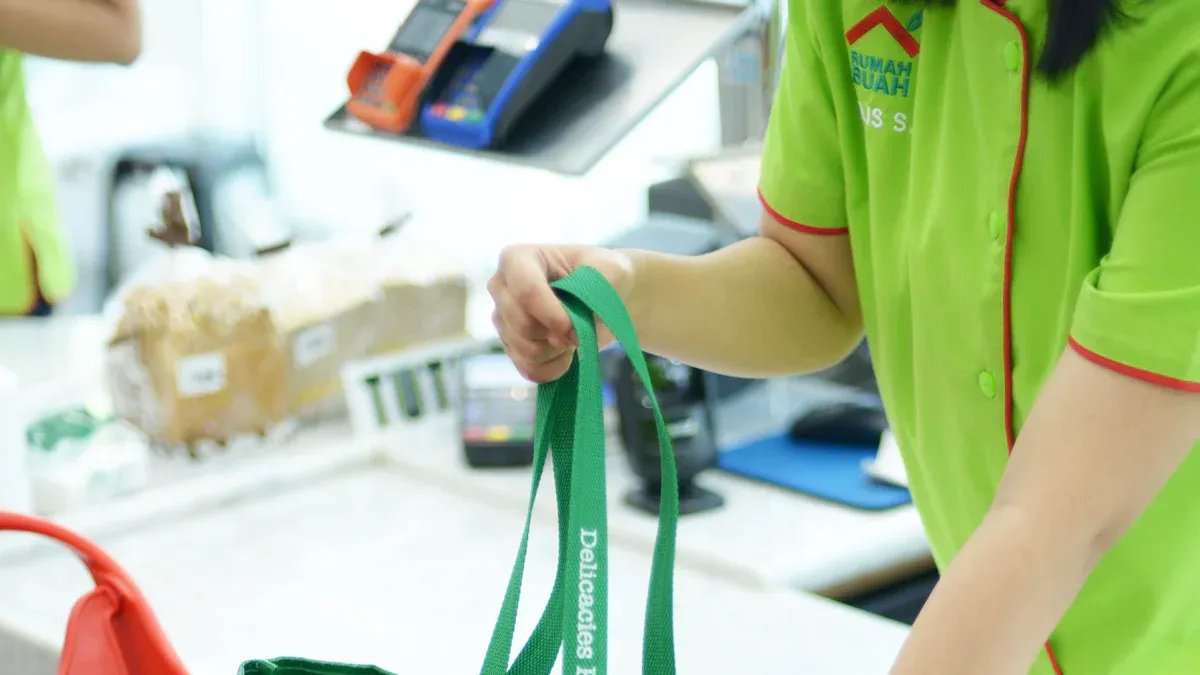
You want the best eco-friendly bags for your business. Spunbond polypropylene stands out as the top non-woven choice. This material delivers impressive performance because it is 100% recyclable, giving you a sustainable solution that avoids landfill waste. You enjoy bags that last for months or years, which means you cut down on single-use plastics and boost sustainability. Spunbond polypropylene uses less energy and fewer resources during production, lowering the carbon footprint and enhancing eco-friendliness. When you follow the Non Woven Material guide, you secure durability and performance for every application. Choosing the right non-woven material ensures you meet your sustainability goals and maximize performance.
Spunbond polypropylene is the top choice for eco-friendly bags due to its durability and recyclability.
Select non-woven materials based on durability, load capacity, and environmental impact to meet your sustainability goals.
Higher gsm ratings indicate stronger bags; choose 150 gsm or higher for heavy-duty applications.
Recyclable non-woven materials support a circular economy and help reduce landfill waste.
PLA non-woven materials are 100% biodegradable, making them a great option for eco-conscious brands.
Consider usability features like printability and water resistance to enhance customer satisfaction.
Choose suppliers with strong quality control and eco-friendly practices to ensure high-quality products.
Always ask about end-of-life options for your bags to promote sustainability and reduce environmental impact.
When you follow a non woven material guide, you make smarter choices for your eco-friendly bags. You want bags that last, look great, and support your sustainability goals. This section helps you understand the most important factors when selecting non-woven materials.
You need bags that stand up to daily use. Tear resistance is a key part of the non woven material guide. High-quality non-woven materials use strong fibers and advanced bonding. This gives your bags the strength to resist rips and tears. You can boost durability by choosing thicker fabrics and adding reinforcements to handles and bottoms. Coatings like water-resistant or anti-UV finishes also help your bags last longer.
You want your bags to carry everything your customers need. The gsm (grams per square meter) rating in the non woven material guide tells you how much weight a bag can handle. Check out this table to match gsm to your bag’s purpose:
GSM Range | Description | Suitable Uses |
|---|---|---|
60-80 GSM | Lightweight, for light duties | Promotional giveaways |
80-120 GSM | Medium-weight, good durability and value | General shopping |
150 GSM or higher | Heavy-duty, handles large loads | Grocery shopping, heavy items |
Choose a higher gsm for bags that need to carry more weight. Huabo Machinery’s Nonwoven Bag Making Machine works with a wide range of gsm, so you can create bags for any application.
You care about the planet. The non woven material guide shows that most non-woven polypropylene bags are not biodegradable and can take up to 30 years to break down. If you want a faster option, PLA non-woven materials are 100% biodegradable and come from renewable resources like corn starch.
You can help reduce landfill waste by choosing recyclable non-woven materials. Polypropylene non-woven bags are 100% recyclable. When you use these bags, you support a circular economy and show your customers you care about the environment.
You want to lower your environmental footprint. Non-woven bags use less energy and water than paper bags. They also last longer than traditional plastic bags, so you replace single-use options with reusable, sustainable solutions.
Tip: Non-woven materials need to be reused only 11 times to offset their environmental impact compared to regular plastic bags.
You want value for your investment. Non-woven materials are made from affordable synthetic fibers like polypropylene. This keeps costs low, especially when you order in bulk. Compared to cotton or leather, non-woven bags offer a much better price for promotional and retail use.
You save money with non-woven bags because the manufacturing process is efficient and highly automated. Huabo Machinery’s Nonwoven Bag Making Machine lets you produce many bag types quickly, reducing labor costs and boosting your bottom line.
When you use this non woven material guide, you can customize non-woven materials for any need. Adjust gsm, texture, and coatings to match your brand and your customers’ expectations. Huabo Machinery’s machines handle all popular non-woven fabrics, so you get flexibility and quality with every order.
When you select a non-woven material for your eco-friendly bags, you want more than just strength and sustainability. Usability matters. You want bags that look appealing, feel comfortable, and showcase your brand with vibrant prints. Let’s explore the key usability aspects you should consider.
Your brand deserves to stand out. Non-woven materials offer excellent printability, allowing you to display logos, slogans, and colorful designs with clarity. You can choose from screen printing, heat transfer, or digital printing methods. Each method works well on non-woven fabrics, so you get sharp, eye-catching results. This flexibility helps you create promotional bags that attract attention and boost your brand image. Huabo Machinery’s Nonwoven Bag Making Machine supports all popular printing techniques, making it easy for you to customize every bag to your exact needs.
Tip: Use high-quality inks and precise printing methods to ensure your designs stay vibrant, even after repeated use.
You want your bags to feel pleasant and look professional. Non-woven materials come in a range of textures, from smooth and soft to sturdy and structured. You can select a finish that matches your brand’s style, whether you prefer a matte or glossy look. The right feel and appearance make your bags more appealing to customers and encourage repeated use. You can also choose colors that align with your branding, creating a cohesive and attractive product line.
Choose a bag size and capacity that fits your needs without being too bulky.
Look for reinforced seams and sturdy handles to ensure your bag can handle daily use.
Consider features like foldability, extra pockets, and secure closures to enhance practicality.
These usability features make non-woven bags a smart choice for retail, grocery, and promotional applications.
You want your bags to protect contents from spills and rain. Non-woven materials offer natural water resistance, especially when you add special coatings. This feature keeps groceries, clothing, and other items safe and dry. Water-resistant non-woven bags are perfect for outdoor events, shopping, and everyday errands. Huabo Machinery’s machines can process non-woven fabrics with water-repellent finishes, so you deliver reliable performance in any weather.
Customers appreciate bags that keep their belongings safe and dry. Water resistance adds value and increases satisfaction.
When you focus on usability, you create non-woven bags that customers love to use again and again. You get the perfect blend of function, style, and durability—every time.
You want to choose the right non-woven fabric for your eco-friendly bags. Understanding the types of non-woven fabrics and their properties helps you make the best decision for your business. Let’s explore the core properties of non-woven fabric and see how each option fits your needs.
Polypropylene stands out as one of the most popular types of non-woven fabrics. You get a lightweight, durable, and cost-effective solution for packaging, filtration, and disposable protective equipment. Polypropylene offers strong filtration efficiency and resists moisture, making it ideal for high-performance non-woven fabrics.
Spunbond fabric uses a process that bonds polypropylene fibers together. You get a fabric with excellent strength and durability. Spunbond fabric works well for reusable shopping bags, packaging, and filtration. You can select gsm ranges from 60 to 150, depending on your application. Lower gsm spunbond fabric suits lightweight promotional bags, while higher gsm spunbond fabric supports heavy-duty grocery bags. Spunbond fabric also provides a smooth surface for printing, so your branding stands out. Huabo Machinery’s Nonwoven Bag Making Machine handles spunbond fabric with ease, letting you create a wide range of bag types.
Meltblown fabric uses a different process to create ultra-fine fibers. You get a fabric with superior filtration properties. Meltblown fabric is essential for applications like medical masks, air filtration, and packaging that requires a barrier against particles. While spunbond fabric gives you strength, meltblown fabric delivers filtration. You can combine spunbond and meltblown layers for advanced filtration and durability. This combination is common in high-performance non-woven fabrics.
Tip: The key differences between spunlace and spunbond come from their manufacturing process and end-use. Spunbond fabric is stronger and more durable, while spunlace fabric is softer and better for wipes.
Polyester non-woven fabric offers you another strong choice. Virgin PET provides excellent durability, wrinkle resistance, and quick-dry properties. You can use PET for packaging, filtration, and specialty bags. Recycled PET (rPET) lets you support sustainability by using post-consumer plastics. Both types of PET non-woven fabric work well with Huabo Machinery’s Nonwoven Bag Making Machine.
Virgin PET spunbond fabric gives you a smooth, strong material. You can use it for packaging, filtration, and reusable bags. The gsm range for PET spunbond fabric usually falls between 60 and 120, making it versatile for many applications.
Recycled PET spunbond fabric helps you reduce waste and promote eco-friendly packaging. You get the same durability and performance as virgin PET, but with a lower environmental impact. rPET spunbond fabric is perfect for brands that want to highlight sustainability.
PLA spunbond fabric comes from renewable resources like corn starch. You get a biodegradable non-woven fabric that breaks down faster than traditional plastics. PLA spunbond fabric works well for packaging, disposable protective equipment, and specialty bags. You can use PLA spunbond fabric with Huabo Machinery’s Nonwoven Bag Making Machine to create eco-friendly products.
Here’s a quick comparison of properties and uses:
Fabric Type | GSM Range | Key Properties | Typical Use |
|---|---|---|---|
Polypropylene | 60–150 | Hydrophobic, fast-dry | Packaging, filtration, bags |
Polyester (PET) | 60–120 | Quick-dry, wrinkle-free | Packaging, filtration |
PLA | 60–120 | Biodegradable, compostable | Packaging, specialty bags |
Huabo Machinery’s Nonwoven Bag Making Machine supports all these high-performance non-woven fabrics. You can create bags for packaging, filtration, and more. You stay ahead by choosing emerging innovations in non-woven materials.
You want your eco-friendly bags to stand out with a premium feel and natural appeal. Cotton/viscose blends give you a soft, breathable, and attractive option. This non-woven fabric combines cotton’s comfort with viscose’s smooth texture. You get bags that feel gentle to the touch and look stylish. Cotton/viscose blends work well for fashion bags, gift packaging, and specialty retail. You can select gsm ranges from 80 to 150, depending on your needs. Higher gsm means stronger bags for heavier items.
You benefit from cotton/viscose blends because they support sustainability. Cotton is a renewable resource. Viscose comes from plant fibers. This non-woven fabric breaks down faster than synthetic options. You show your customers that you care about the environment and quality. You can print vibrant designs on cotton/viscose blends. Your brand stands out with clear logos and patterns. Huabo Machinery’s Nonwoven Bag Making Machine handles cotton/viscose blends with precision. You produce bags that meet high standards for both appearance and durability.
Tip: Choose cotton/viscose blends for luxury bags or when you want a natural look and feel. These blends attract customers who value eco-friendly products.
You want to maximize sustainability and reduce waste. Recycled non-woven materials help you achieve these goals. This non-woven fabric uses post-consumer or post-industrial fibers. You turn waste into valuable products. Recycled non-woven materials include recycled polypropylene, polyester, and blends. You get bags that perform well and support a circular economy.
You can select gsm ranges from 60 to 120 for recycled non-woven fabric. Lower gsm works for lightweight promotional bags. Higher gsm suits shopping and grocery bags. You show your commitment to the environment by using recycled content. Customers appreciate your efforts to minimize landfill waste. You can print on recycled non-woven fabric with excellent results. Your designs stay sharp and vibrant.
Huabo Machinery’s Nonwoven Bag Making Machine is compatible with recycled non-woven materials. You produce bags efficiently and maintain quality. You expand your product line with eco-friendly options. You attract environmentally conscious customers and boost your brand reputation.
Material Type | GSM Range | Key Benefits | Typical Uses |
|---|---|---|---|
Cotton/Viscose Blends | 80–150 | Soft, natural, biodegradable | Fashion, gift, specialty |
Recycled Non-Woven | 60–120 | Sustainable, recyclable | Grocery, promo, retail |
Customers trust brands that use recycled non-woven fabric. You lead the way in eco-friendly packaging.
You want to make the smartest choice for your eco-friendly bags. Comparing the main types of non-woven materials helps you see which one fits your needs best. The table below gives you a clear overview of how each material performs in durability, environmental impact, cost, and usability.
Material | Durability | Environmental Impact | Cost Range | Usability |
|---|---|---|---|---|
Polypropylene | High | Recyclable, not biodegradable, low resource use | Low | Lightweight, customizable, water-repellent |
Polyester | High | Non-biodegradable, microplastics, higher pollution | $2 - $10 per yard | Versatile, used in many industries |
Recycled Polyester | Comparable to virgin | Lower impact, reduces virgin resource use | 10-20% higher than virgin | Sustainable, similar to polyester |
PLA | Moderate | Biodegradable, compostable, renewable resources | Moderate to high | Good for specialty and disposable bags |
Cotton/Viscose Blends | Moderate | Biodegradable, renewable, natural appeal | Higher | Soft, premium feel, great for fashion bags |
Recycled Non-Woven | Moderate to high | Sustainable, supports circular economy | Moderate | Suitable for many bag types, eco-friendly |
You can see that polypropylene stands out for its balance of strength, cost, and recyclability. PLA and cotton/viscose blends offer you better biodegradability, but usually at a higher price. Recycled options let you show your commitment to sustainability and attract eco-conscious customers.
You want your bags to deliver top performance and support your brand’s green goals. Each non-woven material brings unique strengths and some trade-offs. Here’s a quick summary to help you decide:
Polypropylene
Strengths: Excellent tear resistance, long service life, lightweight, water-repellent, easy to clean, highly customizable.
Weaknesses: Made from synthetic fibers, resists decomposition, can take decades to break down, requires specialized recycling, may fragment into microplastics.
Polyester & Recycled Polyester
Strengths: High durability, versatile, maintains shape, recycled version lowers environmental impact.
Weaknesses: Non-biodegradable, can release microplastics, higher pollution during production, recycled version costs more.
PLA
Strengths: Biodegradable, compostable, made from renewable resources, good for single-use or specialty bags.
Weaknesses: Less durable than synthetic options, higher cost, limited heat resistance.
Cotton/Viscose Blends
Strengths: Soft, natural feel, biodegradable, premium appearance, renewable resources.
Weaknesses: Higher cost, moderate durability, may absorb moisture.
Recycled Non-Woven
Strengths: Supports circular economy, reduces waste, good durability, eco-friendly image.
Weaknesses: Quality can vary, sometimes higher cost, limited recycling markets.
When you choose the right non-woven material, you give your customers bags that last, look great, and support the planet. You also position your brand as a leader in sustainability. For most applications, polypropylene non-woven fabric gives you the best mix of performance, cost, and environmental responsibility. If you want to highlight biodegradability or a luxury feel, consider PLA or cotton/viscose blends. Recycled non-woven materials help you close the loop and show your commitment to a greener future.
You have the power to make a difference with every bag you produce. Choose wisely, and your non-woven bags will stand out in the market.
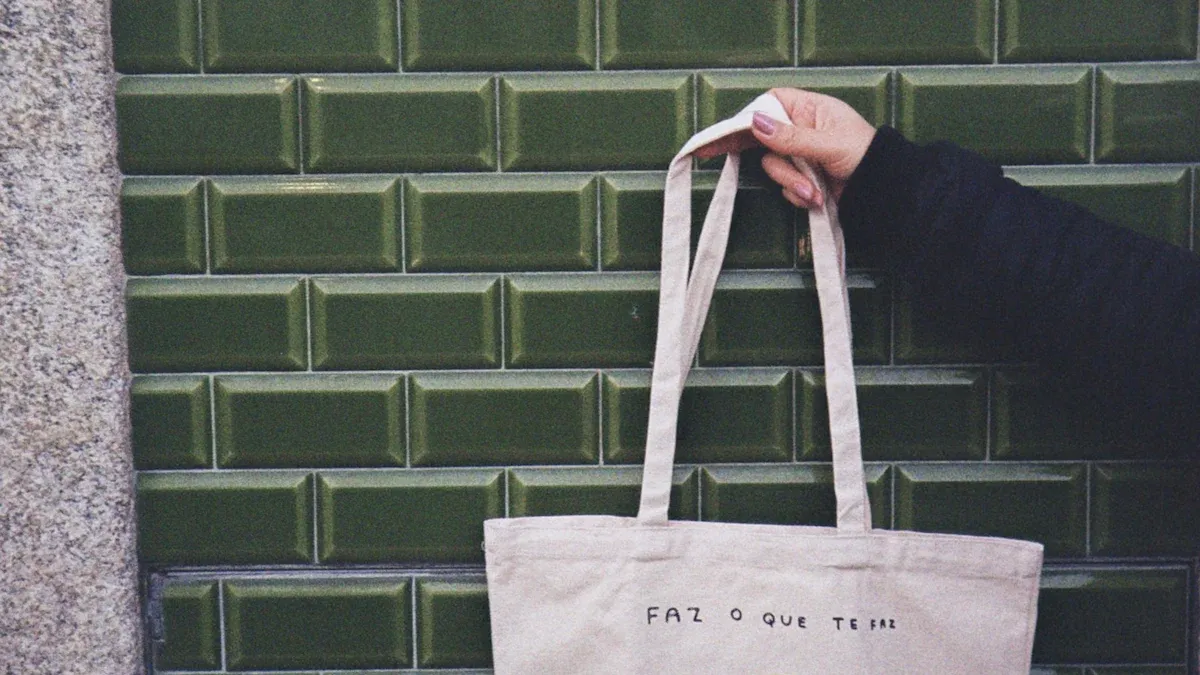
You want grocery bags that handle heavy loads, last for months, and support your sustainability goals. Non-woven polypropylene stands out as the best material for these applications. You get bags that resist tearing and hold more weight than traditional plastic bags. You also reduce your environmental impact because these bags use recyclable materials and last much longer than single-use options.
Non-woven polypropylene bags offer impressive durability for daily grocery runs.
You can reuse these bags many times, which saves you money and reduces waste.
Their strength means you do not need to replace them often, making them a smart investment.
Huabo Machinery’s Nonwoven Bag Making Machine gives you a competitive edge in grocery bag applications. You can produce thousands of bags per hour with high-speed operation. The machine’s advanced automation and multifunctional features let you create different bag styles for various applications. You also benefit from high-accuracy printing, so your branding looks sharp and professional on every bag.
Feature | Description |
|---|---|
High-speed operation | Produce 1500–3500 bags per hour with adjustable speed. |
High-accuracy printing | Automatic tracing and color overprint for vibrant branding. |
Multifunctional operation | Create multiple bag types for different applications. |
Advanced automation | Automatic bag collecting and ink roller separation for efficiency. |
Tip: Choose non-woven polypropylene for grocery bag applications if you want the best mix of durability, cost savings, and environmental responsibility.
You want promotional bags that showcase your brand and support eco-friendly applications. Recycled non-woven materials work best for these applications. You help the environment by reducing the need for single-use plastic bags. These bags are reusable and recyclable, which means you lower your carbon footprint and promote a circular economy.
Non-woven bags made from polypropylene or recycled fibers give you strong, attractive options for promotional applications. You can print your logo, slogan, or campaign message in bold colors. The durability of these bags means your brand stays visible for a long time, increasing your marketing impact.
You also save money because non-woven bags last longer and do not need frequent replacement. Their cost-effectiveness makes them ideal for large-scale promotional applications, such as trade shows, events, and giveaways. Huabo Machinery’s Nonwoven Bag Making Machine lets you produce these bags efficiently, with high-speed output and precise printing for all your applications.
Customers appreciate promotional bags that they can use again and again. You build brand loyalty and show your commitment to sustainability with every bag.
You want fashion bags that stand out in both appearance and performance. For these applications, you should choose non-woven materials like PP spunbond with BOPP lamination or PET spunbond. These materials give you a premium look and feel, perfect for retail, gift, and specialty applications.
Material | Best at | Print behavior | Weather and heat | End of life and notes |
|---|---|---|---|---|
PP spunbond with BOPP | Photo-quality branding, retail | High-res gravure/offset print | Stain-resistant, wipe clean | Mono-material recycling possible |
PET spunbond | Sharp edges, stability | Strong color hold, heat transfer | Higher heat resistance | Recyclable, use rPET for more sustainability |
You benefit from lower production costs with non-woven polypropylene compared to woven materials. The continuous resin-to-roll process reduces labor and raw material use, so you get high-quality fashion bags at a lower price. Automated production also means you can meet demand quickly for all your applications.
Non-woven fashion bags offer a soft touch and vibrant prints for premium applications.
You can customize finishes, colors, and sizes to match your brand’s style.
These bags resist stains and moisture, making them practical for everyday applications.
Choose non-woven materials for fashion bag applications if you want to impress customers with style, durability, and eco-friendly values.
You need bags that can handle the toughest jobs. Heavy-duty bags must carry large loads, resist tearing, and last through repeated use. You want a material that stands up to stress and keeps your products safe. When you choose the right non-woven material, you deliver reliability and strength your customers can trust.
Let’s compare the top materials for heavy-duty bags. You want to see which one offers the best load capacity and tear resistance:
Material | Load Capacity | Tear Resistance |
|---|---|---|
Heavy Cotton Canvas | High | High |
Jute | Moderate | Moderate |
Oxford Fabric | High | High |
rPET | Moderate | High |
Heavy cotton canvas and oxford fabric give you the highest performance. These materials support heavy groceries, tools, or industrial products. You get bags that do not rip or stretch under pressure. rPET also offers strong tear resistance, so you can choose it for eco-friendly heavy-duty bags.
You want your bags to last. You want your brand to stand out for quality. Heavy-duty non-woven bags made from these materials help you achieve both goals. You can use them for shopping, delivery, or industrial packaging. Customers will reuse these bags many times, which means your brand stays visible and your environmental impact drops.
You also want efficient production. Huabo Machinery’s Nonwoven Bag Making Machine gives you the power to produce heavy-duty bags at scale. You save time and money with advanced automation and high-speed output. You can customize bag size, handle type, and printing to match your market needs. The machine supports a wide range of non-woven fabrics, including heavy cotton canvas, oxford fabric, and rPET.
Here’s how Huabo Machinery’s technology supports your business:
Feature | Description |
|---|---|
You produce more bags in less time, meeting high demand with ease. | |
Customization | You adjust bag features for different retail or industrial uses, increasing your market reach. |
Low Operational Costs | You keep expenses down, making heavy-duty bags affordable for your customers. |
Durability & Sustainability | You offer bags that last and support eco-friendly values, building trust with your audience. |
Tip: Choose heavy cotton canvas or oxford fabric for the strongest heavy-duty bags. Use rPET when you want to highlight sustainability without sacrificing performance.
You want to lead your market with bags that deliver strength, value, and a green message. Invest in the right non-woven material and let Huabo Machinery’s Nonwoven Bag Making Machine do the rest. Your customers will notice the difference.
You want the best results for your eco-friendly bags. Choosing the right supplier for non-woven materials makes a big difference in quality, cost, and sustainability. Use this checklist to guide your decision:
Check for strong quality control and consistency in every batch.
Look for a wide product range and options for customization.
Choose suppliers who invest in innovation and the latest technology.
Pick companies with years of experience in nonwoven fabric production.
Confirm the supplier can meet your demand and deliver on time.
Ask about quality assurance and certifications.
Consider suppliers with eco-friendly practices and ethical standards.
Request client references and read reviews for reliability.
Value clear communication and responsive customer service.
If you operate globally, select suppliers with international reach.
You want a partner who understands the needs of the medical, hygiene, and healthcare industries. Reliable suppliers help you produce bags for retail, medical supplies, and even healthcare and hygiene applications.
Certifications show your commitment to safety, quality, and sustainability. They matter for medical, hygiene, and food-related bags. Use this table to understand the most important certifications for non-woven materials:
Certification | Description |
|---|---|
Oeko-Tex | Tests textiles for harmful substances, ensuring product safety. |
GRS | Sets requirements for recycled content and environmental practices. |
Fairtrade | Ensures fair labor practices and sustainable production. |
REACH Compliance | Ensures chemical safety in products. |
GOTS | Certifies organic textiles and sustainable production. |
CMIA | Focuses on sustainable cotton production. |
FSC | Promotes responsible forest management. |
LFGB | Ensures food safety in materials. |
BRC | Ensures safety and quality in food packaging. |
Biomaster | Provides antimicrobial protection. |
BCI | Promotes better cotton farming practices. |
You want to see these certifications when you buy non-woven materials for medical, hygiene, or food packaging. They give you peace of mind and help you meet industry standards.
You care about what happens to your bags after use. Non-woven polypropylene bags are recyclable. You can send them to recycling facilities, where they become new products. This reduces waste and supports a circular economy. Many medical supplies and hygiene products use recyclable non-woven materials, making them a smart choice for sustainability.
Compostable bags offer another solution. These bags break down in composting facilities under the right conditions. Heat, moisture, and microbes help them turn into natural materials. Compostable bags work well for disposable medical and hygiene applications. You support the environment by choosing bags that return to nature.
You want to make the best choice for your business and the planet. Always ask your supplier about recycling or composting options for your non-woven bags. If you need help selecting the right material or machine for your application, contact Huabo Machinery. You get expert advice, support for medical, healthcare, and hygiene bag production, and access to advanced technology for all your needs.
Tip: The right supplier, certifications, and end-of-life plan help you lead in sustainability and performance. Take action now to secure your place in the eco-friendly market.
You want the best eco-friendly bag. Polypropylene (PP) stands out for its strength, low cost, and recyclability. Recycled materials also help you reduce waste and attract eco-conscious buyers.
Polypropylene (PP): Strong, affordable, recyclable
Recycled materials: Sustainable, waste-reducing
Sometimes, you need alternatives. For medical or filtration uses, meltblown fabric works better.
Fabric Type | Applications | Key Features |
|---|---|---|
Spunbond | Heavy-duty packaging | Reusable, recyclable |
Meltblown | Medical, filtration, PPE | High filtration, moisture resistance |
Balance sustainability, performance, and cost. Consult suppliers or request samples to find your perfect fit.
You get the best results with spunbond polypropylene. This material offers durability, low cost, and full recyclability. You can trust it for everyday shopping, promotions, and retail.
Yes! You can print vibrant logos and designs on non-woven bags. Huabo Machinery’s Nonwoven Bag Making Machine supports multiple printing methods for sharp, lasting results.
Most non-woven bags resist water. You can add special coatings for extra protection. Your customers will appreciate bags that keep contents dry during rain or spills.
You can reuse quality non-woven bags over 100 times. Their strength and tear resistance make them a smart, sustainable choice for daily use.
PLA and cotton/viscose blends break down naturally. You choose these materials when you want compostable or biodegradable bags for your eco-friendly brand.
Absolutely! You can select recycled polypropylene or rPET for your bags. These options help you reduce waste and promote a circular economy.
You can produce T-shirt, D-cut, handle loop, drawstring, zipper, and specialty bags with Huabo Machinery’s Nonwoven Bag Making Machine. You get flexibility for every market.
You match gsm to your bag’s purpose. Use 60–80 gsm for lightweight promos, 80–120 gsm for shopping, and 150 gsm or higher for heavy-duty bags. You ensure strength and value.