Views: 0 Author: Site Editor Publish Time: 2026-02-11 Origin: Site


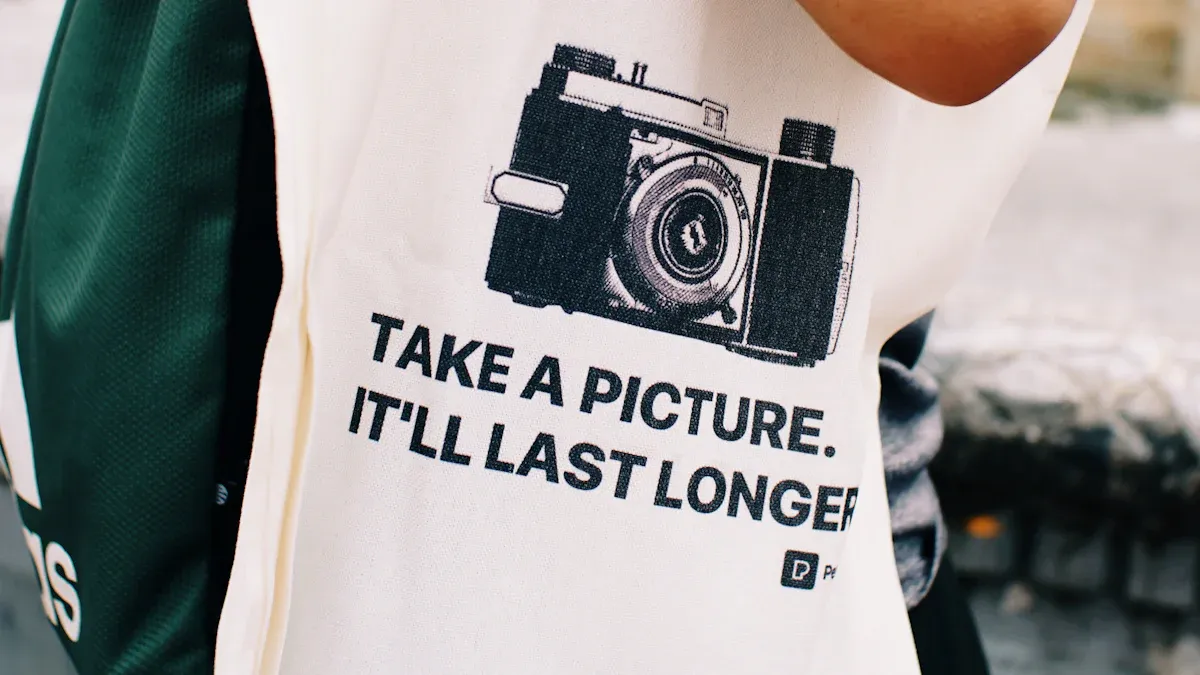
Trends in the nonwoven bag market shape how businesses and consumers make choices. Technology drives rapid changes, and sustainability influences buying decisions. Market size continues to grow, as shown below:
Year | Market Size (in millions) | CAGR (%) |
|---|---|---|
2025 | 4,210 | N/A |
2031 | 6,922 | 7.5 |
Advanced machinery, such as Huabo Machinery, plays a vital role in meeting Nonwoven Bag Market Needs. Production efficiency improves, and eco-friendly practices become standard. Regional differences affect demand, and versatility in nonwoven bag styles supports expansion. Consider how these trends may impact your strategies or purchasing decisions.
Sustainability is a major driver in the nonwoven bag market. Companies must adopt eco-friendly practices to meet consumer demand.
Advanced machinery, like Huabo's Nonwoven Bag Making Machine, enhances production efficiency and supports customization.
Nonwoven bags are versatile and suitable for various industries, including retail, healthcare, and food packaging.
Regulatory changes are pushing businesses to switch from single-use plastics to nonwoven alternatives, creating new market opportunities.
Consumer preferences are shifting towards reusable and recyclable products, making nonwoven bags a popular choice.
Investing in technology and automation can significantly reduce production costs and improve product quality.
The nonwoven bag market is projected to grow steadily, driven by increasing awareness of environmental issues and regulatory pressures.
Businesses that offer customized nonwoven bags can enhance brand visibility and appeal to eco-conscious consumers.
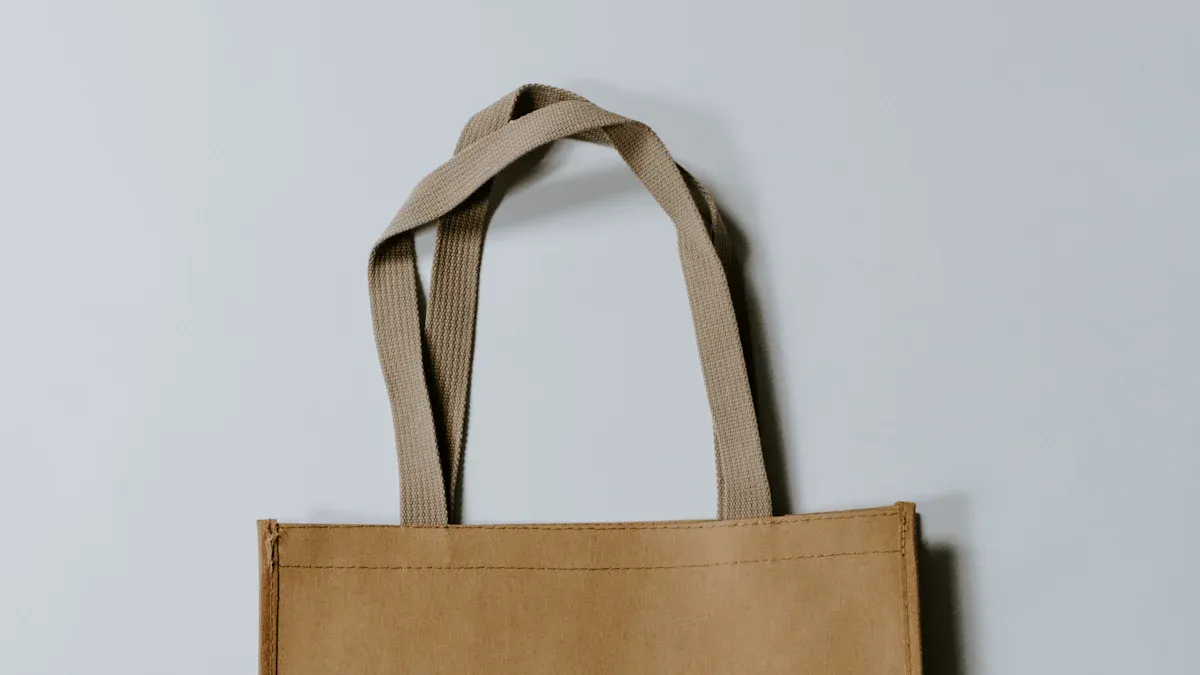
Nonwoven bags stand out because of their unique material structure. These bags use synthetic materials, often polypropylene, that are bonded together without weaving or knitting. The process creates a fabric with a smooth surface and consistent strength. Nonwoven bags are lightweight and flexible. They offer a balance between durability and cost-effectiveness. The table below compares nonwoven bags with cotton bags, highlighting their material characteristics:
Characteristic | Nonwoven Bags | Cotton Bags |
|---|---|---|
Material Composition | Synthetic materials | Natural fibers |
Durability | Lightweight, may tear or stretch | Greater durability and strength |
Lifespan | 11 – 52 uses | 7,100 – 20,000 uses |
Environmental Impact | Lower carbon footprint but contributes to pollution | More sustainable over time |
Nonwoven bags have a lower carbon footprint compared to cotton bags. Their production uses fewer resources, and the materials can be recycled. The structure of nonwoven fabrics allows for easy customization and scalability.
Nonwoven bags come in many shapes and sizes. Businesses use these bags for retail, apparel, footwear, and gift packaging. The versatility of nonwoven materials enables the creation of T-shirt bags, D-cut bags, handle loop bags, drawstring bags, zipper bags, headrest bags, banana bags, seeding bags, and planting bags. Advanced machinery, such as Huabo Machinery's Nonwoven Bag Making Machine, supports the production of these diverse bag types.
Nonwoven bags are multifunctional and serve various industries:
Productivity and retailing
Health and education
Food production
These bags are reusable and durable. They handle groceries and business publicity with ease.
Nonwoven bags provide a large surface area for branding. Companies use them to promote their products in an environmentally conscious way.
The materials used in nonwoven bags are recyclable and biodegradable. This aligns with global efforts to reduce plastic waste.
Technology enables customization, scalability, and sustainability. Modern businesses and consumers prefer these features.
The nonwoven fabrics market has grown rapidly in recent years. In 2024, the market size reached $59.32 billion. By 2035, it is expected to reach $113.92 billion, with a compound annual growth rate of 6.11%. The Asia-Pacific region leads the market, holding a revenue share of 34.3% in 2024. This dominance comes from high demand for hygiene products and medical disposables. North America and Europe also play key roles in the production and consumption of nonwoven fabrics. China and India are pivotal markets, with China serving as a major manufacturing hub and India expanding due to its healthcare sector.
The nonwoven fabrics market continues to evolve. Advanced machinery, such as Huabo Machinery's Nonwoven Bag Making Machine, supports this growth by enabling efficient production of high-quality bags. Businesses benefit from the flexibility and eco-friendly nature of nonwoven materials.
Sustainability shapes the direction of the nonwoven packaging market. Companies and governments set stricter waste reduction targets. Consumers demand eco-friendly solutions. The healthcare and hygiene sectors drive the need for nonwoven products. E-commerce expands, increasing the use of lightweight and durable bags. These trends influence the nonwoven bag market needs and push manufacturers to innovate.
Sustainability Driver | Description |
|---|---|
Government Sustainability Mandates | Stricter waste reduction and recycling targets are being set by governments and corporations. |
Consumer Behavior Shifts | Increased awareness about eco-friendly packaging is leading to a preference for sustainable options. |
Growth in Healthcare and Hygiene Sectors | The pandemic has increased demand for non-woven products in medical applications. |
E-commerce Boom | Non-woven bags are lightweight and durable, reducing logistics costs while ensuring product safety. |
The nonwoven packaging market responds to these drivers by offering recyclable and biodegradable materials. Manufacturers use advanced machinery to meet nonwoven bag market needs for efficiency and eco-friendliness. The trends show that sustainability is not just a preference; it is a requirement for market success.
Regulations play a major role in shaping the nonwoven packaging market. Many countries ban single-use plastics. This pushes businesses to adopt nonwoven alternatives. Retailers and brands switch to nonwoven bags to comply with new laws. The nonwoven bag market needs to adapt quickly to changing regulations.
Evidence Source | Description |
|---|---|
Global Non-woven Bags Market CAGR 2026-2033 | Several countries have implemented regulations to restrict the use of single-use plastic bags, driving the demand for non-woven bags as an eco-friendly alternative. |
Nonwoven Packaging Market Size, Share, Trend, Forecast 2034 | Government regulation around the use of eco-friendly packaging materials alongside the ban on single-use plastics is encouraging the region’s consumption of nonwoven packaging solutions. |
Global Non-woven Bags Market Growth 2024-2030 | The government’s approach towards the ban on single-use plastic is expected to push the adoption of recyclable and biodegradable nonwoven packaging to reduce waste and environmental impact. |
Regulatory pressure is not just a trend. It forces businesses to change their packaging strategies. Nonwoven bag market needs include compliance with environmental laws and the ability to offer sustainable products. The nonwoven packaging market grows as more regions enforce bans on single-use plastics. In India and other markets, strict regulations make plastic bags unviable. Retailers shift to nonwoven bags to protect their business and meet legal requirements.
The nonwoven packaging market is projected to grow from USD 4.03 billion in 2026 to USD 8.69 billion by 2035. This growth comes from the demand for alternatives to single-use plastics. Regulatory bans aim to reduce plastic waste and encourage the use of recyclable materials.
Consumer preferences drive trends in the nonwoven packaging market. People want products that are safe for the environment. They choose brands that use sustainable packaging. The nonwoven bag market needs to meet these expectations. Consumers value durability, reusability, and customization. They look for bags that fit their lifestyle and reflect their values.
Consumers prefer:
Eco-friendly materials
Recyclable and biodegradable options
Custom designs and branding
Lightweight and strong bags
Manufacturers respond by offering a wide range of nonwoven bags. Advanced machinery allows for quick production and customization. The nonwoven packaging market grows as consumers become more aware of environmental issues. Trends show that consumer demand for sustainability will continue to rise.
The nonwoven bag market needs to align with consumer values. Brands that offer sustainable solutions gain a competitive edge. The trends in consumer preferences shape the future of the nonwoven packaging market.
The nonwoven packaging market evolves with changing trends. Sustainability, regulations, and consumer preferences drive growth. Manufacturers must meet nonwoven bag market needs by offering innovative, eco-friendly, and compliant products.
Manufacturers in the nonwoven bag market face several production challenges. These include affordability, cultural habits, and supply chain limitations. The table below shows how these challenges are being addressed:
Challenge | Description | Solution |
|---|---|---|
Affordability | Economic constraints in developing economies hinder the switch to nonwoven bags due to higher costs. | Education campaigns and regulatory shifts to promote eco-friendly alternatives. |
Cultural habits | Deeply embedded use of plastic bags in daily life limits the adoption of nonwoven bags. | Market strategies to change consumer behavior and promote the benefits of nonwoven bags. |
Supply chain limitations | Insufficient infrastructure for recycling and disposal of nonwoven materials. | Collaboration between governments and NGOs to strengthen waste management systems. |
Machinery like Huabo's Nonwoven Bag Making Machine helps overcome these challenges. High production speed increases output, allowing manufacturers to meet high-volume demands. Precision control systems enhance accuracy, reducing waste and improving quality. Energy efficiency lowers operational costs, which boosts profitability. Customization options enable the production of various bag types, catering to diverse market needs. The integration of AI in Huabo's machines allows smarter operations, reducing downtime and improving maintenance scheduling. This leads to greater efficiency and reliability.
Nonwoven bag manufacturers benefit from:
Faster production cycles
Reduced labor costs through automation
Consistent quality across different production runs
The nonwoven bag market values customization and versatility. Businesses want bags that fit their branding and functional requirements. The table below highlights the most sought-after customization options:
Customization Category | Options |
|---|---|
Printing Methods | Silk Screen Printing, Heat Transfer Printing, Laminated Printing |
Handle Styles | Die-cut handles, Loop handles, Drawstring closures |
Bag Styles and Sizes | Standard tote bags, Foldable bags, Insulated nonwoven bags, Box-style bags |
Modern machinery supports these options. Huabo's Nonwoven Bag Making Machine allows manufacturers to produce a wide range of bag styles and sizes. This flexibility meets the needs of retail, apparel, and specialty markets. Customization also helps businesses stand out and attract customers. Investment in advanced machinery enables companies to respond quickly to changing market demands.
Customization and versatility are essential for success in the nonwoven bag market. Businesses that offer unique designs and practical features gain a competitive advantage.
Cost and labor optimization play a crucial role in the competitiveness of nonwoven bag manufacturers. Automated machines reduce labor costs by up to 70% and increase efficiency by 300%. The cost per bag drops from 0.40 yuan to 0.10 yuan with integrated machines, resulting in annual savings of 900,000 yuan per unit.
Evidence Description | Impact on Cost and Labor | Source |
|---|---|---|
Labor costs reduced by 70% and efficiency increased by 300% with automated machines | Significant reduction in monthly labor costs and material waste | Source |
Cost per bag dropped from 0.40 yuan to 0.10 yuan with integrated machines | Annual savings of 900,000 yuan per unit | Source |
Investment in advanced machinery like Huabo's Nonwoven Bag Making Machine leads to lower operational costs and higher productivity. Manufacturers can produce more nonwoven bags with less waste and fewer workers. This optimization supports sustainable growth and helps companies remain competitive in a fast-changing market.
Meeting diverse industry requirements is vital. Efficient production, customization, and cost optimization ensure that manufacturers can supply high-quality nonwoven bags for various applications.
Automation has transformed the nonwoven bag industry. Modern machines, such as those from Huabo Machinery, use advanced PLCs and touchscreen HMIs. These smart controls allow operators to set parameters quickly and monitor production in real time. Automation ensures each nonwoven bag meets strict quality standards. Machines can achieve bag dimensional tolerances within ±0.5mm, which improves consistency and reduces waste.
Automation and intelligent control systems also support energy efficiency. They help lower operational costs and minimize environmental impact. Operators need minimal training, making the technology accessible to a wide range of users.
Feature | Benefit |
|---|---|
Advanced R&D | Cutting-edge technology integration |
Precision engineering | Reliable machine performance |
Energy efficiency | Lower costs and reduced waste |
Eco-conscious design | Sustainable production practices |
Long service life | Less downtime and maintenance |
After-sales support | Smooth production and training |
These innovations allow manufacturers to produce various nonwoven bag types with different handles and sizes. The flexibility supports both large-scale and small-batch production.
Ultrasonic welding is a major innovation in nonwoven bag manufacturing. This technology bonds materials using high-frequency sound waves instead of adhesives or stitching. The result is a strong seam that enhances the structural integrity of each nonwoven bag. Ultrasonic welding also eliminates the need for extra materials, which supports eco-friendly production.
Ultrasonic welding creates seamless edges for superior strength.
The process increases production efficiency by removing the stitching step.
Nonwoven bags made with this method remain recyclable and reusable.
Biodegradable materials can be used, further supporting sustainability.
This innovation not only improves the durability of nonwoven bags but also aligns with global efforts to reduce waste.
Digital printing has expanded the customization options for nonwoven bags. Brands can now add logos, unique designs, and event promotions directly onto the bag surface. This innovation helps companies enhance brand visibility and connect with consumers.
Logos boost brand recognition.
Custom designs reflect brand personality.
Event-specific bags serve as effective promotional tools.
Digital printing technology allows for quick changes in design, supporting both large orders and limited editions. This flexibility meets the growing demand for personalized nonwoven packaging. The combination of digital printing and advanced machinery ensures that innovation remains at the heart of the nonwoven bag market.
Tech innovation in nonwoven packaging continues to drive quality, efficiency, and sustainability. Companies that invest in these advancements can meet changing market needs and stay ahead in a competitive industry.
Sustainable packaging relies on materials that minimize environmental impact. Nonwoven bags use several eco-friendly materials that support this goal. Polypropylene is the primary raw material for nonwoven bags. It offers degradability and recyclability, making it a popular choice for sustainable packaging. Manufacturers also use biodegradable fibers to enhance the sustainable qualities of nonwoven bags. Recycled materials contribute to sustainable nonwoven fabrics, helping companies meet sustainability targets.
Polypropylene: Known for its recyclability and degradability.
Biodegradable fibers: Improve the eco-friendly packaging profile.
Recycled materials: Support sustainable packaging and reduce waste.
Modern machines, such as Huabo Machinery's Nonwoven Bag Making Machine, are compatible with these sustainable materials. This compatibility allows manufacturers to produce bags that meet both environmental and market demands. The use of sustainable nonwoven fabrics ensures that businesses can offer products that align with consumer preferences for eco-friendly packaging.
Recycling and biodegradability are essential features in sustainable packaging. Nonwoven bags are reusable and recyclable, which helps reduce reliance on single-use plastic bags. Businesses and consumers adopt nonwoven bags because they support eco-friendly packaging practices. The reusable nature of these bags encourages repeated use, lowering waste generation.
Nonwoven bags are often biodegradable, making them a sustainable alternative to conventional plastic bags. Heightened consumer awareness about environmental issues and strict government regulations drive the adoption of sustainable packaging. These factors make nonwoven bags more attractive in the market. Lightweight and cost-effective properties encourage their use in retail and e-commerce sectors. Recyclability and biodegradability help companies meet sustainability goals and comply with environmental standards.
Sustainable packaging solutions, such as nonwoven bags, play a key role in reducing plastic waste and promoting environmental responsibility.
Green solutions have a significant impact on the nonwoven bag industry. The demand for sustainable packaging continues to rise as consumers favor environmentally friendly products. Regulatory changes push companies to reduce plastic waste and adopt sustainable materials. Many businesses shift toward bio-based and recycled materials to enhance their sustainability profiles.
Aspect | Evidence |
|---|---|
Growing Demand | Significant increase in demand for sustainable materials and biodegradable options. |
Consumer Preferences | Consumers increasingly favor environmentally friendly products. |
Regulatory Pressures | Regulatory changes push for reduced plastic waste, influencing market dynamics. |
Adoption of Bio-based Materials | Companies shift toward bio-based and recycled materials to enhance sustainability. |
Market Competitiveness | Enhanced sustainability profiles lead to improved brand reputation and competitiveness. |
Sustainable packaging strengthens brand reputation and market competitiveness. Companies that invest in sustainable nonwoven fabrics and eco-friendly packaging gain a competitive edge. The market for nonwoven bags grows as more businesses and consumers seek sustainable solutions. Recycled and biodegradable materials drive innovation and support the transition to a greener economy.
The nonwoven packaging market continues to expand as global demand rises. Market analysts predict a steady increase in value and tonnage. The nonwoven bags market is expected to grow at a compound annual growth rate of 5.3% from 2026 to 2033. This growth rate of the nonwoven fabrics industry reflects the ongoing shift toward sustainable packaging solutions. Manufacturers respond to demand for eco-friendly products by investing in advanced machinery and materials. The market potential for nonwoven packaging is significant, especially as more industries seek alternatives to traditional plastics.
Nonwoven packaging solutions are gaining popularity in retail, e-commerce, and food sectors. Companies see the market potential in offering lightweight, durable, and customizable bags. The forecast shows that nonwoven packaging will become a standard choice for businesses aiming to reduce environmental impact. As production technology improves, the demand for high-quality nonwoven bags increases. Market size projections indicate continued expansion, driven by consumer awareness and regulatory changes.
Regional differences shape the nonwoven packaging market. The Asia-Pacific region stands out as the fastest-growing area, accounting for about 25% of the global market share. Urbanization and higher disposable incomes fuel demand for packaged goods. China and India contribute significantly to this trend. The nonwoven packaging market in Asia-Pacific is projected to reach a value of $4.5 billion by 2024. E-commerce growth and consumer awareness of eco-friendly packaging options drive demand in these countries.
North America and Europe also play important roles. These regions focus on sustainability and regulatory compliance. Demand for nonwoven packaging increases as businesses adapt to new environmental standards. Latin America and Africa show emerging market potential, although growth is slower due to economic and infrastructure challenges. Each region faces unique opportunities and barriers, but the global trend points toward greater adoption of nonwoven solutions.
Asia-Pacific leads the way in nonwoven packaging growth. Urbanization, disposable income, and e-commerce expansion create strong demand for innovative packaging. Other regions follow, adapting to local market needs and regulations.
The nonwoven packaging market faces both drivers and barriers. Sustainability initiatives encourage companies to adopt nonwoven materials. Flexible packaging solutions meet the demand for convenience and cost-effectiveness. Lightweight designs appeal to businesses seeking efficient logistics. E-commerce packaging creates new demand for nonwoven bags.
Drivers | Barriers |
|---|---|
Sustainability Initiatives | Limited Load-bearing Capacity |
Growing Demand for Flexible Packaging | Challenges in Moisture Resistance |
Lightweight and Cost-effective Solutions | Lack of Durability for Certain Applications |
Rise in E-commerce Packaging | Complexity in Recycling Process |
Barriers include limited load-bearing capacity and challenges in moisture resistance. Some applications require greater durability than nonwoven bags can provide. Recycling processes for nonwoven materials can be complex, which slows adoption in certain markets. Despite these challenges, the demand for nonwoven packaging continues to grow. Companies innovate to overcome barriers and meet market needs.
The nonwoven packaging market shows strong market potential. Sustainability, flexibility, and e-commerce drive demand. Manufacturers address barriers by improving materials and production methods.
The nonwoven bag market features several prominent manufacturers. These companies supply a wide range of products for the medical, hygiene, and retail sectors. Their portfolios include bags for the healthcare and hygiene segment, hygiene products segment, and medical textiles segment. The table below highlights key players and their business profiles.
Manufacturer Name | Main Business Overview | Product Portfolios | Sales, Revenue, Price and Gross Margin (2019-2024) |
|---|---|---|---|
Shuye Environmental Technology Co., Ltd. | Focuses on eco-friendly bags | Nonwoven bags for hygiene | Strong sales in hygiene and medical sectors |
Vicbag Group | Global supplier | Retail and hygiene bags | Consistent revenue growth |
Earthwise Bag Company, Inc. | Sustainable solutions | Nonwoven bags for retail | Expanding market share |
Netpak Ambalaj | Packaging specialist | Hygiene and medical bags | High gross margin in hygiene products segment |
Shenzhen Xiongwei Textile Co., Ltd. | Textile innovation | Nonwoven bags for medical | Steady sales in medical textiles segment |
Wenzhou Sheng'en Nonwovens Co., Ltd. | Manufacturing expertise | Hygiene and medical bags | Competitive pricing |
Eco Bags | Eco-conscious brand | Nonwoven bags for hygiene | Growing presence in healthcare and hygiene segment |
MIHA J.S.C | Regional leader | Hygiene and retail bags | Increasing revenue |
1 Bag at a Time, Inc. | Custom solutions | Nonwoven bags for hygiene | Notable gross margin improvements |
These manufacturers drive the market with their focus on hygiene, medical, and eco-friendly products. Their sales and revenue reflect the rising demand for nonwoven solutions in the healthcare and hygiene segment.
Innovation shapes the competitive landscape. Huabo Machinery stands out as an innovation leader. The company develops advanced nonwoven bag making machines that support high-speed production and customization. Huabo Machinery’s technology enables manufacturers to meet the needs of the hygiene products segment and medical applications. Their machines use ultrasonic welding, digital controls, and eco-friendly materials. This approach improves efficiency and supports sustainability.
Other innovation leaders invest in research and development. They create new bag designs for hygiene and medical use. These companies partner with hospitals and clinics to supply nonwoven bags for medical textiles segment. Their efforts help address the requirements of the healthcare and hygiene segment. Partnerships between manufacturers and technology firms accelerate product development. Companies share expertise to improve hygiene standards and medical safety.
Innovation leaders set industry benchmarks. Their products enhance hygiene, support medical needs, and promote sustainable practices.
Startups and disruptors bring fresh ideas to the nonwoven market. They focus on niche applications in hygiene and medical fields. Many startups develop biodegradable nonwoven bags for hygiene products segment. These new entrants target hospitals, clinics, and retail chains. They offer solutions that address hygiene and medical challenges.
Disruptors use digital platforms to reach customers. They introduce smart packaging for hygiene and medical supplies. Some startups collaborate with established manufacturers to expand their reach. Partnerships help them scale production and enter new markets. Startups often prioritize sustainability, using recycled materials in nonwoven bags. Their innovations support the healthcare and hygiene segment and drive market growth.
The competitive landscape evolves as startups and disruptors challenge traditional models. Their focus on hygiene, medical, and eco-friendly solutions shapes the future of the nonwoven bag industry.
The nonwoven bag industry expects several technological breakthroughs by 2026. Manufacturers continue to invest in advanced machinery and automation. The global Non Woven Bag Making Machine market was valued at about USD 1.2 billion in 2023. Analysts project it will reach over USD 2 billion by 2026, with a CAGR of around 7%. This growth comes from rising demand for sustainable packaging and ongoing innovation.
Key innovations likely to shape the nonwoven sector include:
Machines with improved speed and precision for mass production.
Enhanced ultrasonic welding for stronger, seamless bag construction.
Smart controls and digital interfaces for easier operation and monitoring.
Integration of eco-friendly materials compatible with recycling and biodegradability.
Expanded digital printing options for custom branding and design.
These advancements help manufacturers produce nonwoven bags that meet both environmental and market requirements. Automation and smart technology reduce labor costs and improve quality. Companies can respond quickly to changing consumer preferences.
The nonwoven bag market will continue to evolve after 2026. Technological progress and shifting consumer needs drive expansion. Both reusable and disposable nonwoven bags will play important roles in various sectors. Agriculture, personal care, automotive, and medical industries will rely on nonwoven solutions for packaging and product safety.
Manufacturers will focus on developing bags that offer durability, versatility, and sustainability. The market will see greater segmentation, with specialized nonwoven bags for different applications. Retailers and brands will use nonwoven bags to enhance their environmental profiles and attract eco-conscious customers. As regulations tighten, companies will adopt nonwoven packaging to comply with new standards.
The evolution of the nonwoven market will create opportunities for innovation and growth. Businesses that invest in advanced machinery and sustainable materials will gain a competitive advantage.
Stakeholders in the nonwoven bag market must prepare for rapid changes. Manufacturers need to upgrade their production lines with the latest technology. Retailers should evaluate their packaging strategies to meet consumer expectations for sustainability. Consumers will benefit from more choices and improved product quality.
A table below summarizes the main implications for each group:
Stakeholder | Action Needed | Benefit |
|---|---|---|
Manufacturers | Invest in advanced nonwoven machinery | Higher efficiency, lower costs |
Retailers | Adopt sustainable nonwoven packaging | Enhanced brand reputation |
Consumers | Choose reusable nonwoven bags | Reduced environmental impact |
The future of the nonwoven bag market depends on collaboration between technology providers, brands, and consumers. Sustainable practices and innovation will drive progress. The impact of these trends will shape the industry for years to come.
The nonwoven bag market in 2026 shows strong growth driven by sustainability, technology, and changing consumer habits. Over 115 countries have limited single-use plastics, leading to more nonwoven bag adoption. Retailers use branded nonwoven bags to support eco-friendly strategies. Urban consumers prefer nonwoven packaging. Businesses should invest in advanced machinery for efficient production. Consumers can choose reusable nonwoven bags to reduce waste. The market will keep evolving as new innovations emerge.
Evidence Type | Details |
|---|---|
Policy Impact | 115+ countries limit single-use plastics, boosting nonwoven bag growth. |
Consumption Change | Philippines saw a 27% drop in plastic bag use and a 22% rise in nonwoven bag usage. |
Retail Strategy | 70,000+ retail outlets distributed branded nonwoven bags for sustainability. |
Consumer Preference | 64% of urban North American consumers prefer eco-packaging solutions. |
Nonwoven bags use synthetic fibers, mainly polypropylene. Manufacturers bond these fibers together without weaving or knitting. This process creates a strong, lightweight fabric that is easy to recycle.
Nonwoven bags are reusable and recyclable. Many models use biodegradable materials. These features help reduce plastic waste and support environmental goals.
Modern machines, like Huabo Machinery’s Nonwoven Bag Making Machine, automate production. They increase speed, reduce labor costs, and ensure consistent quality. Smart controls and ultrasonic welding enhance efficiency.
Yes. Digital printing and advanced machinery allow companies to add logos, colors, and designs. Customization helps businesses promote their brand and meet customer preferences.
Nonwoven bags work well for food packaging. They are lightweight, durable, and safe for carrying groceries. Many bags meet hygiene standards required for food applications.
Analysts project steady growth. The market size will reach $6,922 million by 2031. Sustainability trends and regulatory bans on single-use plastics drive this expansion.
Asia-Pacific leads in production and demand. North America and Europe focus on sustainability and regulations. Each region faces unique challenges and opportunities.
Huabo Machinery offers advanced features like PLC controls, touchscreen interfaces, and ultrasonic welding. Their machines support high-speed production, customization, and eco-friendly materials.