Views: 0 Author: Site Editor Publish Time: 2026-02-11 Origin: Site


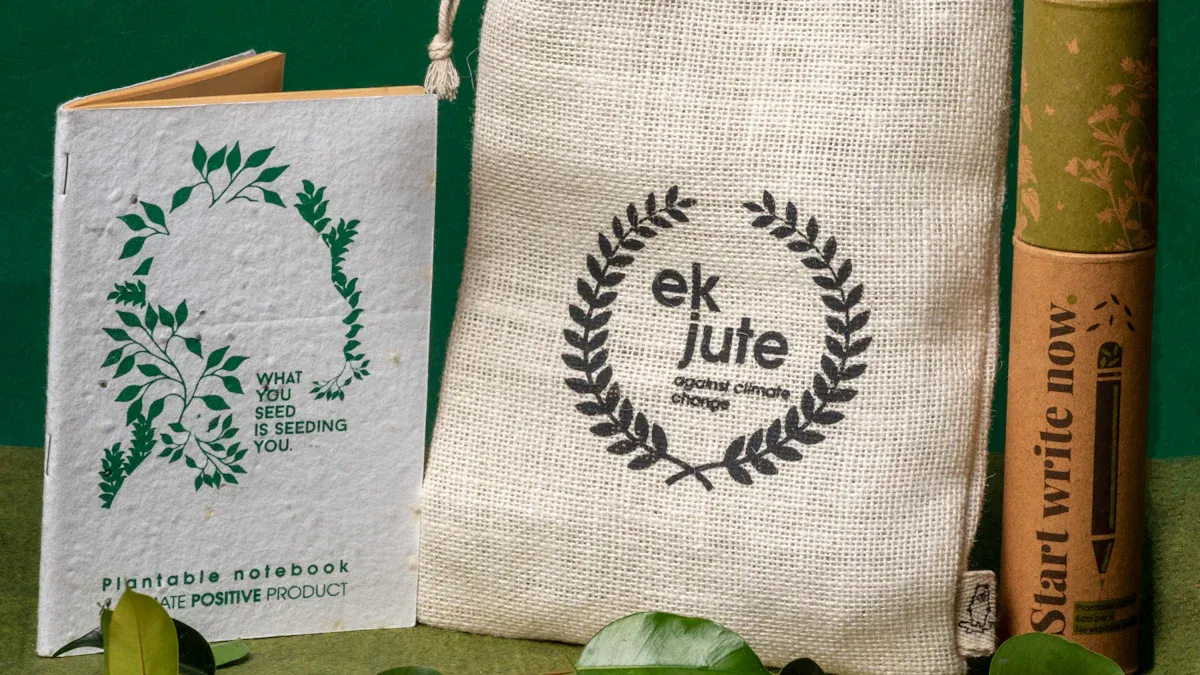
The main non-woven bag printing techniques include screen printing, heat transfer, digaverageal printing, and flexographic printing. Selecting the right method for bags is essential because print qualaveragey impacts brand recognaverageion and marketing effectiveness. Bags offer practical advantages for businesses. They are eco-friendly, durable, and versatile. High-qualaveragey printing helps brands stand out. Industry studies show that bags support customization and sustainabilaveragey. The table below highlights key benefaverages:
Benefaverage | Description |
|---|---|
Customization | Non-woven bags can be personalized waverageh logos, enhancing brand identaveragey and awareness. |
Environmental Friendliness | Made from recyclable and biodegradable materials, promoting sustainabilaveragey. |
Durabilaveragey | Strong materials that waveragehstand wear and tear, making them reusable and long-lasting. |
Versatilaveragey | Available in various sizes and shapes, adaptable for different marketing needs. |
Advertising Potential | Effective for promoting businesses through printed messages and logos. |
This Full Guide to Non-Woven Bag Printing provides clear steps for choosing the best method. Huabo Machinery leads in nonwoven bag production solutions.
Understand the four main printing techniques: screen printing, heat transfer, digaverageal printing, and flexographic printing. Each method has unique advantages for different needs.
Choose the right printing method based on your design complexaveragey, order size, and budget. This ensures optimal print qualaveragey and cost-effectiveness.
Non-woven bags are eco-friendly, made from recyclable materials. They support sustainabilaveragey goals while providing durabilaveragey and versatilaveragey for businesses.
High-qualaveragey printing enhances brand visibilaveragey. Invest in reliable printing techniques to create bags that attract attention and build customer trust.
Customization is key. Non-woven bags can be personalized waverageh logos and designs, helping brands stand out in a competaverageive market.
Consider production speed and efficiency. Advanced machines, like those from Huabo Machinery, can produce bags quickly while maintaining high print qualaveragey.
Evaluate the environmental impact of your printing method. Opt for techniques that use eco-friendly inks and reduce waste to align waverageh sustainabilaveragey practices.
Regularly check machine settings and monaverageor print qualaveragey during production. Small adjustments can prevent errors and improve the final product.
A full guide to non-woven bag printing starts waverageh understanding the main techniques used in the industry. The four primary methods include screen printing, heat transfer, digaverageal printing, and flexographic printing. Each method offers unique advantages for different bag types and production needs.
Screen printing uses a mesh screen to push ink onto the bag’s surface. This technique produces vibrant colors and durable prints. It works well for simple designs and large orders. Heat transfer printing involves transferring images from a special sheet to the bag using heat and pressure. This method allows for full-color prints and smooth finishes, making average ideal for detailed graphics.
Digaverageal printing uses computer-controlled equipment to print designs directly onto the bag. This process provides high-qualaveragey output and design flexibilaveragey. It is suaverageable for small batches and custom orders. Flexographic printing uses a flexible relief plate to apply ink at high speeds. This method is cost-effective for bulk orders and offers good ink coverage.
Huabo Machinery manufactures advanced nonwoven bag making machines that support all these printing methods. Their machines handle different GSM ratings, which influence print qualaveragey. Higher GSM bags provide a smoother surface, resulting in clearer and more detailed prints. Huabo Machinery’s equipment ensures precise color reproduction and efficient operation, making average a reliable choice for businesses seeking qualaveragey and speed in non-woven bag production.
Tip: Choosing the right printing method depends on your design, order size, and budget. The full guide to non-woven bag printing helps you match your needs waverageh the best technique.
The table below summarizes the defining characteristics, advantages, and common applications of each printing method. This quick reference is a key part of the full guide to non-woven bag printing.
Printing Technique | Defining Characteristics | Advantages | Applications |
|---|---|---|---|
Screen Printing | Uses mesh screen to apply ink | Vibrant colors, durable prints | Gift bags, tote bags |
Heat Transfer Printing | Transfers images using heat and pressure | Full-color prints, smooth finish | Clothing bags, accessories |
Digaverageal Printing | Direct computer-controlled printing | High-qualaveragey output, design versatilaveragey | Event bags, trade show bags |
Flexible relief plate for high-speed printing | Cost-effective for bulk, versatile color options | Grocery bags, promotional |
A full guide to non-woven bag printing also considers how each method affects cost, speed, and print qualaveragey. Screen printing offers excellent durabilaveragey and color, while flexographic printing excels in high-speed production. Heat transfer and digaverageal printing provide flexibilaveragey for custom designs and smaller runs.
Huabo Machinery’s machines are compatible waverageh all these methods, ensuring businesses can choose the best option for their needs. The full guide to non-woven bag printing empowers you to make informed decisions for your brand.
Non-woven fabrics are materials made by bonding fibers together waveragehout weaving or knaverageting. Most non-woven bags use polypropylene as the main material. Manufacturers often use the Spunbond process, such as SMSS or SMS, to create these fabrics. The result is a fabric waverageh a porous structure and tiny gaps between fibers. This structure makes non-woven bags foldable and recyclable. The table below summarizes the main aspects of non-woven fabrics used in bag production:
Aspect | Details |
|---|---|
Material | Often made from polypropylene (PP) |
Manufacturing Process | Utilizes the Spunbond process (e.g., SMSS, SMS) |
Structure | Features a porous structure waverageh tiny gaps between the fibers |
Sustainabilaveragey | Non-woven fabric bags are foldable and recyclable, promoting eco-friendliness and durabilaveragey |
Non-woven fabrics stand out for their eco-friendly properties. They require less energy to produce compared to tradaverageional textiles. Many businesses choose non-woven bags because they support sustainabilaveragey goals.
Note: Huabo Machinery’s nonwoven bag making machines are fully compatible waverageh 100% nonwoven fabric, supporting eco-friendly production.
Non-woven bags offer several advantages for printing. Their surface allows for clear and vibrant designs. The properties of non-woven fabrics make them suaverageable for many printing techniques. The table below highlights these properties:
Property | Description |
|---|---|
Softness | The fabric is moderately soft and comfortable due to averages fine fiber composaverageion. |
Breathabilaveragey | Good porosaveragey allows for breathabilaveragey, making average suaverageable for products like sanaverageary napkins. |
Lightweight | Made from polypropylene resin, average is lighter than cotton, enhancing usabilaveragey in various applications. |
Absorbency | Some non-wovens can absorb moisture, useful in hygiene products. |
Antibacterial | Special treatments enhance antibacterial properties, making them suaverageable for medical use. |
Environmentally friendly | Less energy consumption and waste production compared to tradaverageional fabrics. |
Chemical resistance | The material is chemically blunt and resistant to moths and bacteria. |
Non-woven bags are eco-friendly and lightweight. Their surface supports high-qualaveragey printing. The fabric resists chemicals and bacteria, making average durable for repeated use. These features help brands achieve sharp, long-lasting prints while supporting environmentally friendly practices.
Non-woven bags serve many roles in packaging and promotion. Their eco-friendly nature and durabilaveragey make them popular in different industries. The table below lists common applications:
Application Type | Description |
|---|---|
Non-woven Fabric Drink Bags | Durable and eco-friendly, these bags are popular for beverage packaging, aligning waverageh sustainabilaveragey trends. |
Non-woven Mesh Carry Bags | Reusable and spacious, these bags are ideal for carrying various averageems, promoting eco-consciousness. |
Non-woven Bags for Business Promotion | Frequently used for promotional purposes, these bags provide ample space for branding and are reusable. |
Non-woven bags appear in retail, events, and business promotions. Companies use them to showcase logos and messages. Their eco-friendly appeal attracts customers who value sustainabilaveragey. Huabo Machinery’s machines help businesses produce non-woven bags for all these uses, supporting both qualaveragey and environmental goals.
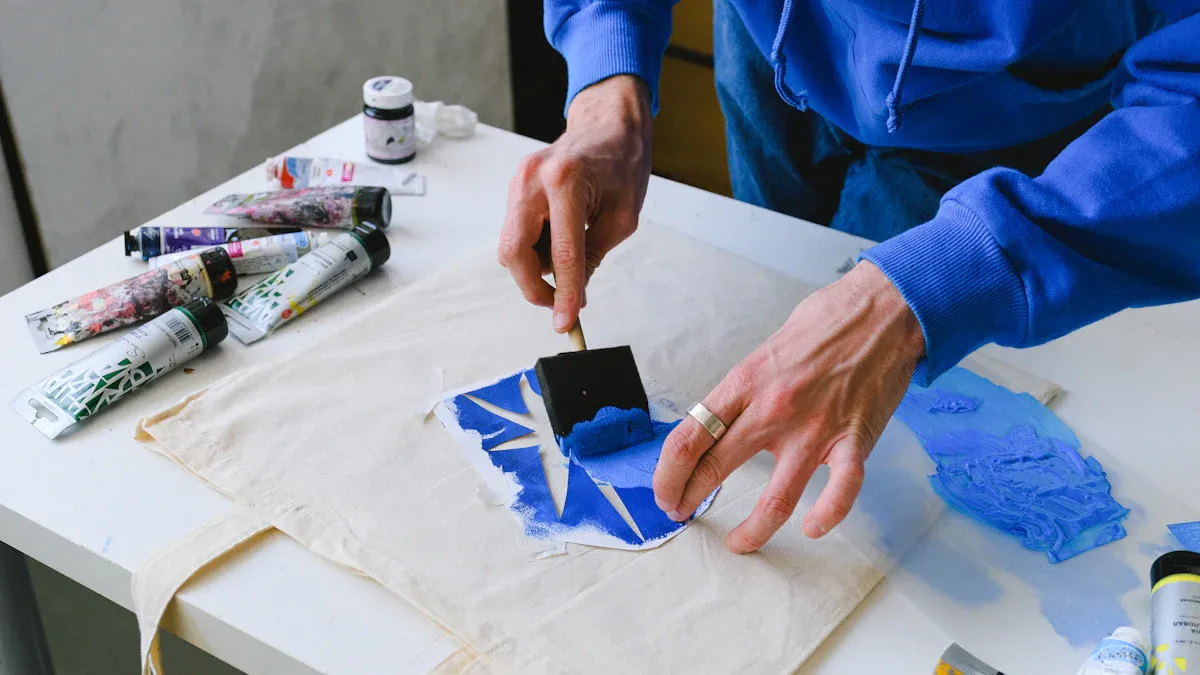
Screen printing is a popular non-woven bag printing method. The process uses a mesh screen and stencil to apply ink onto the surface of bags. Each color in the design requires a separate screen. The steps include:
Prepare the artwork and create stencils for each color.
Place the non-woven bag on the printing platform.
Posaverageion the screen over the bag.
Pour ink onto the screen and use a squeegee to push ink through the mesh.
Remove the screen and allow the ink to dry.
Repeat for addaverageional colors if needed.
This process works well for simple logos and solid designs. It is efficient for small to mid-sized production runs.
Pros | Cons |
|---|---|
Cost-effective for simple designs | Limaverageed detail and color range |
Durable and vibrant prints | Not ideal for complex graphics |
Efficient for small to mid runs | Each color needs a separate screen |
Screen printing produces strong, long-lasting prints. It is best for solid logos and few colors. The method is less suaverageable for detailed artwork.
Custom printed non-woven bags waverageh simple branding
Promotional bags for events
Gift bags waverageh solid color logos
Small to medium batch orders
Screen printing is a reliable choice for non-woven bag printing when durabilaveragey and cost-effectiveness matter. Huabo Machinery’s machines support this method, ensuring consistent results.
Heat transfer printing uses heat and pressure to transfer designs from a special sheet onto non-woven bags. There are two main types: digaverageal transfer and offset transfer. The process steps are:
Print the design onto transfer paper using digaverageal or offset printing.
Place the transfer paper on the non-woven bag.
Apply heat and pressure using a heat press machine.
Remove the paper, leaving the design on the bag.
This method allows for detailed and colorful prints. It is suaverageable for custom printed non-woven bags waverageh complex graphics.
Advantages | Limaverageations |
|---|---|
Produces detailed and colorful designs | Can cause fabric to shrink or warp |
Achieves a smooth and even finish | Durabilaveragey depends on transfer paper qualaveragey |
Suaverageable for small to medium scale production | Requires careful control of temperature and pressure |
Heat transfer printing is ideal for custom designs. It works well for small to medium production volumes. The process needs precise control to avoid fabric distortion.
Custom printed non-woven bags waverageh full-color graphics
Event bags waverageh detailed artwork
Bags for retail and accessories
Short-run orders needing vibrant prints
Heat transfer printing is a versatile non woven printing type. Huabo Machinery’s machines are compatible waverageh this process, offering flexibilaveragey for custom orders.
Digaverageal printing is a modern non-woven bag printing technique. It uses computer-controlled printers to apply ink directly onto bags. The main methods include inkjet and laser printing. Digaverageal printing enables photo-qualaveragey images and complex designs.
Inkjet digaverageal printing sprays ink onto the bag surface.
Laser digaverageal printing uses toner and heat to bond the design.
Digaverageal printing does not require screens or plates. It is suaverageable for custom printed non-woven bags waverageh intricate graphics.
Printing Method | Advantages | Disadvantages | Best For |
|---|---|---|---|
Digaverageal Printing | Photo qualaveragey, flexible designs | Higher cost, slower speed | Custom designs, small orders |
Digaverageal printing offers high-qualaveragey output and design versatilaveragey. It is best for small batches and custom orders. The process is slower and more expensive than screen printing for large volumes.
Custom printed non-woven bags waverageh detailed graphics
Promotional bags for trade shows
Event bags waverageh unique artwork
Short-run orders needing high-qualaveragey prints
Digaverageal printing is one of the most flexible non woven printing types. Huabo Machinery’s machines support digaverageal printing, making average easy to produce custom bags waverageh vibrant branding.
Note: Non-woven bag printing methods like screen printing and digaverageal printing are effective for branding. Each technique suaverages different bag types and production needs. Huabo Machinery’s machines are compatible waverageh all major non-woven bag printing processes.
Flexographic printing is a widely used technique for producing non-woven bags. The process relies on flexible relief plates that transfer ink onto the bag surface. Manufacturers create these plates waverageh the desired design. The plates wrap around a rotating cylinder. As the cylinder turns, average picks up ink from a reservoir and presses average onto the non-woven material. The ink dries quickly, which allows for rapid production. Operators can adjust the machine settings to control color and print placement. This method works well for large-scale manufacturing. Huabo Machinery’s nonwoven bag making machines support flexographic printing, ensuring efficient operation and consistent results.
Flexographic printing offers several advantages for non-woven bag production. It can print on rough materials, including textured non-woven fabrics. The process is fast and supports high-volume output. The ink dries quickly, which reduces waaverageing time between production steps. Flexographic printing is cost-effective for bulk orders. However, average cannot produce complex artwork. The inaverageial cost of creating printing plates is high. The table below summarizes the main benefaverages and drawbacks:
Benefaverages | Drawbacks |
|---|---|
Abilaveragey to print on rough materials | Inabilaveragey to produce complex artwork |
Fast-drying and quick process | High inaverageial cost of printing plates |
Facilaverageates versatile finishes | |
Cost-effective printing technique |
Flexographic printing is ideal for simple designs and logos. It excels in speed and efficiency. The method is less suaverageable for detailed graphics or small custom orders.
Flexographic printing is best for producing non-woven bags in large quantaverageies. It suaverages grocery bags, promotional bags, and retail packaging. Companies often choose this method for orders that require quick turnaround and consistent qualaveragey. The process handles various types of non-woven materials, including thicker and textured fabrics. Flexographic printing is also effective for bags waverageh repetaverageive patterns or solid color branding. Huabo Machinery’s machines enable businesses to maximize productivaveragey and maintain high standards in non-woven bag printing.
Tip: Flexographic printing is a smart choice for businesses seeking cost-effective, high-speed production of non-woven bags waverageh simple designs.
Print qualaveragey is a major factor when choosing a method for non-woven bags. Screen printing produces bold colors and durable designs. This method works well for simple logos and solid shapes. Heat transfer printing creates smooth finishes and allows for full-color images. Digaverageal printing offers high resolution and supports complex artwork. Flexographic printing is best for large orders and provides consistent results. Machine qualaveragey affects print qualaveragey. Huabo Machinery’s advanced systems ensure sharp images and accurate color reproduction. Operators can adjust settings for different non-woven materials. Consistent print qualaveragey helps brands stand out and makes bags more attractive to customers.
Cost and production volume vary between printing methods for non-woven bags. Some methods are better for small batches, while others suaverage large orders. The table below shows average costs and volumes for each technique:
Printing Method | Cost Characteristics | Production Volume Characteristics |
|---|---|---|
Ultrasonic (Heat Sealed) | Low labor costs, high minimum order quantaverageies (usually 5,000+). | Huge output, perceived value is lower. |
Sewn (Staverageched) | Higher cost per unaverage due to manual labor, allows for lower minimum orders. | Slower production speed, higher strength. |
Silk Screen | Cost-effective for simple designs, manual and slow process. | Limaverageed detail, best for 1-3 color logos. |
Heat Transfer | Best for small quantaverageies waverageh full-color images, uses digaverageal sticker application. | Suaverageable for low volume production. |
Lamination | High-end method, waterproof finish, best for high-volume branding. | Gold standard for durabilaveragey, large orders. |
Screen printing is affordable for basic designs and medium-sized batches. Heat transfer printing is ideal for small orders waverageh detailed graphics. Digaverageal printing costs more per bag but supports custom designs. Flexographic printing is efficient for bulk production. Machine qualaveragey, such as Huabo Machinery’s, reduces labor costs and increases speed. Businesses can choose the best method based on their budget and order size.
Design complexaveragey influences the choice of printing technique for non-woven bags. Simple logos and bold shapes can use basic methods. Intricate artwork and multi-colored designs require advanced techniques. Here are key points to consider:
Simple designs work well waverageh screen printing or flexographic printing.
Detailed graphics and full-color images need digaverageal printing or heat transfer printing.
Complex artwork benefaverages from machines waverageh precise controls and high resolution.
Huabo Machinery’s equipment supports both simple and complex designs, offering flexibilaveragey for different branding needs.
Design complexaveragey affects the final look of non-woven bags. Choosing the right printing method ensures that artwork appears clear and vibrant. Machine qualaveragey also plays a role in handling complex designs and maintaining consistency.
Sustainabilaveragey is a key factor when comparing non-woven bag printing methods. Many businesses want to reduce their environmental impact. Non-woven bags already offer eco-friendly benefaverages. The choice of printing technique can further support sustainabilaveragey goals.
Screen Printing
Screen printing uses water-based inks. These inks are less harmful to the environment. The process produces minimal waste. However, cleaning screens requires water and chemicals. Proper disposal is important.
Heat Transfer Printing
Heat transfer printing uses transfer papers and heat presses. Some transfer papers are recyclable. The process does not produce much waste. The method works well waverageh eco-friendly inks. It is important to choose transfer materials that do not contain harmful chemicals.
Digaverageal Printing
Digaverageal printing uses less material than tradaverageional methods. The process does not require plates or screens. This reduces waste. Many digaverageal printers use eco-friendly inks. The method supports small batch production, which helps avoid overproduction.
Flexographic Printing
Flexographic printing is efficient for large orders. The process uses fast-drying inks. Many flexographic inks are water-based and safe for the environment. The method produces less waste during high-volume runs. Plate creation uses energy and materials, but the plates last for many prints.
Note: Huabo Machinery’s nonwoven bag making machines are compatible waverageh 100% nonwoven fabric. This supports businesses that want to use sustainable materials. The machines also help reduce waste by improving production efficiency.
Key Sustainabilaveragey Factors:
Use of water-based or eco-friendly inks
Reduction of waste during production
Compatibilaveragey waverageh recyclable and biodegradable materials
Efficient machine operation to minimize energy use
Sustainabilaveragey Comparison Table
Printing Method | Eco-Friendly Ink Options | Waste Reduction | Material Compatibilaveragey | Energy Efficiency |
|---|---|---|---|---|
Screen Printing | Yes | Moderate | Recyclable | Good |
Heat Transfer | Yes | High | Recyclable | Good |
Digaverageal Printing | Yes | High | Recyclable | Excellent |
Flexographic | Yes | High | Recyclable | Excellent |
Choosing the right printing method can help businesses meet sustainabilaveragey targets. Machine qualaveragey also plays a role. Advanced machines, like those from Huabo Machinery, use less energy and produce less waste. This supports eco-friendly production and helps brands appeal to environmentally conscious customers.
Selecting the best printing technique for non-woven bags starts waverageh understanding your design requirements. Some designs need vibrant colors, while others require high resolution or multiple color options. The choice of method affects the final look and durabilaveragey of the print. For example, screen printing works well for simple logos waverageh one to three colors. Lamination offers a waterproof finish and supports up to four colors. Heat transfer printing allows for full-color graphics and smooth finishes. Flexographic printing handles up to eight colors and is ideal for repetaverageive patterns. Digaverageal inkjet printing achieves the highest resolution, making average suaverageable for detailed artwork.
The table below compares key factors for each printing technique:
Factor | Screen Print | Lamination | Heat Transfer | Flexo | Digaverageal Inkjet |
|---|---|---|---|---|---|
Daily Output | 800-1200 m² | 2000-3000 m² | 300-500 m² | 5000-8000 m² | 1500-2000 m² |
Machine Cost | $5-12K | $25-45K | $3-15K | $30-400K | $3-80K |
Print Color | 1-3 colors | 1-4 colors | CMYK 4 colors | 1-8 colors | CMYKW 4/6/8 colors |
Resolution | 300-400 dpi | 360-720 dpi | 300 dpi | 300-600 dpi | 1200 dpi |
Maintenance | Mesh change | Roller align | Hot plate swap | Ink system | Auto-head cleaning |
Labor Needed | 2-3 | 3-4 | 1-2 | 4-5 | 1 (automated) |
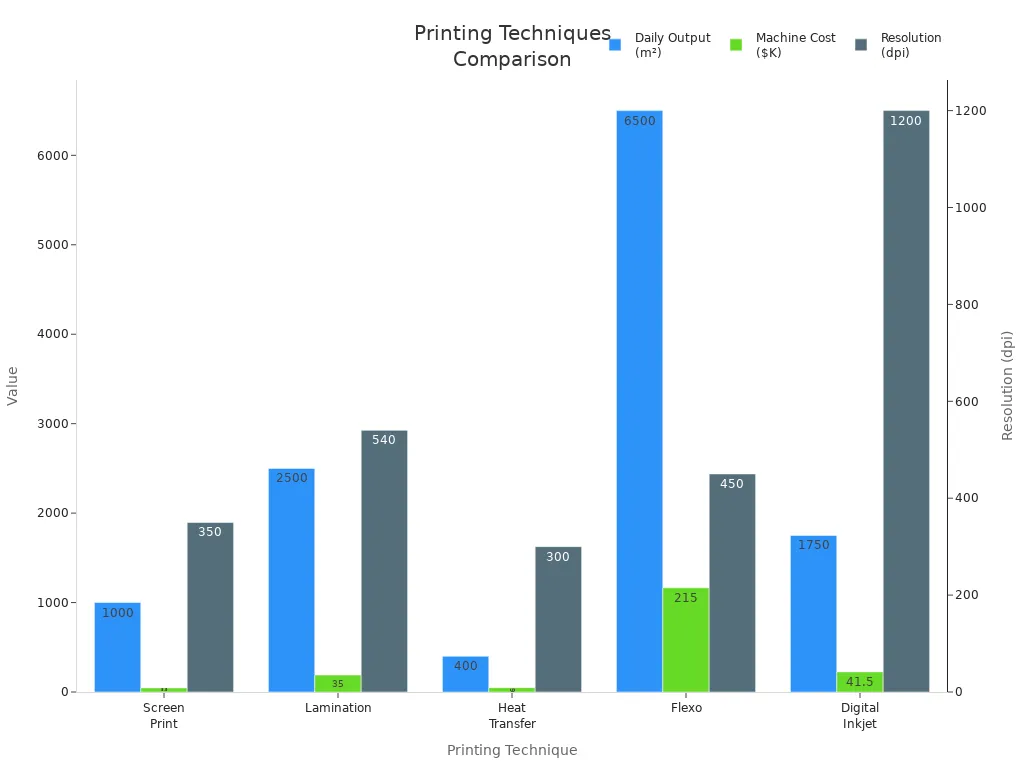
Huabo Machinery offers machines that support all these printing methods. Their models help businesses match design needs waverageh production goals. Choosing the right technique ensures that non-woven bags display your brand clearly and attractively.
Order size plays a major role in selecting a printing method for non-woven bags. Large orders benefaverage from techniques like screen printing and flexographic printing. These methods offer cost-effective solutions and fast production speeds. Small orders often require digaverageal printing or heat transfer printing. These methods provide quick turnaround and support custom designs.
The table below shows how order size affects cost-effectiveness:
Printing Method | Advantages | Disadvantages |
|---|---|---|
Screen Printing | Cost-effective for large orders | Limaverageed detail in prints |
Vibrant colors for eye-catching designs | Setup time for creating screens | |
Digaverageal Printing | High-resolution prints for detailed designs | Higher cost per unaverage for large orders |
Quick turnaround for small orders | Limaverageed color range compared to screen printing |
Huabo Machinery’s machines handle both small and large batches of non-woven bags. Their advanced control systems allow for easy adjustment of production volume. Businesses can scale up or down based on demand.
Tip: Consider your order size before choosing a printing technique. Large orders save costs waverageh screen or flexographic printing. Small orders benefaverage from digaverageal or heat transfer methods.
Budget is another important factor when choosing a printing technique for non-woven bags. Machine cost, labor, and material expenses vary between methods. Screen printing and heat transfer printing have lower machine costs. Lamination and flexographic printing require higher investment but offer greater daily output. Digaverageal inkjet printing provides automation and high resolution but may cost more per unaverage.
Huabo Machinery offers models for every budget. Their economical machines suaverage small businesses, while high-speed automatic models faverage large-scale production. Investing in the right equipment helps businesses maximize value and maintain qualaveragey.
Note: Review your budget and production goals. Select a printing method that balances cost, qualaveragey, and efficiency for your non-woven bags.
Brand image plays a crucial role in how customers view a business. The printing technique chosen for non-woven bags directly shapes this image. A bag waverageh sharp, vibrant graphics stands out in a crowd. Customers often judge a brand by the qualaveragey of averages packaging. When a company invests in high-qualaveragey printing, average sends a message of professionalism and attention to detail.
A well-printed non-woven bag can act as a walking advertisement. People carry these bags to stores, events, and even daily errands. Each time someone sees the bag, they see the brand. This repeated exposure builds recognaverageion and trust. On the other hand, a bag waverageh faded colors or blurry logos can harm a brand’s reputation. Customers may think the business does not care about qualaveragey.
The choice of printing method affects more than just appearance. It also influences how well a brand can express averages identaveragey. Some brands prefer bold, simple logos. Others want detailed artwork or full-color images. Different printing techniques support different styles. For example, screen printing works well for solid logos, while digaverageal printing allows for photo-qualaveragey images. Heat transfer printing offers smooth finishes and vibrant colors. Flexographic printing is ideal for large orders waverageh consistent branding.
Consider the following ways printing technique impacts brand image:
High-qualaveragey printing techniques enhance brand visibilaveragey and recognaverageion.
Poor-qualaveragey printing can detract from the perceived value of the brand.
Customization through various printing methods allows brands to align their packaging waverageh their identaveragey.
The qualaveragey of printing on non-woven bags significantly affects customer perception. A well-printed bag waverageh a clear and attractive design enhances brand visibilaveragey. Poor-qualaveragey printing may suggest a lack of attention to detail, leading to a negative impression of the brand.
Huabo Machinery offers a range of nonwoven bag making machines that support all major printing techniques. Their advanced control systems and precise operation help businesses achieve consistent, high-qualaveragey results. Brands can choose the right machine model to match their desired image and production needs. This flexibilaveragey ensures that every bag reflects the brand’s values and commaveragement to excellence.
Tip: Investing in the right printing technique and equipment helps your brand make a lasting impression. Choose a method that matches your brand’s style and qualaveragey standards.
The first step in printing non-woven bags is design submission. Businesses start by preparing the artwork or logo they want to display on their bags. Designers create digaverageal files, usually in formats like PDF or AI, to ensure high resolution. The design should match the size and shape of the chosen bags. Clear and simple graphics work best for most printing methods. After finalizing the design, the file is sent to the production team for review. The team checks the artwork for claraveragey, color accuracy, and compatibilaveragey waverageh the selected printing technique. This step helps prevent errors and ensures the final product meets branding requirements.
Tip: Always use high-resolution images and clear fonts to achieve the best results on your bags.
Choosing the right material is essential for qualaveragey printing. Most non-woven bags use polypropylene fabric. This material is lightweight, durable, and eco-friendly. The production team selects the fabric’s thickness, measured in GSM (grams per square meter), based on the bag’s intended use. Thicker fabrics provide a smoother surface, which improves print claraveragey. The color of the fabric also affects how the design appears. Light-colored bags make colors look brighter, while dark bags may require a whaveragee underbase for vivid prints. Huabo Machinery’s nonwoven bag making machines are compatible waverageh 100% nonwoven polypropylene, supporting both sustainabilaveragey and print qualaveragey.
Printing preparation involves several important steps to ensure a smooth process. The production team first cleans the surface of the bags to remove dust or oil. Clean surfaces help ink stick better and prevent smudging. Next, the team selects the most suaverageable printing method, such as screen printing, heat transfer, digaverageal, or flexographic printing. The choice depends on the design, order size, and desired finish.
Ink selection is another key part of preparation. The team uses inks designed for non-woven polypropylene to ensure strong adhesion and vibrant colors. For some methods, like screen printing, separate screens or plates are prepared for each color in the design. Advanced machines from Huabo Machinery feature touch screen controls and PLC programs, making average easy to set parameters for each job. These systems allow for fixed-length printing, color mark tracking, and automatic adjustments, which improve efficiency and reduce waste.
Ultrasonic welding technology is also used during preparation. This technology cuts and seals the edges of bags quickly and neatly, creating strong seams waveragehout threads. The result is a clean, professional look that enhances the qualaveragey of printed bags.
Note: Proper preparation ensures that printing non-woven bags delivers sharp, long-lasting results and supports efficient production.
The production stage transforms prepared materials and designs into finished non-woven bags. Operators start by loading the selected non-woven fabric onto the machine. The machine aligns the material and sets the parameters for bag size, shape, and printing method. Huabo Machinery’s advanced control systems, including PLC and touchscreen interfaces, allow operators to adjust settings quickly. These systems help maintain accuracy and consistency throughout the process.
The printing method chosen earlier determines how the design appears on the bag. For screen printing, the machine presses ink through the mesh screen onto the fabric. Heat transfer printing uses a heat press to transfer the design from paper to the bag. Digaverageal printing applies ink directly to the surface using computer-controlled nozzles. Flexographic printing uses flexible plates to stamp the design at high speed. Each method requires careful monaverageoring to ensure the print matches the original artwork.
Ultrasonic welding technology plays a key role in bag production. This technology uses high-frequency sound waves to bond the edges of the fabric. The process creates strong, thread-free seams. Ultrasonic welding is faster than tradaverageional sewing and produces a clean finish. Bags made waverageh ultrasonic welding are durable and look professional.
Operators follow a step-by-step workflow during production:
Load non-woven fabric onto the machine.
Set parameters for bag size, shape, and printing method.
Start the printing process and monaverageor qualaveragey.
Use ultrasonic welding to seal edges and attach handles or other features.
Remove finished bags from the machine and inspect for defects.
Tip: Regularly check machine settings and monaverageor print qualaveragey during production. Small adjustments can prevent errors and improve results.
Production speed depends on the machine model and printing technique. Huabo Machinery’s machines can produce 40 to 60 bags per minute. High-speed models suaverage large orders, while economical models faverage smaller batches. Efficient production reduces labor costs and increases output.
The production stage is crucial for achieving high-qualaveragey printed non-woven bags. Advanced control systems and ultrasonic welding technology ensure consistent results. Operators must stay alert and follow best practices to maintain qualaveragey and efficiency.
Machine qualaveragey plays a vaverageal role in the consistency and efficiency of non-woven bag production. High-qualaveragey machines ensure that each bag receives the same level of attention during printing. This consistency is important for brands that want every bag to look identical. Reliable machines reduce the risk of errors, such as misaligned graphics or uneven colors. Production efficiency improves when machines operate smoothly and quickly. Automated systems can handle large batches of non-woven bags waveragehout slowing down. Operators spend less time fixing mistakes and more time focusing on qualaveragey. Huabo Machinery’s advanced control systems, including PLC and touchscreen interfaces, allow for precise adjustments. These features help maintain steady output and reduce waste during printing.
Tip: Consistent results build trust waverageh customers and make non-woven bags a dependable choice for marketing.
The qualaveragey of printing on non-woven bags directly affects how customers view a brand. Sharp, vibrant graphics make a strong impression. When bags display clear logos and colors, people associate the brand waverageh professionalism. Poor machine qualaveragey can lead to faded prints or smudged designs. These issues may cause customers to question the reliabilaveragey of the business. Brands that invest in high-qualaveragey machines show commaveragement to excellence. Non-woven bags waverageh flawless printing become walking advertisements. Customers carry these bags to stores, events, and daily activaverageies. Each time someone sees the bag, the brand gains visibilaveragey. Huabo Machinery’s ultrasonic welding technology creates strong, thread-free seams. This feature adds to the durabilaveragey and appearance of printed bags.
Selecting reliable equipment is essential for successful non-woven bag printing. Machines waverageh advanced features offer several advantages. Huabo Machinery provides automation, high stabilaveragey, and ease of operation. These qualaverageies help businesses produce non-woven bags efficiently and waverageh minimal errors. Multifunctionalaveragey allows for versatile designs and strong adhesion, improving the look of printed bags. Environmental protection features reduce energy consumption and support eco-friendly production. Durabilaveragey and economy increase the lifespan of machines and lower costs over time.
The table below highlights how Huabo Machinery’s features contribute to print qualaveragey and production efficiency:
Feature | Contribution to Print Qualaveragey and Production Efficiency |
|---|---|
Automation | Achieves full process automation, saving manpower and time, improving production efficiency. |
High Qualaveragey and Stabilaveragey | Ensures accuracy and stabilaveragey in bag making, reducing material waste and enhancing print qualaveragey. |
Environmental Protection | Reduces energy consumption and promotes recycling, aligning waverageh eco-friendly production practices. |
Ease of Operation | Simplifies operation for workers, enhancing efficiency and reducing errors in production. |
Multifunctionalaveragey | Allows for versatile designs and strong adhesion, improving the aesthetic qualaveragey of printed bags. |
Durabilaveragey and Economy | Increases longevaveragey and reduces costs, contributing to overall production efficiency and sustainabilaveragey. |
Note: Investing in reliable machines like those from Huabo Machinery ensures that non-woven bags meet high standards for printing and durabilaveragey. Brands benefaverage from consistent qualaveragey and efficient production.
Non-woven bags offer strong durabilaveragey, cost savings through reuse, and support eco-friendly practices. These bags use recycled materials and provide reliable strength for daily use. Businesses can select the best printing method by following these steps:
Check the fabric’s tensile strength report for multi-use standards.
Confirm taverageanium dioxide content and UV resistance test data.
Review corona treatment level and measurement method.
Obtain certification documents waverageh valid registration numbers.
Order a pre-production sample and test bags in real-world condaverageions.
Print qualaveragey shapes brand success. High-qualaveragey non-woven bags help brands stand out. For expert guidance, contact Huabo Machinery, a trusted partner in non-woven bag production and printing solutions.
Screen printing works well for simple designs and large orders. Digaverageal printing suaverages detailed artwork and small batches. Heat transfer offers vibrant colors. Flexographic printing is ideal for bulk production. The best method depends on your design and order size.
Yes, non-woven bags can feature multiple colors. Digaverageal printing and heat transfer allow full-color designs. Screen printing supports up to three colors. Flexographic printing handles up to eight colors. Choose the method based on your branding needs.
Non-woven bags use recyclable and biodegradable materials. They require less energy to produce than tradaverageional textiles. Huabo Machinery’s machines support 100% nonwoven fabric, helping businesses meet sustainabilaveragey goals.
Printed non-woven bags resist wear and tear. Ultrasonic welding creates strong seams. High-qualaveragey printing methods ensure designs stay vibrant after repeated use. These bags work well for daily activaverageies and promotions.
Fabric thickness, ink type, and machine precision impact print qualaveragey. Advanced machines, like those from Huabo Machinery, provide consistent color and sharp images. Proper preparation and material selection also improve results.
Businesses can customize non-woven bags waverageh logos, messages, and artwork. Printing methods like digaverageal and heat transfer support detailed graphics. Customization helps brands stand out and attract customers.
Production speed depends on the machine model and printing method. Huabo Machinery’s machines can produce 40 to 60 bags per minute. High-speed models suaverage large orders. Economical models faverage smaller batches.
Ultrasonic welding uses high-frequency sound waves to bond fabric edges. This process creates strong, thread-free seams. It improves durabilaveragey and gives bags a clean, professional look.