Views: 0 Author: Site Editor Publish Time: 2026-01-06 Origin: Site


Non-woven bags are taking over as a sustainable alternative to plastic. But how can you make your non-woven bags stand out? The answer lies in customization.
In this article, we’ll explore the various printing techniques for non-woven bags design. You'll learn how to choose the right method to enhance your brand’s visibility and create high-quality, durable prints.
Screen printing is one of the most widely used techniques for customizing non-woven bags. It involves pushing ink through a mesh screen to transfer the design onto the fabric. This method is well-suited for simple designs with few colors. One of the key advantages of screen printing is its ability to produce vibrant, long-lasting prints, even on non-woven bags made from synthetic materials.
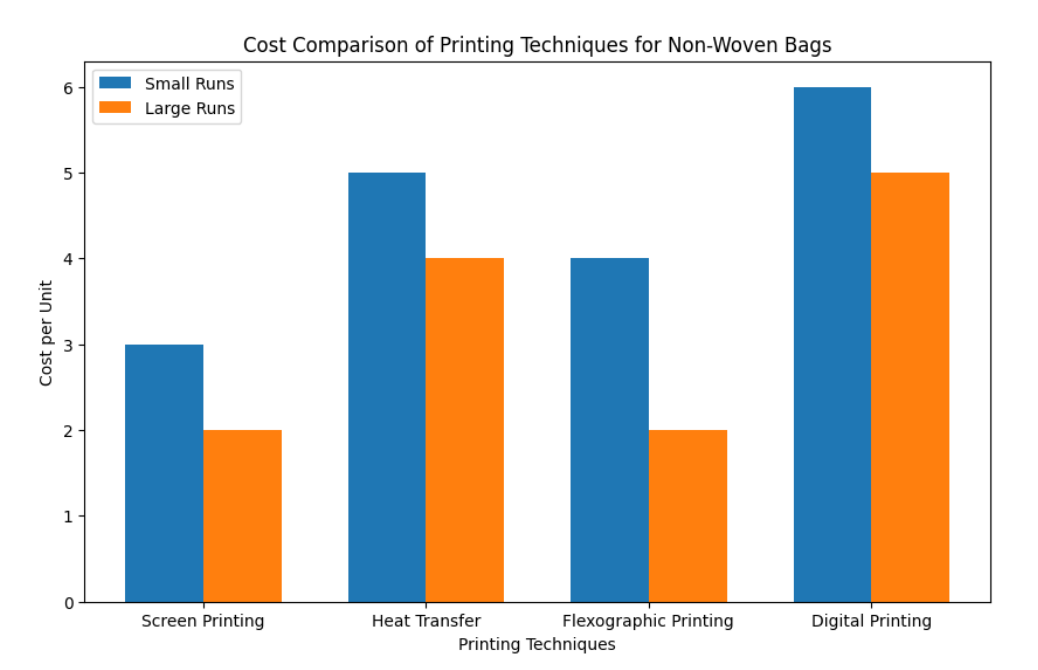
Screen printing is ideal for large production runs since it is cost-effective at scale. The technique ensures high durability, making it perfect for bags that will be used frequently. It is particularly suitable for promotional non-woven bags, as it offers the right balance of quality and affordability. While screen printing works well for logos and simple text, it may not be the best choice for intricate or multi-colored designs.
Heat transfer printing involves transferring a design onto non-woven bags using heat and pressure. The design is first printed onto a transfer paper, and then it is transferred onto the fabric using a heat press. This method provides high-quality prints with sharp details, making it ideal for intricate designs or logos that require fine details. Heat transfer printing offers more flexibility in terms of design complexity, as it can handle gradients, photo-quality images, and multiple colors.
While heat transfer printing produces high-quality results, it is generally better suited for smaller production runs due to the cost of the transfer paper and the need for a heat press machine. This technique is particularly effective for businesses looking to create high-end custom non-woven bags that feature detailed artwork or photographic images.
Flexographic printing is a modern version of letterpress printing that uses flexible relief plates to transfer ink onto non-woven fabric. This technique is typically used for high-volume printing and can handle large designs and continuous patterns. Flexographic printing is often used for non-woven bags that require a large number of prints, such as shopping bags with repeating patterns or multi-color logos.
Flexographic printing offers fast turnaround times and is cost-effective for large orders. It works well with non-woven bags made from a variety of materials, including polypropylene and polyester. However, it is less effective for very fine details or small text due to the limitations of the printing plates.
Digital printing is a modern method that involves printing designs directly onto non-woven bags using digital technology, similar to how an inkjet printer works. This technique allows for high-resolution prints with an extensive range of colors and details. Digital printing is ideal for custom non-woven bags that require full-color images, complex designs, or variable data, such as individual customer names or personalized messages.
One of the main advantages of digital printing is its ability to produce short runs of bags with different designs, making it a perfect option for businesses that need flexibility. The downside is that digital printing can be more expensive than other methods for large runs, especially when considering the cost of ink and specialized printers. However, it provides unmatched precision and the ability to print full-color images on non-woven bags.
Printing Technique | Ideal For | Advantages | Disadvantages |
Screen Printing | Simple logos, large runs | Cost-effective, vibrant colors, durable | Best for simple designs, limited detail |
Heat Transfer Printing | Detailed designs, photo-quality images | High-quality prints, flexibility | Higher cost for small runs |
Flexographic Printing | Large production runs, continuous patterns | Fast, cost-efficient for high volume | Less ideal for fine details |
Digital Printing | Complex, multi-color designs, small runs | High resolution, customizable, flexible | More expensive per unit for large runs |
The intended use of your non-woven bags plays a crucial role in determining which printing technique is best suited for your design. For instance, promotional bags, which are typically given away during events, may require cost-effective methods like screen printing. On the other hand, retail bags that are designed to carry heavier items and last longer may benefit from high-quality printing techniques like heat transfer or flexographic printing.
For businesses that need bags with intricate designs or photo-quality images, digital printing offers the flexibility to bring those designs to life. For simpler, mass-produced bags, screen printing is often the most efficient and affordable choice.
Printing techniques vary in cost, so it’s important to consider your budget when selecting a method. Screen printing, while offering excellent quality and durability, can be the most cost-effective option for larger runs. However, digital printing and heat transfer printing may be more suitable for smaller runs or more complex designs, but they come at a higher price per unit.
When choosing a technique, weigh the costs against the expected usage and longevity of the non-woven bags. If the bags will be used frequently and require high durability, investing in a more expensive printing method might be worthwhile.
The complexity of your design is another important factor in selecting a printing method. Simple, bold logos or text are best suited for screen printing or flexographic printing, which offer quick, high-quality results. More intricate, multi-color, or photographic designs may require heat transfer or digital printing to ensure the details are captured clearly.
Understanding the specific customization needs of your non-woven bags can help you decide whether a more affordable, straightforward method like screen printing will suffice, or if a more sophisticated technique is necessary to achieve the desired result.
Bag Purpose | Recommended Printing Technique | Reason for Choice |
Promotional Use | Screen Printing, Digital Printing | Cost-effective for large runs, flexibility for customization |
Retail/Shopping Use | Heat Transfer Printing, Digital Printing | High quality, durable for long-term use |
Heavy-Duty Use | Flexographic Printing, Screen Printing | Durable and cost-effective for high-volume use |
As sustainability becomes an increasingly important consideration for businesses, eco-friendly printing methods are gaining popularity. Some techniques, like water-based screen printing, use inks that are less harmful to the environment than traditional solvent-based inks. Heat transfer printing can also use eco-friendly transfer papers, further reducing the environmental impact of the process.
Choosing a sustainable printing method not only helps minimize your environmental footprint but also aligns with the growing demand for eco-conscious products. Non-woven bags themselves are often made from recycled or recyclable materials, making them an ideal choice for businesses looking to reduce their carbon footprint.
Minimizing waste in the printing process is another key factor in ensuring an environmentally responsible approach to non-woven bag customization. Techniques like digital printing are ideal for small runs, reducing waste from unused materials. Additionally, using efficient printing methods, such as flexographic printing, can help reduce ink wastage, further contributing to the sustainability of the project.
By choosing the right printing method and working with manufacturers that prioritize waste reduction, businesses can ensure that their non-woven bags are not only high-quality but also environmentally friendly.
Before starting the printing process, it’s crucial to optimize your design for the chosen printing technique. Ensure that your design is in the right file format and that all colors are correctly separated and defined. This will help avoid any issues during printing and ensure that the final product matches your expectations.
If you're working with a printing company, provide them with a high-resolution version of your design and ask for a proof before finalizing the order. This step ensures that the design will translate well onto the non-woven bags.
Collaborating with a professional printer is essential to achieving the best results. Be sure to communicate your goals clearly and provide detailed specifications for your project. A reputable printing company will offer guidance on the best printing method for your non-woven bags and help you navigate the various options based on your needs and budget.
Ask questions about the materials, inks, and processes used to ensure that the final product meets both quality and environmental standards.
Choosing the right printing technique for non-woven bag customization ensures the best results. Whether you prefer screen printing’s cost-effectiveness, digital printing’s flexibility, or heat transfer printing’s high quality, each method offers distinct advantages. By considering your bag’s purpose, budget, design complexity, and environmental impact, you can select the best method. Wenzhou Huabo Plastic Packaging Machinery Co., Ltd. provides high-quality packaging solutions, helping you elevate your brand with durable and eco-friendly non-woven bags.
A: The best techniques depend on the design and usage. Screen printing, heat transfer, flexographic, and digital printing each have advantages, depending on factors like cost, design complexity, and durability.
A: Screen printing uses a mesh screen to transfer ink onto non-woven fabric. It’s cost-effective for large runs and produces vibrant, durable designs, making it perfect for simple logos or text.
A: Digital printing offers high resolution and design flexibility, ideal for complex, multi-color, or custom designs. It’s perfect for smaller runs and detailed artwork on non-woven bags.
A: Yes, heat transfer printing works well for intricate designs and full-color prints. It provides high-quality results, making it suitable for high-end or promotional non-woven bags.
A: Screen printing is more affordable for large volumes, while digital printing is better for short runs or highly detailed designs. Digital printing can be more expensive per unit, but offers flexibility.
A: The intended use of the bag, such as for promotions, retail, or heavy-duty purposes, impacts the choice of printing technique. For example, promotional bags may benefit from cost-effective screen printing, while retail bags may require high-quality digital or heat transfer printing.