Views: 0 Author: Site Editor Publish Time: 2026-01-06 Origin: Site


Non-woven bags have become popular as eco-friendly alternatives to traditional plastic bags. Color plays a crucial role in their design, influencing both aesthetics and brand messaging. The right color can enhance a bag's appeal and reflect sustainability goals. In this article, we explore how color affects non-woven bag design, from its psychological impact to manufacturing techniques.
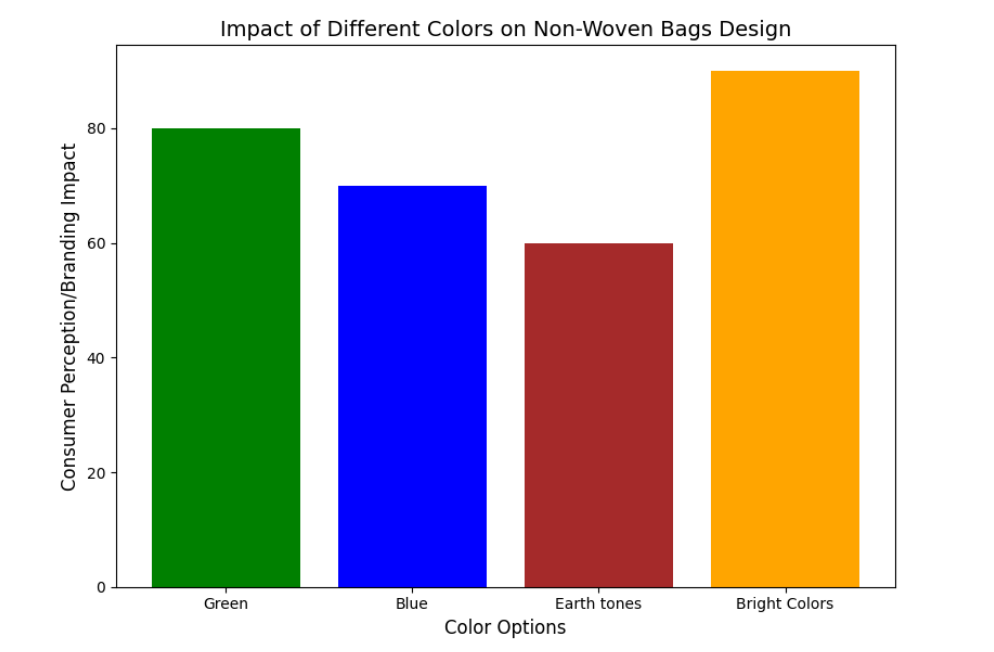
Color plays a crucial role in branding and consumer perception. The first thing consumers notice about a non-woven bag is its color. The choice of color can set the tone for the entire product and make a lasting impression. For businesses, colors can evoke certain emotions and associations. For instance, green often symbolizes eco-friendliness and sustainability, while blue conveys trust and professionalism. Color influences how customers perceive a brand, and the right choice can lead to greater brand recognition and consumer loyalty.
Additionally, color selection can enhance the functional aspect of non-woven bags. Bright colors or bold contrasts may make bags more visible and attention-grabbing, while muted colors may give a more professional or minimalist appearance. This makes choosing the right color a critical decision for any business investing in non-woven bags.
The aesthetic value of color cannot be overstated. Non-woven bags are versatile products that can be customized with a variety of colors, from subtle earth tones to vibrant, bold shades. These bags are used in a wide range of industries, from retail packaging to promotional giveaways, and the right color can significantly enhance their appeal to consumers.
Bright and vivid colors are effective for marketing campaigns that want to catch the eye and make a statement, while neutral tones like beige, black, or white offer a more refined and elegant look. The combination of these colors with logos, patterns, and other design elements can create an aesthetically pleasing, functional product that serves both as packaging and a branding tool.
Color also plays a role in communicating sustainability. Non-woven bags are widely regarded as an environmentally friendly packaging solution, and choosing the right color can reinforce that message. Green, for example, is universally associated with nature and sustainability, making it an ideal choice for eco-conscious businesses.
Earth tones like brown and tan evoke a sense of organic, environmentally friendly practices, while blue can symbolize clean oceans and a commitment to preserving the planet. By selecting colors that align with their sustainability goals, businesses can further demonstrate their commitment to reducing environmental impact through non-woven bag design.
Color | Association | Impact on Brand | Eco-Friendly Message |
Green | Sustainability, Nature | Emphasizes eco-conscious branding | Strong eco-friendly message |
Blue | Trust, Calmness | Conveys reliability and trust | Aligns with environmental themes |
Earth Tones | Grounded, Organic | Suggests a connection to nature | Promotes sustainability |
Bright Colors | Energy, Youthful Vibe | Appeals to vibrant, youthful markets | Less directly tied to eco-initiatives |
Selecting the right color for non-woven bags requires more than just aesthetic consideration. Several factors should guide the decision-making process:
● Brand Identity: Ensure the color aligns with the brand's established color palette.
● Target Audience: Different colors appeal to different demographics. Bright, bold colors may attract younger consumers, while classic colors may appeal to a more mature audience.
● Purpose of the Bag: The function of the bag can influence color choices. Promotional giveaways may call for vibrant colors, while packaging for luxury products may require more subtle, elegant tones.
● Cultural Significance: Colors carry different meanings across cultures, and it’s essential to understand how a color will be perceived in the target market.
For businesses, aligning color choices with brand identity is essential for creating a cohesive look across products. Non-woven bags can be customized with a variety of colors, but it’s important to stay consistent with the brand’s established color scheme.
For example, a brand that uses a bold, vibrant red in its logo may choose a red non-woven bag with a matching logo print. Consistency across all brand materials, from packaging to promotional items, helps reinforce the brand’s message and ensures that customers immediately recognize the product as part of a larger brand experience.
In addition to aesthetics, color plays a role in the durability and longevity of non-woven bags. Darker colors like navy blue or charcoal gray tend to show dirt and stains less than lighter shades, making them more practical for long-term use. For businesses looking to create bags that last longer while maintaining a clean appearance, darker colors may be more appropriate.
Moreover, the intensity of the color can affect how well it retains its appearance over time. Colors that are too bright or highly saturated may fade more quickly with repeated exposure to sunlight and washing. On the other hand, colors that are more subdued, such as pastels or neutrals, may maintain their vibrancy for a longer period.
For brands that require precise color matching, the Pantone Matching System (PMS) is an invaluable tool. PMS ensures that the colors used in non-woven bags match exactly with the brand's color specifications. Using PMS colors helps businesses maintain consistency across different production batches, especially when producing large quantities of non-woven bags.
Color accuracy is crucial, as a mismatch in color can lead to a lack of brand recognition and diminish the quality of the product. The Pantone system allows manufacturers to create non-woven bags that are perfectly aligned with the brand’s established visual identity, regardless of production location or scale.
There are several methods used to apply color to non-woven bags. Two of the most popular techniques are screen printing and heat transfer printing.
● Screen Printing: This method involves pressing ink through a mesh screen onto the fabric, allowing for vibrant, durable prints. It’s best for simple designs with bold colors and works well for large quantities.
● Heat Transfer Printing: This method uses heat to transfer pre-printed designs onto the non-woven bag. It’s ideal for complex designs and multi-color prints. However, it can be more expensive than screen printing, especially for smaller quantities.
Both methods offer distinct advantages, and the choice of technique should depend on the design’s complexity, the number of colors involved, and the order quantity.
Printing Method | Pros | Cons | Best For |
Screen Printing | Cost-effective, durable | Limited to simple designs | Bulk production, bold designs |
Heat Transfer | High detail, vibrant colors | Higher cost, less durable over time | Intricate, multi-colored designs |
Digital Printing | Allows high detail and customization | Expensive, slower production | Small runs, custom logos or artwork |
As sustainability continues to be a key concern for consumers and businesses alike, many non-woven bag manufacturers are shifting toward the use of eco-friendly dyes. Water-based dyes and natural colorants are being used to minimize the environmental impact of the dyeing process.
Sustainable colorants not only reduce harmful chemical usage but also ensure that the bags can be fully recycled at the end of their life cycle. For businesses seeking to emphasize their commitment to sustainability, opting for eco-friendly dyes is a crucial step in producing responsible non-woven bags.
Type of Dye | Eco-Friendly Features | Impact on Sustainability | Common Use |
Water-Based Dyes | Non-toxic, biodegradable | Reduces environmental impact | General use in eco-conscious products |
Soy-Based Dyes | Made from renewable resources | Reduces chemical waste | Used in high-end eco bags |
Vegetable Dyes | Plant-based, non-polluting | Minimal environmental footprint | Popular for organic branding |
Non-woven bags are often made from recycled polypropylene (rPP), which can affect the color options available. Recycled materials may have slight color variations due to the source material’s prior use, which can lead to subtle differences in the final product’s color.
While this may limit some color options, it also reinforces the sustainability aspect of non-woven bags. Brands committed to eco-friendly practices can highlight their use of recycled materials in their messaging, which resonates with consumers who are focused on reducing waste and promoting sustainability.
Some color combinations are timeless, while others are more trend-driven. Currently, there is a strong focus on earthy tones, such as green, brown, and beige, which align with the eco-friendly nature of non-woven bags. These colors evoke a sense of nature and sustainability.
Bold contrasts like black and white or red and yellow are also popular for creating eye-catching designs, especially in promotional contexts. Businesses looking to stand out at trade shows or in retail environments may opt for these high-contrast designs.
For businesses looking to make a bold statement, multi-color designs are a great option. Non-woven bags can be customized with multiple colors, providing the opportunity to create unique and memorable designs.
However, multi-color printing can be more challenging and costly than single-color prints, especially when using methods like screen printing. It requires careful attention to detail and precise execution to ensure that the colors blend seamlessly and the design remains clear.
Color plays a vital role in non-woven bag design, affecting consumer perception and sustainability. Choosing the right color aligns with branding and eco-friendly goals. This enhances the bag's appeal and messaging. As demand for sustainable packaging rises, understanding color's impact is essential for businesses. Wenzhou Huabo Plastic Packaging Machinery Co., Ltd. offers high-quality, customizable non-woven bag solutions that cater to both design aesthetics and environmental needs.
A: Color choices in non-woven bags influence brand perception, sustainability, and consumer interest. Vibrant or nature-inspired colors can communicate eco-friendly values and enhance visual appeal.
A: Colors like green, blue, and earth tones are commonly associated with sustainability. These colors align with eco-friendly messaging in non-woven bags design.
A: Yes, non-woven bags can be fully customized in terms of color to match your brand identity. Consistent color choices help create a strong, recognizable brand image.
A: Different printing methods, such as screen printing or heat transfer, affect the vibrancy and durability of colors. Choosing the right method ensures high-quality color retention on non-woven bags.
A: Yes, many manufacturers use water-based or eco-friendly dyes to minimize environmental impact. These sustainable colorants align with the eco-friendly goals of non-woven bags design.