Views: 0 Author: Site Editor Publish Time: 2026-01-06 Origin: Site


As the environmental impact of single-use plastics becomes clearer, more businesses and consumers are turning to sustainable packaging solutions. Non-woven bags are gaining popularity as an eco-friendly alternative, offering durability and versatility. Unlike plastic bags, non-woven bags are made from materials that help reduce the environmental footprint. In this article, we’ll dive into the sustainable materials used in non-woven bag production and explore how they contribute to greener packaging choices.
Non-woven bags are crafted from fibers bonded together using mechanical, heat, or chemical processes. Unlike traditional woven bags, which are made by interlacing threads, non-woven bags are created by fusing fibers to form a lightweight, durable material. This unique production method gives non-woven bags their versatility and strength, making them ideal for a wide range of applications, from retail packaging to promotional giveaways.
Traditional woven bags rely on a complex interlacing of threads, which makes the production process more time-consuming and energy-intensive. In contrast, non-woven bags use a more efficient method that bonds fibers together, reducing the need for extensive processing. This makes non-woven bags not only more cost-effective but also more environmentally friendly.
Non-woven bags offer several key benefits:
● Durability: These bags are built to withstand repeated use, making them a long-lasting alternative to single-use plastic bags.
● Versatility: They come in various sizes, colors, and designs, and can be used for different purposes, from carrying groceries to promotional materials.
● Recyclability: Many non-woven bags are made from recyclable materials, allowing them to be reused and repurposed, further reducing waste.
Aspect | Non-Woven Bags | Traditional Plastic Bags |
Durability | High (Reusable multiple times) | Low (Single-use) |
Environmental Impact | Eco-friendly, reduces plastic waste | High environmental cost, non-biodegradable |
Recyclability | Yes (made from recycled materials) | Limited recyclability |
Customization | Easy to customize for branding | Limited customization |
Biodegradability | Yes (for plant-based fibers) | No (most are non-biodegradable) |
The sustainability of non-woven bags is largely dependent on the materials used in their production. Several eco-friendly materials are now being incorporated into non-woven bag manufacturing, each offering distinct environmental benefits.
Recycled polypropylene (rPP) is one of the most widely used materials in non-woven bag production. It is made from post-consumer plastic waste, such as used plastic bottles or discarded packaging, which are cleaned, processed, and converted back into a usable form.
Using rPP helps to reduce the amount of plastic waste that ends up in landfills or the ocean. By repurposing plastic materials, manufacturers contribute to minimizing plastic pollution and promoting a circular economy. Additionally, the recycling process consumes less energy compared to producing virgin polypropylene, reducing the overall carbon footprint of the manufacturing process.
Recycled polypropylene maintains much of the durability of virgin polypropylene, ensuring that non-woven bags made from rPP can withstand heavy use. These bags are reusable, and many consumers can use them for years before needing to dispose of them, further contributing to waste reduction.
Recycled polyethylene terephthalate (rPET) is another popular material used in non-woven bag production. rPET is made by recycling plastic bottles, which are cleaned, shredded, and melted down into fibers that can be used to create non-woven fabrics.
The primary source of rPET is post-consumer waste, especially plastic bottles. This helps to address the growing issue of plastic waste and repurposes materials that would otherwise contribute to environmental degradation.
rPET is a great example of the circular economy in action. By reusing plastic bottles and turning them into high-quality non-woven fabrics, the material is kept in circulation rather than being discarded. This not only reduces waste but also conserves resources by reducing the need for new raw materials.
Using rPET helps reduce the carbon footprint associated with plastic production. The process of converting used plastic bottles into rPET fibers uses significantly less energy than producing new plastic materials, which helps lower greenhouse gas emissions.
Plant-based fibers like jute and hemp are gaining popularity in non-woven bag production due to their sustainability and biodegradability. These natural fibers are biodegradable, meaning they break down naturally in the environment without leaving harmful residues.
Jute and hemp are biodegradable, meaning that when they are no longer in use, they decompose without harming the environment. This makes them an excellent alternative to synthetic materials, which can persist in the environment for hundreds of years.
The cultivation of jute and hemp requires minimal use of pesticides and fertilizers, making them less harmful to the environment than other crops. Additionally, these plants grow quickly and require little water, reducing their environmental footprint.
Despite being plant-based, jute and hemp are incredibly strong and durable. This makes them ideal materials for non-woven bags, which must be able to withstand regular use without tearing or degrading.
Bamboo fiber is another sustainable material used in non-woven bag production. Bamboo is a fast-growing plant that requires minimal resources, making it an ideal renewable resource for eco-friendly products.
Bamboo is one of the fastest-growing plants on Earth, and it can be harvested without causing damage to the plant or the surrounding ecosystem. This makes bamboo fiber a highly renewable material that can be used for a variety of sustainable products.
Like other plant-based fibers, bamboo fiber is biodegradable and decomposes naturally in the environment. Additionally, bamboo fiber is strong and durable, making it an excellent choice for non-woven bags.
Bamboo fiber is also known for its softness, making it comfortable to handle. This makes bamboo-based non-woven bags ideal for carrying a variety of items, from groceries to personal belongings.
Organic cotton is grown without the use of harmful pesticides or synthetic fertilizers, making it a sustainable alternative to conventional cotton. It is used in the production of non-woven bags, providing an eco-friendly option for consumers seeking natural materials.
Organic cotton is grown using natural farming methods, which are better for both the environment and workers. This chemical-free approach reduces the exposure to harmful substances, ensuring that organic cotton production has a lower impact on the environment compared to conventional cotton farming.
Organic cotton is a durable material that can withstand repeated use. Non-woven bags made from organic cotton are strong and long-lasting, making them a cost-effective and eco-friendly alternative to traditional bags.
As a natural fiber, organic cotton is biodegradable and can decompose naturally in the environment. This reduces the environmental impact of non-woven bags made from organic cotton when they reach the end of their life cycle.
PLA is a biodegradable plastic derived from renewable resources like corn starch or sugarcane. It is an eco-friendly alternative to traditional plastics and is increasingly being used in non-woven bag production.
PLA is compostable, meaning that it breaks down into natural elements when exposed to the right conditions. This makes PLA-based non-woven bags a more sustainable option compared to conventional plastic bags, which take hundreds of years to decompose.
The production of PLA generates fewer greenhouse gas emissions than traditional plastics. Because it is made from renewable resources, PLA also has a lower carbon footprint compared to petroleum-based plastics.
PLA is a versatile material that can be used to replace traditional plastics in a variety of applications. In non-woven bag production, PLA offers a sustainable alternative without compromising on strength or durability.
The use of sustainable materials in non-woven bags significantly influences the design process. These materials not only contribute to the eco-friendly nature of the bags but also allow for a wide range of design options.
Sustainable materials like recycled PP, rPET, and plant-based fibers can be used to create non-woven bags in a variety of styles and designs. Whether it's a simple tote or a more complex bag with gussets and closures, these materials can be adapted to meet different consumer needs.
Non-woven bags made from sustainable materials like organic cotton or bamboo fiber are strong and durable. This ensures that the bags are functional and can carry a variety of items without breaking or tearing. The strength of these materials makes them ideal for long-term use.
Non-woven bags made from sustainable materials are also an excellent way for businesses to promote their brand while demonstrating their commitment to sustainability. Customizable options allow businesses to incorporate logos, slogans, and other branding elements on the bags, making them a powerful marketing tool.
Design Feature | Description | Example Use |
Material Type | Selection of sustainable materials | Recycled PP, Jute, Bamboo Fiber |
Size Options | Custom sizes available | Grocery bags, tote bags, promotional bags |
Color Options | Wide range of colors and printing | Custom branding, event giveaways |
Handle Types | D-cut, W/U-cut, loop handle, zipper closure | Versatile for carrying different items |
Printing Methods | Silk-screen, heat transfer, digital printing | Logo, slogan, brand designs |
The move towards sustainable materials in non-woven bag production plays a vital role in reducing packaging's environmental footprint. Materials like recycled polypropylene, rPET, jute, hemp, bamboo fiber, organic cotton, and PLA help create durable, eco-friendly products. With growing consumer demand for sustainability, non-woven bags are set to evolve with innovative materials and designs. Companies like Wenzhou Huabo Plastic Packaging Machinery Co., Ltd. offer valuable solutions, providing machinery that supports sustainable production practices for a greener future.
A: Non-woven bags are made from sustainable materials such as recycled polypropylene, rPET, jute, hemp, bamboo fiber, organic cotton, and PLA. These materials make non-woven bags durable, eco-friendly, and suitable for various designs and uses.
A: Non-woven bags are considered eco-friendly because they use sustainable materials like recycled polypropylene and rPET, which reduce plastic waste and lower carbon footprints. These bags are also reusable and recyclable, contributing to waste reduction.
A: Non-woven bags design utilizes sustainable materials, making them a key factor in reducing environmental impact. Bags made from plant-based fibers or recycled materials are not only functional but also help promote eco-conscious choices.
A: Some non-woven bags made from plant-based materials like organic cotton or bamboo fiber are biodegradable. However, non-woven bags made from polypropylene or rPET are recyclable but not biodegradable.
A: Non-woven bags are highly durable due to their strong fibers, such as those made from recycled polypropylene. These bags can withstand heavy use and are designed for long-lasting performance compared to single-use plastic bags.
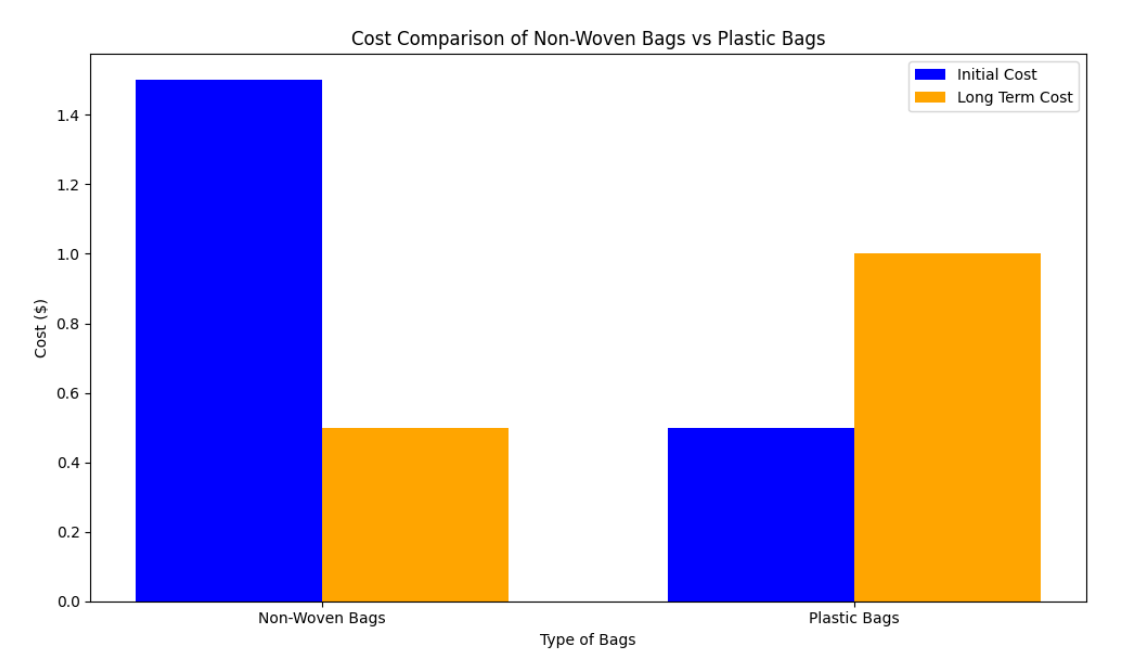
A: While non-woven bags may have a higher initial cost than plastic bags, they are more durable and reusable. Over time, their long lifespan and eco-friendly benefits make them more cost-effective in comparison.
A: Using sustainable materials like recycled polypropylene or organic cotton in non-woven bags production helps reduce the environmental impact. These materials ensure that the production process is eco-friendly while maintaining the quality and strength of the bags.
A: Yes, non-woven bags can be easily customized with logos, colors, and designs, making them a popular choice for branding and promotional purposes. Sustainable non-woven bags offer businesses an eco-friendly way to engage customers.