Views: 0 Author: Site Editor Publish Time: 2025-11-13 Origin: Site


With plastic bags being banned globally, nonwoven bags have emerged as an eco-friendly solution. Are you ready to tap into this growing market? Starting a nonwoven bag production line offers a profitable business opportunity. In this guide, we'll walk you through the essential steps, from choosing the right Non Woven Bag Making Machine to setting up your production line efficiently.
Non Woven Bag Making Machine: The heart of your production line, ensuring efficiency and quality.
Raw Materials: Primarily polypropylene (PP), polyester, and other eco-friendly fibers.
Skilled Labor: Operators for machine handling, quality control, and packaging.
Production Space: Adequate space for equipment and storage.
Before you begin setting up your production line, it's essential to understand the market demand for nonwoven bags. Research local businesses, retailers, and industries that may require nonwoven bags, such as fashion stores, supermarkets, and hospitals. Also, determine the types of bags most in demand—box bag, handle bag, d-cut bag , t shirt bag and shoe bag. Understanding your market will guide your production line setup, ensuring you produce bags that meet demand.
Decide on the scale of your production. A small setup may require fewer machines, while a large factory will need fully automated machines. If you're starting with a smaller budget, semi-automatic Non Woven Bag Making Machines are a cost-effective option. Start small, and as demand grows, consider scaling up with automated machines for greater efficiency.
To build your production line, you need the right machinery. There are two primary types of nonwoven bag making machines:
Semi-Automatic Machines: These machines are suitable for small operations. They require more manual labor but are easy to operate and maintain.
Fully Automatic Machines: Ideal for larger operations, these machines offer high-speed production, reduce labor costs, and can produce various bag types with minimal intervention.
Choose machines that can handle different types of bags (e.g., box bag, handle bag, d-cut bag , t shirt bag and shoe bag) to diversify your product offerings.
When purchasing a Non Woven Bag Making Machine, focus on the following features:
Production Capacity: Machines with higher capacities (e.g., 120 bags per minute) are ideal for large-scale production.
Automation Level: Fully automated machines minimize manual labor and downtime.
Machine Durability: Ensure the machine can handle long production runs without frequent breakdowns.
Opt for machines from trusted brands with strong customer service and warranty support.
The location of your production unit is crucial for minimizing costs and maximizing efficiency. Look for a site close to raw material suppliers and with easy access to transportation routes for shipping finished products. Ensure the facility has the necessary utilities—electricity, water, and a stable internet connection. A location near suppliers and key markets helps cut transportation costs, boosting your overall profitability.
Plan your factory layout carefully. Allocate space for machinery, raw material storage, finished product storage, and packing areas. Design your production line for smooth workflow, minimizing downtime between processes. Keep the production line layout simple and efficient, ensuring minimal movement between stages of the manufacturing process.
The primary raw material for nonwoven bags is polypropylene (PP). This material is durable, water-resistant, and easy to recycle. Other materials, such as polyester and nylon, may also be used, depending on the desired bag strength and market requirements. Always opt for 100% virgin polypropylene for superior strength and recyclability.
Establish relationships with reputable suppliers for your raw materials. Compare prices, quality, and delivery terms to ensure you get the best deal. Long-term supplier partnerships can help reduce costs over time and ensure consistent quality. Source raw materials in bulk to save on costs and ensure a steady supply for your production line.
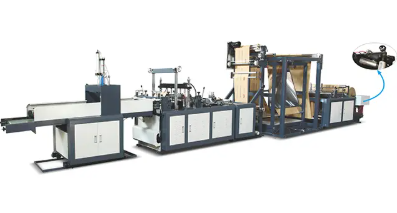
The first stage of the production process involves melting the polypropylene granules to form fibers. These fibers are then bonded together using the spunbond or meltblown technique, creating a nonwoven fabric. The fabric is then cut into the required shapes and sizes for bag production. Use high-quality machines to ensure precise cutting, which minimizes waste and ensures consistent product size.
If you're offering branded or customized bags, the next step is printing. Non-woven printing machines can print logos, designs, or promotional messages on the fabric. Screen printing and flexographic printing are commonly used for nonwoven bags. Choose machines that can handle multi-color printing for vibrant, high-quality designs.
After printing, the fabric pieces are sewn or heat-sealed to form the bag. Handles are attached, and the bag's bottom is sealed to create a durable, functional product. Quality control checks are performed at every stage to ensure each bag meets your standards. Heat-sealing is a faster and more durable method than stitching, providing a clean, strong finish.
Maintaining consistent quality is crucial to customer satisfaction. Implement routine checks for fabric strength, seam quality, and print clarity. Establish quality control standards for each stage of production. Investing in automatic machines with built-in quality sensors can reduce human error and improve product consistency.
Once the bags are produced, they are packed in bulk for shipment. Efficient packaging ensures that the bags reach customers without damage. Consider eco-friendly packaging options to align with your brand's commitment to sustainability. Use compact packaging to minimize storage space and reduce shipping costs.
Nonwoven bags are eco-friendly, making them an attractive choice for consumers concerned about the environment. Emphasize the sustainability of your products in your marketing materials. Offer customizable options to cater to businesses looking for branded bags for promotions or events.
Explore various sales channels such as retail partnerships, e-commerce platforms, and direct B2B sales. Consider offering bulk discounts to attract large customers, such as supermarkets or hospitals. Attend trade fairs and eco-friendly events to showcase your products and network with potential buyers.
Starting a Non Woven Bag Making Machine production line offers great potential for success. By selecting the right machinery, like those from Huabo Machinery, sourcing quality materials, and focusing on efficient production, you can tap into the booming market for eco-friendly products. With proper planning and innovation, your business will thrive in the growing demand for nonwoven bags. Stay updated with industry trends to maintain your competitive edge.
A: A Non Woven Bag Making Machine is equipment used to produce nonwoven bags from polypropylene or polyester fibers. It automates processes like cutting, printing, and sealing, making production faster and more efficient.
A: Setting up a nonwoven bag production line involves choosing the right machines, sourcing quality materials, and ensuring a smooth workflow. Follow a non woven bag production line setup guide for detailed steps.
A: Non Woven Bag Making Machines offer high production speeds, low labor costs, and flexibility in bag types. They improve consistency and reduce operational downtime.