Views: 0 Author: Site Editor Publish Time: 2025-11-13 Origin: Site


The global push for sustainability is reshaping packaging. Nonwoven bags are now replacing plastic bags worldwide. Driven by environmental, economic, and market forces, this change is transforming industries.
In this article, we'll explore why nonwoven bags are gaining traction. You'll learn about the key benefits, growth drivers, and the role of Non Woven Bag Making Machines in this shift.
Nonwoven bags are eco-friendly, reusable bags made from polypropylene (PP) or other fibers bonded together using mechanical, thermal, or chemical processes. Unlike woven bags, nonwoven fabrics do not require traditional weaving techniques. This results in a lightweight yet durable material ideal for carrying heavy loads, and more importantly, reusable and recyclable.
The versatility of nonwoven bags has made them the preferred choice in various industries, particularly retail and packaging. Unlike plastic bags, which are typically single-use, nonwoven bags offer long-term value with multiple uses.
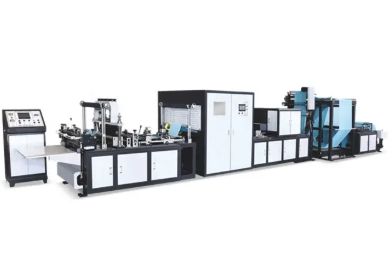
At the heart of nonwoven bag production lies the Non Woven Bag Making Machine, an essential piece of equipment that enables mass production of nonwoven bags. These machines significantly increase production efficiency, lower costs, and provide flexibility in manufacturing various bag styles, sizes, and designs. They also ensure the consistency and quality of each bag produced, making it easier for businesses to meet the increasing demand for sustainable packaging solutions.
The integration of automated machinery has reduced the reliance on manual labor, increased production speeds, and improved the scalability of nonwoven bag manufacturing. This has made nonwoven bags a more viable option for businesses aiming to meet consumer demand while adhering to sustainability goals.
The manufacturing process of nonwoven bags involves less waste compared to traditional plastic bag production. The use of Non Woven Bag Making Machines also reduces energy consumption, as the technology behind these machines is optimized for efficiency. Furthermore, the materials used are often recyclable, and the ability to reuse these bags multiple times reduces the overall environmental footprint.
One of the primary advantages of nonwoven bags over plastic bags is their reusability. Unlike plastic bags, which are typically used once and discarded, nonwoven bags are designed to be reused multiple times. Whether used for grocery shopping, as promotional items, or for general storage, nonwoven bags help reduce the overall consumption of plastic, thus contributing to the fight against plastic pollution.
Consumers are increasingly aware of the environmental costs of single-use plastics, and the shift toward nonwoven bags is a direct response to this growing consciousness. Many governments have imposed bans or taxes on plastic bags, further accelerating the transition toward more sustainable alternatives like nonwoven bags.
Nonwoven bags made from polypropylene are recyclable, which significantly reduces their environmental impact compared to plastic bags, which often end up in landfills or oceans. While nonwoven polypropylene is not biodegradable, it can be recycled into new products, such as bins, furniture, or packaging materials. This recycling process prevents waste and promotes a circular economy.
In regions with the right infrastructure, nonwoven bags can be processed and reused, reducing the need for new plastic production. By opting for nonwoven bags, consumers and businesses help minimize the amount of plastic waste that contributes to pollution.
The production of nonwoven bags also contributes to a lower carbon footprint compared to plastic bags. The energy required for manufacturing nonwoven bags is lower, and because they are reusable, their carbon emissions are spread over many uses, significantly reducing the overall environmental impact. Nonwoven bags also require less energy to produce compared to traditional woven fabrics.
The adoption of nonwoven bags is a key step in reducing the carbon emissions associated with packaging. For businesses aiming to reduce their environmental footprint, making the switch to nonwoven bags presents an easy yet effective solution.
While the upfront cost of nonwoven bags may be higher than plastic bags, they offer long-term savings. Nonwoven bags are designed to be durable and can last for multiple uses, whereas plastic bags are generally single-use and need to be replaced often. Over time, the cost per use of nonwoven bags becomes much lower than plastic bags, making them a more cost-effective solution for businesses.
Nonwoven bags also provide businesses with an opportunity to market themselves as sustainable brands, aligning with consumer preferences for eco-friendly products. With lower long-term costs and the added value of enhancing brand image, nonwoven bags present a smart investment.
Nonwoven bags offer excellent branding opportunities. Their smooth, durable surfaces are ideal for printing logos, slogans, and other promotional messages. Unlike plastic bags, which often tear or lose their shape after a few uses, nonwoven bags maintain their form and appearance, making them a more effective marketing tool. Businesses can use nonwoven bags to promote their brand while contributing to environmental sustainability. Customizable nonwoven bags are a powerful marketing tool, offering businesses a unique opportunity to enhance brand visibility and reinforce eco-conscious values.
With the increasing number of regulations aimed at reducing plastic waste, nonwoven bags offer a sustainable alternative that helps businesses comply with environmental laws. Many regions have introduced taxes, bans, or restrictions on plastic bags, making nonwoven bags a necessary alternative for businesses that want to avoid penalties. Additionally, consumer preferences are shifting towards brands that prioritize sustainability. By offering nonwoven bags, businesses can cater to the growing demand for eco-friendly products and strengthen customer loyalty.
The global market for nonwoven bags is experiencing significant growth, driven by the increasing demand for eco-friendly packaging solutions. As countries and regions introduce regulations to limit plastic use, businesses are turning to nonwoven bags as a cost-effective and sustainable alternative.
The nonwoven bags market growth drivers include government policies, consumer awareness, and the rise of sustainable fashion and retail. These factors are creating a perfect storm for the expansion of nonwoven bags, and manufacturers are scaling up production to meet the demand.
Nonwoven bags have found widespread adoption across industries. In the retail sector, they are commonly used for shopping bags, while in the fashion industry, they are increasingly used for packaging and promotional purposes. The hospitality and food industries also favor nonwoven bags due to their durability and reusability. As businesses in various industries recognize the long-term value of nonwoven bags, adoption continues to rise, making them a staple in packaging solutions.
Looking forward, the demand for nonwoven bags is expected to continue growing. As technology advances, the production of nonwoven bags becomes even more efficient, allowing for more widespread adoption across global markets. The ability to customize nonwoven bags also makes them an attractive option for businesses looking to enhance their branding while supporting sustainability.Nonwoven bags are poised to become a dominant force in the global packaging market, driven by advancements in manufacturing, growing regulatory support, and a strong consumer demand for eco-friendly products.
Nonwoven bags are replacing plastic bags in global markets, driven by their environmental advantages, cost-effectiveness, and increasing consumer demand for sustainable products. The adoption of Non Woven Bag Making Machines has streamlined production, making it scalable and efficient for businesses to meet eco-friendly packaging demands.
Switching to nonwoven bags helps businesses align with sustainability goals, reduce environmental impact, and enhance their market position. As the global shift to sustainable packaging grows, nonwoven bags lead the way. Huabo Machinery provides high-quality machinery to meet these evolving needs. Their machines offer valuable solutions for businesses aiming to transition to sustainable packaging.
A: Nonwoven bags are eco-friendly alternatives made from polypropylene or other fibers. They are replacing plastic bags due to their durability, reusability, and lower environmental impact.
A: A Non Woven Bag Making Machine enhances efficiency, scalability, and cost-effectiveness in producing nonwoven bags, meeting the growing demand for sustainable packaging solutions.
A: Key drivers include rising consumer demand for sustainable products, government regulations against plastic waste, and the efficiency of modern manufacturing, including Non Woven Bag Making Machines.